Avoid Common Hygiene Mistakes at Home for Better Health
How to Avoid Common Hygiene Mistakes at Home
In today’s fast-paced world, maintaining good hygiene at home is not just a matter of aesthetics; it significantly impacts our health and wellbeing. Even if you feel you have a solid routine, it’s all too easy to slip into common hygiene mistakes. In 2025, as we navigate a post-pandemic world, becoming aware of these pitfalls is even more important. With heightened health consciousness and the ongoing effects of global health concerns, understanding proper hygiene is essential for creating a healthier environment at home.
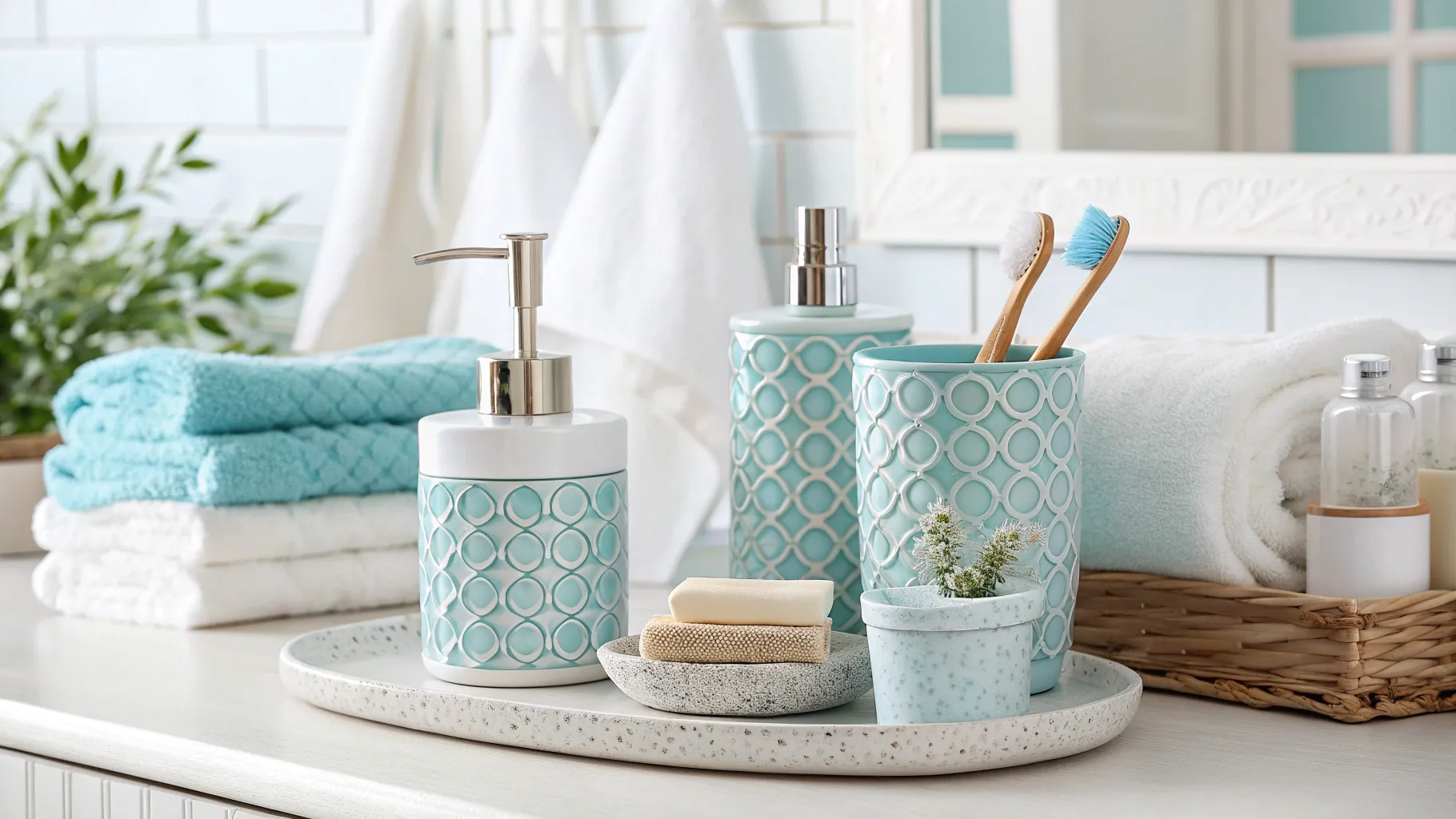
Personal Hygiene Mistakes Everyone Makes
Personal hygiene includes a variety of daily habits that play a vital role in our health, yet many of us unknowingly compromise our routines. Here are several prevalent personal hygiene mistakes to be mindful of:
- Insufficient Hand Washing: The COVID-19 pandemic taught us the importance of hand hygiene, yet many continue to fall short. Studies show that nearly 30% of people wash their hands for less than the recommended 20 seconds, often skipping soap altogether. Thumb through the latest stats from 2025—improper hand hygiene still ranks as a leading cause of illness.
- Rushing Through Dental Care: Dental hygiene is another area where many cut corners. A major report revealed that over 40% of adults brush their teeth for less than two minutes. Additionally, many forget to upgrade their toothbrushes every three months, increasing the risk for gum disease and cavities.
- Neglecting Body Hygiene: With the warmth of summer months, failing to shower regularly can lead to an uncomfortable body odor and skin problems. Individuals in warmer climates or those living active lifestyles should adapt their showering frequency accordingly.
Common Hygiene Mistakes People May Overlook
Daily hygiene practices encompass numerous small details that can significantly influence our overall health. Here are a few hygiene mistakes that many commit unwittingly:
- Wearing Unwashed Clothes: A significant number of people wear clothing that hasn't been washed after exercising. This habit fosters an environment where bacteria can thrive, leading to skin irritations and foul smells.
- Neglecting Nail Hygiene: Nail care often falls off the radar for many individuals. With dirty and untrimming nails, dirt and germs can accumulate, heightening the risk of infections. Regular nail care is essential, yet frequently ignored.
- Using Shared Towels: Whether in a family setting or a communal space, sharing towels can inadvertently lead to the spread of infections. Each individual should have personal towels to maintain optimal hygiene.
Five Essential Personal Hygiene Rules
To help you avoid common pitfalls, it’s crucial to keep basic personal hygiene rules in mind. Here are five essential rules that we should regularly practice in our daily lives:
- Wash Your Hands Regularly: Frequent hand washing remains a fundamental defense against many illnesses. Using soap and water for a minimum of 20 seconds, particularly after using the restroom and before handling food, is key in preventing the spread of germs.
- Brush and Floss Daily: Maintaining a consistent dental routine cannot be overstated. Brushing twice and flossing at least once each day helps combat cavities and gum disease, critical for one's long-term oral health.
- Shower Daily or When Necessary: Personal hygiene varies by lifestyle. Regular showers not only help manage sweat and odor but also maintain healthy skin by removing dead skin cells and bacteria.
- Prioritize Clean Clothes: It’s essential to change out of sweaty workout gear promptly to prevent skin irritation. Washing clothes regularly is vital, especially after physical activity.
- Choose Safe Personal Care Products: Pay close attention to the products you use on your body. Opt for hypoallergenic and non-comedogenic items, especially if you have sensitive skin or are prone to allergies. In 2025, many brands are becoming more transparent about their ingredients, making it easier to make informed decisions.
Unique Female Hygiene Mistakes
Women face specific hygiene challenges that may often go unaddressed. To promote optimal feminine health, here are common hygiene mistakes to avoid:
- Overuse of Scented Feminine Products: Some women frequently rely on douches or heavily scented feminine care items, which can disrupt natural pH levels and lead to infections. It’s important to let the body maintain its natural balance.
- Missing Regular Gynecological Check-Ups: Regular check-ups are an integral part of maintaining female reproductive health. Skipping these appointments can result in undetected issues that may be crucial to address.
- Improper Underwear Selection: Wearing tight or non-breathable underwear can create an environment conducive to bacterial growth. Opting for breathable cotton is often a healthier choice.
By staying informed about proper hygiene practices and making a conscious effort to avoid these mistakes, we can significantly reduce health risks. It’s not just about personal health; better hygiene practices can benefit everyone we come in contact with. This proactive approach can lead to improved overall health and well-being.
Remember that hygiene practices should be adapted based on current knowledge and changes in health guidelines. Regularly updating our understanding and practices surrounding hygiene will not only enhance our quality of life but also contribute positively to the community around us. Let’s make a collective effort to recognize and improve our hygiene habits in 2025 for a healthier environment.
Authored by 24Trendz team