Advanced Laser Resurfacing for Facial Scars: A Comprehensive Treatment Guide
Facts:
- Laser resurfacing significantly reduces scar visibility and improves skin texture.
- Fractional laser technology is a leading trend for acne scar removal among dermatology patients.
Understanding the Science Behind Laser Resurfacing for Facial Scars
Navigating the journey to clearer skin after experiencing facial scars can be challenging, but advancements in dermatological technology offer powerful solutions. Among these, laser resurfacing stands out as a highly effective treatment, capable of dramatically improving the texture, tone, and overall appearance of scarred skin. This comprehensive guide will delve into the intricacies of how this innovative procedure works, exploring its benefits, types, and what patients can expect throughout the treatment process, providing a path towards significant skin rejuvenation. It's a precise method designed to target and diminish the appearance of various types of scars, from post-surgical marks to those left by severe acne, ultimately fostering a smoother, more even complexion.
The Mechanism of Laser Resurfacing: How it Transforms Scarred Skin
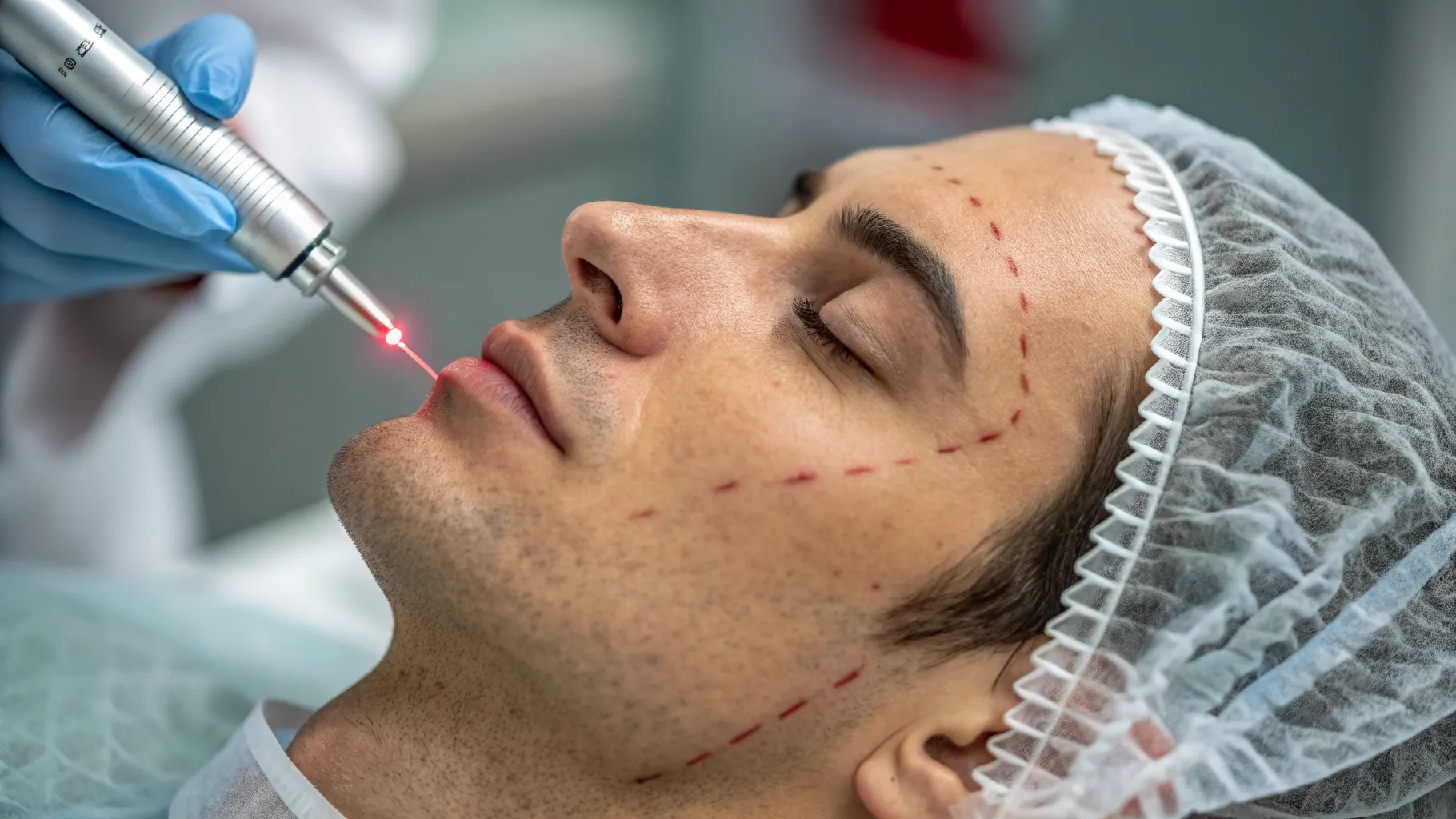
Laser resurfacing works by precisely targeting and removing damaged outer layers of skin, or by heating the underlying dermis, without harming the surface, to stimulate new collagen production. Ablative lasers vaporize the top layer of skin, allowing new, healthier skin cells to form during the healing process. This precise removal helps to smooth out uneven scar tissue and promote a more uniform skin texture. Non-ablative lasers, on the other hand, penetrate the skin's surface to heat the collagen beneath, prompting a healing response that leads to natural **skin rejuvenation** over time. Both methods rely on the body's natural healing capabilities to replace scar tissue with fresh, unblemished skin, making them incredibly effective for various forms of facial scar treatment.
Types of Laser Resurfacing Technologies for Effective Facial Scar Treatment
When considering laser resurfacing for **facial scars**, it's crucial to understand the different technologies available. CO2 lasers are ablative and are considered the gold standard for deeper, more severe scars. They deliver intense energy to vaporize thin layers of skin, resulting in significant textural improvement but also requiring a longer recovery period. Erbium YAG lasers are also ablative but are gentler, offering a more superficial treatment suitable for fine lines and less pronounced scars, with a quicker healing time. Perhaps the most revolutionary advancement is **fractional laser** technology, which applies laser energy in microscopic columns, leaving untouched skin around each treated area. This allows for rapid healing while still effectively targeting scar tissue and stimulating collagen for remarkable **acne scar removal** and overall **skin rejuvenation**. This 'fractional' approach greatly reduces downtime compared to traditional ablative lasers.
The Laser Resurfacing Journey: Consultation to Recovery for Acne Scar Removal
The journey to smoother skin with laser resurfacing begins with a thorough consultation. Your dermatologist will assess your **facial scars**, evaluate your skin type, medical history, and discuss your aesthetic goals to determine the most appropriate **laser resurfacing** type. During the procedure, the skin will be thoroughly cleansed, and a topical anesthetic may be applied to minimize discomfort, or local/general anesthesia may be used for more intensive treatments. The laser device is then carefully passed over the scarred areas. Post-treatment, proper care is paramount. Patients can expect redness, swelling, and potentially crusting or peeling, which varies based on the laser intensity. Strict adherence to post-care instructions, including gentle cleansing, moisturizing, and diligent sun protection, is critical for preventing complications and ensuring the best possible outcome for your **acne scar removal** and long-term **skin rejuvenation**.
Comparing Laser Resurfacing with Alternative Facial Scar Treatment Methods
While various methods exist for addressing **facial scars**, laser resurfacing often stands out due to its precision and efficacy, particularly for textural irregularities. Topical creams and serums typically offer minimal improvement for deeper scars, primarily working on surface discoloration. Micro-needling, a popular alternative, creates tiny punctures in the skin to stimulate collagen, but it often requires more sessions and may not achieve the same depth of remodeling as advanced **laser resurfacing**. Chemical peels can improve skin texture and reduce superficial scars, but their depth and precision can be less controllable than laser energy. Dermal fillers can temporarily elevate depressed scars but do not address the underlying skin texture. For significant and lasting **acne scar removal** and comprehensive **skin rejuvenation**, especially for atrophic or hypertrophic scars, **laser resurfacing** offers a superior, targeted approach that encourages genuine skin reconstruction.
Optimizing Outcomes: Pre- and Post-Care for Lasting Skin Rejuvenation
- Pre-Treatment Preparation: Discontinue retinoids and certain medications as advised by your physician, usually for at least two weeks prior to your appointment. Avoid any sun exposure for several weeks leading up to your laser resurfacing session to prevent complications such as hyperpigmentation and ensure your skin is in optimal condition for effective facial scar treatment.
- Immediate Post-Treatment Care: Keep the treated area moist with prescribed occlusive ointments or specialized dressings to aid healing and minimize crust formation. Avoid picking, scratching, or scrubbing the skin, which can impede the healing process and potentially lead to new scarring. Gentle cleansing with a mild, non-irritating cleanser is crucial.
- Sun Protection is Paramount: Use a broad-spectrum sunscreen with an SPF of 30 or higher daily, even on cloudy days, and wear wide-brimmed hats when outdoors. Newly resurfaced skin is extremely vulnerable to UV damage, which can lead to post-inflammatory hyperpigmentation and compromise the long-term benefits of your acne scar removal.
- Hydration and Nutrition: Maintain a healthy, balanced diet rich in vitamins and antioxidants, and stay adequately hydrated. These lifestyle factors support your body’s natural healing processes and optimize collagen production, crucial for sustained skin rejuvenation after laser resurfacing.
- Patience and Follow-Up: Understand that the full results of facial scar treatment will appear gradually as collagen remodels, often over several months. Attend all scheduled follow-up appointments with your dermatologist to monitor progress, address any concerns, and discuss potential touch-up sessions. Multiple treatments are frequently necessary to achieve the most significant and lasting **skin rejuvenation**.
Frequently Asked Questions
Is laser resurfacing painful?
While the procedure can cause some discomfort, topical anesthetics are commonly used to numb the skin, making the experience tolerable. Many patients describe the sensation as a rubber band snapping against the skin or a prickly heat during the treatment. Post-procedure, there might be a feeling similar to a severe sunburn, which can be managed with prescribed pain relief and cooling compresses, ensuring your facial scar treatment is as comfortable as possible.
How many sessions of facial scar treatment are typically needed?
The number of laser resurfacing sessions required depends largely on the severity and type of scars, the specific laser technology employed (ablative, non-ablative, or **fractional laser**), and individual healing responses. For significant acne scar removal or deeper scars, multiple sessions—often ranging from 2 to 5, spaced several weeks or months apart—are usually recommended to achieve optimal **skin rejuvenation**. Your dermatologist will formulate a personalized treatment plan during your consultation.
What is the recovery time for acne scar removal with lasers?
Recovery time from **laser resurfacing** for **acne scar removal** varies significantly based on the intensity and type of laser used. Ablative lasers typically involve 1-2 weeks of significant downtime, characterized by redness, swelling, and peeling, followed by persistent redness for several weeks. Non-ablative or **fractional laser** treatments usually have shorter downtimes, ranging from a few days to a week of mild redness and swelling. Complete **skin rejuvenation** and full resolution of redness can take several months, highlighting the importance of patience.
Are the results of skin rejuvenation from laser treatment permanent?
The improvements from laser resurfacing for **facial scars** are generally considered long-lasting because the procedure stimulates the body's own collagen production and promotes new, healthier skin growth, which are permanent changes. However, the natural aging process, ongoing sun exposure, and new skin injuries can affect the skin over time. Maintaining a consistent, high-quality skincare regimen and diligent sun protection are crucial for preserving the results of your facial scar treatment for many years to come and ensuring sustained **skin rejuvenation**.
References
- American Academy of Dermatology Association. (n.d.). Acne scars: Diagnosis and treatment.
- Journal of Clinical and Aesthetic Dermatology. (various issues). Studies on laser modalities for scar revision.
- Dermatologic Surgery. (various issues). Research on fractional photothermolysis and ablative laser techniques.
Authored by 24Trendz team