5 Sustainable Choices for Modern Homes: Embracing Sustainable Living
Fast Facts:
- Global demand for sustainable homes is surging.
- Energy efficiency trends for environmentally conscious homeowners.
Pioneering the Future: Essential Sustainable Choices for Modern Homes
Embracing sustainable living is no longer just a trend; it's a necessity for modern homeowners looking to reduce their environmental impact and create healthier living spaces. As we navigate a changing climate, making thoughtful choices in our residences becomes paramount. This guide explores five pivotal sustainable choices that can transform any house into an eco-friendly home, offering long-term benefits for both residents and the planet.
1. Embrace Renewable Energy Sources
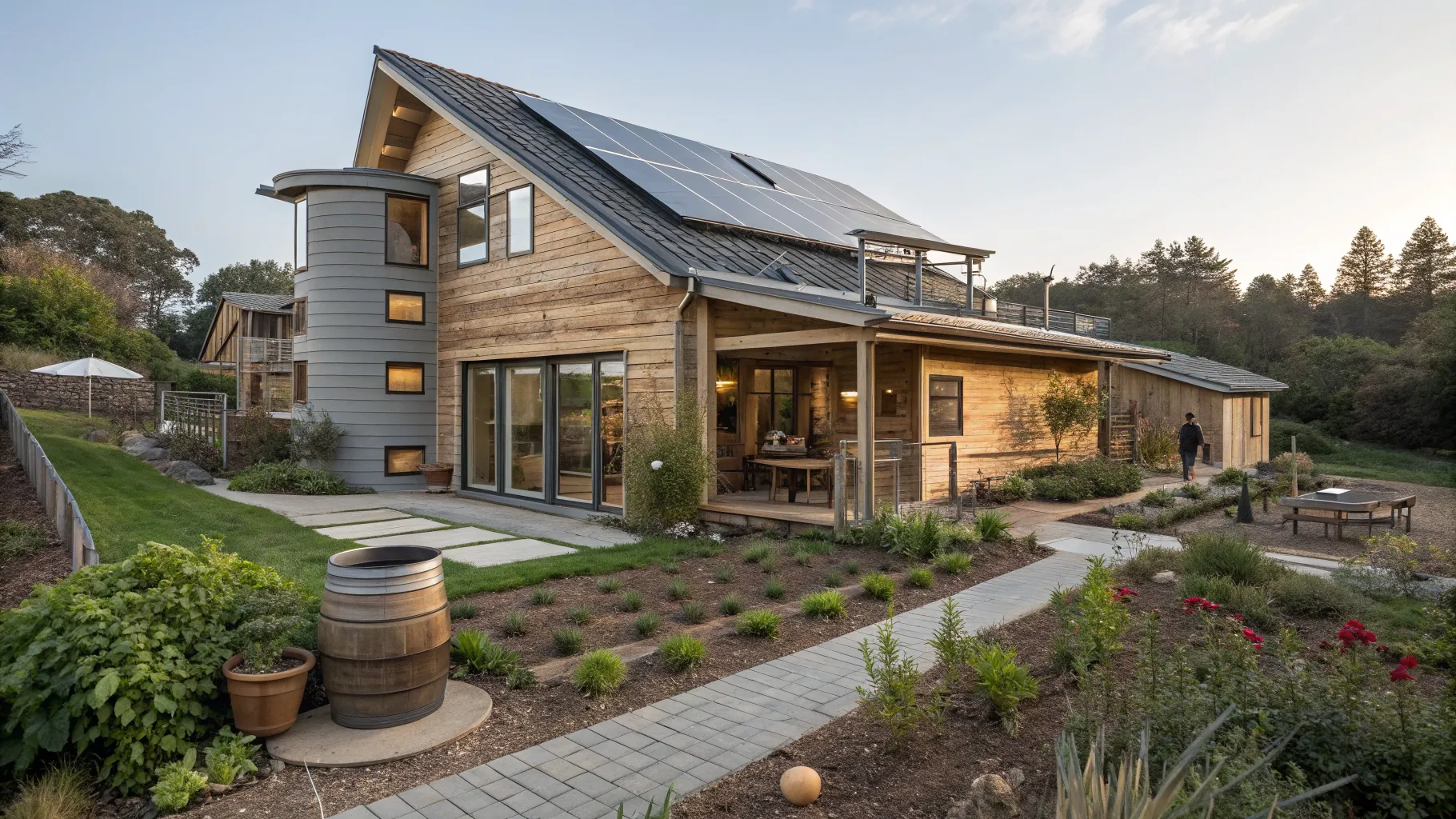
One of the most impactful steps towards an eco-friendly home is the adoption of renewable energy. Solar panels are a prime example, converting sunlight into electricity, significantly reducing reliance on fossil fuels and lowering utility bills. Beyond solar, consider geothermal systems that tap into the earth's stable temperature to provide heating and cooling with remarkable energy efficiency. Wind turbines, while less common for individual homes, are also an option in suitable locations. Investing in these systems not only cuts down your carbon footprint but also increases your home's value and provides a degree of energy independence, a crucial aspect of modern sustainable living.
2. Prioritize Energy-Efficient Appliances and Insulation
Beyond energy generation, reducing consumption is key. Upgrading to high-efficiency appliances (ENERGY STAR certified) for refrigeration, laundry, and cooking can drastically cut energy use. However, even the best appliances can't compensate for poor insulation. High-performance insulation in walls, roofs, and floors prevents heat loss in winter and heat gain in summer, making heating and cooling systems more effective and less demanding. Double or triple-paned windows further enhance thermal performance. These measures directly contribute to overall energy efficiency, making your home more comfortable and significantly reducing operational costs, embodying true principles of sustainable living.
3. Utilize Green Building Materials
The materials used in construction and renovation have a substantial environmental impact. Opting for green building materials means choosing products that are sustainably sourced, have a low embodied energy (energy used in production and transport), and are non-toxic. Examples include reclaimed wood, recycled steel, bamboo flooring, straw bales, and low-VOC (volatile organic compound) paints. These materials often offer superior durability, better indoor air quality, and contribute to the overall health of the home and its occupants. Selecting these sustainable options is a fundamental component of creating an eco-friendly home, demonstrating a commitment to responsible consumption.
4. Implement Smart Water Conservation Strategies
Water scarcity is a growing global concern, making water conservation an essential element of sustainable living. Simple measures like installing low-flow faucets, showerheads, and toilets can dramatically reduce indoor water usage. Rainwater harvesting systems collect and store rainwater for irrigation, flushing toilets, or even non-potable indoor uses, lessening reliance on municipal supplies. Xeriscaping, a landscaping method that reduces or eliminates the need for supplemental water from irrigation, is another powerful strategy for outdoor water conservation. Implementing these strategies transforms a home into a water-wise dwelling, an undeniable characteristic of an eco-friendly home.
5. Design for Natural Light and Ventilation
Harnessing natural elements can significantly reduce the need for artificial lighting and air conditioning. Strategic placement of windows and skylights can flood interiors with daylight, minimizing electricity consumption during the day. Passive ventilation techniques, such as cross-ventilation, stack ventilation, and thermal chimneys, can effectively cool homes without mechanical systems, especially in warmer climates. This approach notsembles only enhances energy efficiency but also creates a more pleasant and healthier indoor environment. Designing with nature in mind is a foundational principle for any truly sustainable living space, fostering comfort and reducing ecological impact.
When comparing different approaches to an eco-friendly home, it's clear that integration is key. While installing solar panels (renewable energy) provides significant power savings, their effectiveness is amplified when paired with robust insulation and energy efficiency measures that reduce overall demand. Similarly, choosing green building materials for construction contributes to a healthier indoor environment, but smart water conservation ensures the home's operational footprint is minimized. A holistic approach to sustainable living means evaluating how each choice complements the others, creating a truly harmonious and environmentally responsible dwelling.
Practical Steps for Your Eco-Friendly Home Transformation
- Conduct an Energy Audit: Start by understanding your current energy consumption. An audit can pinpoint areas of inefficiency, guiding your investments in energy efficiency upgrades like better insulation or new windows.
- Research Local Incentives: Many governments offer tax credits or rebates for installing renewable energy systems (e.g., solar) or for purchasing ENERGY STAR appliances. This can significantly reduce the upfront cost of your sustainable living projects.
- Source Sustainably: When renovating or building, actively seek out suppliers who offer certified green building materials. Ask about their sourcing and manufacturing processes to ensure genuine sustainability.
- Start Small with Water: Begin your water conservation efforts with easy fixes like low-flow fixtures. Gradually explore larger projects like rainwater harvesting as your commitment to an eco-friendly home grows.
- Educate Yourself: Continuously learn about new sustainable technologies and practices. The field of sustainable living is constantly evolving, offering more innovative ways to reduce your environmental impact.
Frequently Asked Questions
Is investing in an eco-friendly home financially viable?
Absolutely. While initial investments in areas like renewable energy or high-quality green building materials might seem higher, the long-term savings on utility bills (due to increased energy efficiency and reduced water consumption) often lead to a significant return on investment. Additionally, eco-friendly homes often command higher resale values.
How can I ensure my green building materials are genuinely sustainable?
Look for certifications from reputable organizations (e.g., FSC for wood, Cradle to Cradle for products). Inquire about the material's life cycle, from raw material extraction to manufacturing, transportation, use, and end-of-life disposal. Prioritizing locally sourced materials also reduces transportation impacts, enhancing your sustainable living efforts.
What is the easiest way to start transitioning to sustainable living?
Begin with simple steps that offer immediate impact and savings. Replacing old incandescent bulbs with LED lights, installing low-flow showerheads, or starting a composting system are excellent entry points. These small changes build momentum and familiarity with sustainable living practices, paving the way for larger projects like exploring renewable energy options.
References
- Environmental Protection Agency (EPA) - Energy Star Program
- U.S. Department of Energy - Office of Energy Efficiency & Renewable Energy
- Green Building Council - LEED Certification
- WaterSense - An EPA Partnership Program
- Forest Stewardship Council (FSC) International
Authored by 24Trendz team