5 Smart Strategies for Budget Renovation: Unlock Significant Home Improvement Savings
Facts:
- Over 60% of homeowners undertake DIY projects for home improvement savings.
- Demand for sustainable and cost-effective upgrades continues to rise for budget-conscious homeowners.
Mastering Your Budget Renovation: Essential Steps for Cost-Effective Upgrades
Embarking on a budget renovation journey can transform your living space without draining your finances. It requires careful planning, strategic material choices, and a willingness to embrace certain DIY projects. This guide will unveil five potent strategies designed to help you achieve significant home improvement savings while still creating a stylish and functional home. Discover how to make your renovation dreams a reality with smart, cost-effective approaches that prioritize both aesthetics and your wallet.
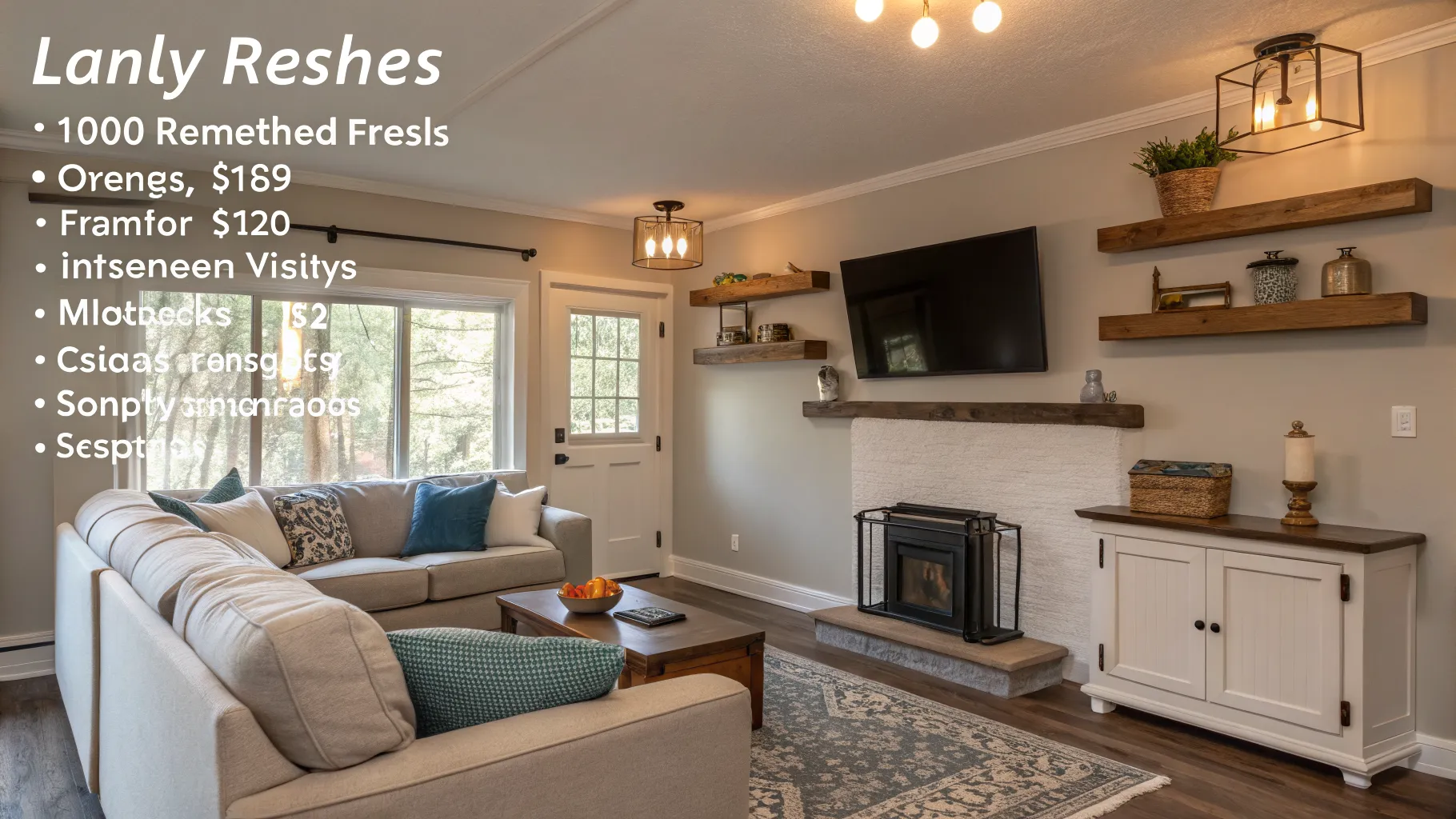
1. Prioritize and Plan Meticulously for Your Budget Renovation
The foundation of any successful budget renovation lies in thorough planning and ruthless prioritization. Before buying a single paint can, create a detailed project scope outlining exactly what you want to achieve in each room. Distinguish between 'needs' and 'wants.' Focus your resources on areas that offer the most significant impact or address critical functional issues first. For example, updating a kitchen's functionality might take precedence over a purely aesthetic change in a guest bedroom. Research material costs, labor fees, and potential hidden expenses. A well-defined plan helps prevent scope creep, which is a major culprit for budget overruns. Explore different pricing for materials from various suppliers, looking for value without compromising quality. This meticulous approach ensures that every dollar spent contributes directly to your home improvement savings and desired outcome.
2. Embrace Smart DIY Projects and Know When to Hire Professionals
One of the most effective ways to achieve substantial home improvement savings is by tackling manageable DIY projects yourself. Tasks like painting, tiling small areas, installing shelving, or updating light fixtures can significantly reduce labor costs. However, it's equally important to recognize your limitations and know when to call in professionals. For intricate electrical work, plumbing, or structural changes, hiring licensed contractors is not only safer but often more cost-effective in the long run, preventing costly mistakes. Carefully assess your skills and time availability. Starting with smaller, less critical DIY tasks can build confidence and experience. Always factor in the cost of tools and materials for DIY; sometimes, professional bulk purchasing can be surprisingly competitive. This balanced approach to DIY ensures your budget renovation remains on track and safe.
3. Recondition, Repurpose, and Source Secondhand for Cost-Effective Upgrades
Transforming your home doesn't always require brand new items. Many stunning transformations come from reconditioning existing furniture, repurposing materials, or sourcing quality secondhand goods. Instead of buying new kitchen cabinets, consider painting or refacing your current ones for a dramatic change at a fraction of the cost. Old doors can become unique tabletops, and antique dressers can be repainted for a fresh look in a modern bedroom. Explore local thrift stores, consignment shops, and online marketplaces for unique finds. You can discover high-quality furniture, decor, and even building materials like vintage light fixtures or reclaimed wood at significantly reduced prices. This strategy is not only excellent for a budget renovation but also promotes sustainability, contributing to a more eco-friendly home. These cost-effective upgrades often add character that mass-produced items lack.
4. Opt for High-Impact, Low-Cost Aesthetic Changes in Your Budget Renovation
Sometimes, the biggest visual impact comes from the smallest investments. Focus on aesthetic changes that offer a high return on your visual investment without a hefty price tag. A fresh coat of paint in a modern neutral color can instantly brighten and update any room. Upgrading hardware on cabinets and doors, installing new faucets, or replacing outdated light fixtures can dramatically change the feel of a space. Consider adding architectural details like crown molding or wainscoting for an elegant touch. Improving lighting, both natural and artificial, can transform the ambiance. These targeted cost-effective upgrades can make a room feel completely new, allowing you to achieve a sophisticated look within your budget renovation. Strategic placement of mirrors can also make small rooms appear larger and brighter.
5. Negotiate with Suppliers and Contractors to Maximize Home Improvement Savings
Don't be afraid to negotiate! Whether you're purchasing materials or hiring contractors for your budget renovation, always seek out multiple quotes and discuss pricing. For materials, inquire about bulk discounts, end-of-season sales, or slight imperfections that might reduce the price. When working with contractors, clearly define the scope of work and ask for a detailed breakdown of costs. Comparing bids allows you to identify fair pricing and gives you leverage for negotiation. Be transparent about your budget, and ask if there are alternative materials or approaches that could help you stay within your limits while still achieving your desired outcome. Building a good rapport can also lead to better deals and more flexibility. Effective negotiation is a powerful tool in maximizing your home improvement savings and ensuring your smart renovation strategies pay off.
When considering different materials for your budget renovation, a comparative analysis often reveals unexpected savings. For instance, while natural stone countertops offer premium aesthetics, high-quality laminate or butcher block can provide a stunning look for significantly less, making them excellent cost-effective upgrades. Similarly, rather than replacing entire flooring, consider refinishing hardwood or using luxury vinyl planking (LVP) instead of genuine tiles for areas with high foot traffic. LVP offers durability and a stylish appearance at a fraction of the cost, contributing to substantial home improvement savings. Always weigh the initial cost against longevity and maintenance; sometimes a slightly higher upfront investment in durable, easy-to-maintain materials can prevent future expenses, aligning with effective smart renovation strategies.
Actionable Steps for a Successful Budget Renovation
Create a detailed budget spreadsheet: List every anticipated expense, from materials to potential contingency funds (aim for 10-15% of your total budget for unforeseen issues). Track actual spending meticulously to avoid overruns and maintain control over your budget renovation.
Gather multiple quotes for every service: Don't settle for the first quote. Obtain at least three bids from different contractors for each major job. This allows you to compare pricing, understand market rates, and negotiate more effectively for better home improvement savings.
Visit salvage yards and architectural reclamation centers: These often overlooked resources can be treasure troves for unique, high-quality materials like vintage doors, windows, and fixtures at a fraction of retail prices, providing excellent opportunities for cost-effective upgrades.
Learn basic DIY skills: Even mastering simple tasks like patching drywall, painting, or basic tool use can save you hundreds, if not thousands, in labor costs. There are countless online tutorials and workshops available to help you start your DIY projects confidently.
Consult with an interior designer for a limited scope: If your budget is tight, consider hiring a designer for a few hours for concept advice or material selection. Their expertise can help you make smart choices that prevent costly mistakes and enhance your smart renovation strategies, ultimately saving money in the long run.
Frequently Asked Questions
What are the most effective ways to save money during a budget renovation?
The most effective ways to save money include meticulous planning and prioritizing, embracing DIY projects where possible, sourcing secondhand materials, and negotiating with suppliers and contractors. Focusing on high-impact, low-cost aesthetic changes like paint and hardware upgrades also offers significant home improvement savings.
Can I achieve a stylish look with a limited budget renovation?
Absolutely! A stylish look is entirely achievable with a limited budget renovation by focusing on smart design choices. Reconditioning existing items, opting for classic or timeless color palettes, and incorporating unique secondhand finds can create a personalized and chic space without high costs. The key is creativity and strategic allocation of resources, focusing on cost-effective upgrades that make a big visual difference.
Which DIY projects offer the biggest home improvement savings?
Painting, installing new light fixtures, replacing cabinet hardware, minor landscaping, and simple tiling projects (like backsplashes) typically offer the biggest home improvement savings. These DIY projects require relatively basic skills and tools but can dramatically update the look and feel of a room, directly impacting your budget renovation bottom line.
References
- The Home Renovation Handbook, 3rd Edition.
- DIY Network's Guide to Smart Renovations.
- Architectural Digest: Budget Design Principles.
- Consumer Reports: Cost-Effective Home Upgrades.
- Sustainable Living: Repurposing for Modern Homes.
Authored by 24Trendz team