5 Proven Ways to Maximize Small Spaces: Master Small Space Living
Facts:
- Over 60% of urban dwellers struggle with limited living space.
- Demand for innovative space-saving solutions continues to rise for urban residents.
Unlocking the Potential: Essential Strategies for Small Space Living
Navigating the challenges of compact living often requires a strategic approach to design and organization. In an era where urban density is increasing, mastering the art of small space living has become more crucial than ever. This comprehensive guide will explore 5 proven ways to maximize small spaces, offering actionable insights and innovative space-saving solutions to transform even the most confined areas into functional, aesthetically pleasing environments. From clever furniture choices to smart organizational tactics, we'll delve into how you can make every square inch count, ensuring your home feels spacious and inviting.
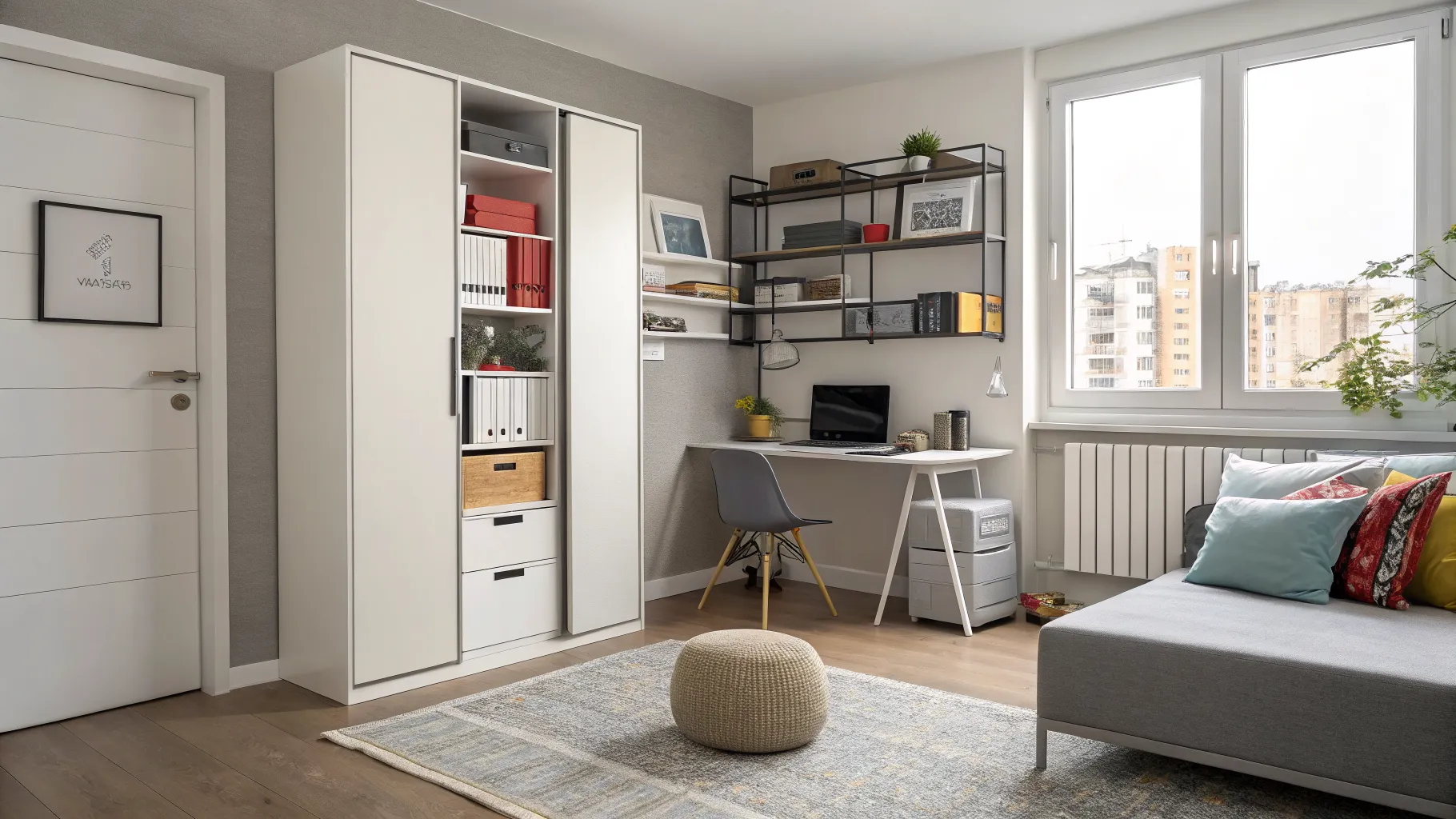
1. Embrace Multi-Functional Furniture for Smart Living
One of the most effective space-saving solutions for compact homes is investing in multi-functional furniture. This approach minimizes the need for multiple single-purpose items, thereby freeing up valuable floor space. Consider sofa beds that transition seamlessly from seating to sleeping, or ottomans with hidden storage compartments. Extendable dining tables are perfect for occasional entertaining, collapsing into smaller profiles for daily use. Wall-mounted desks that fold away completely when not in use are ideal for creating a home office without permanently occupying a room. The key is to select pieces that serve at least two distinct purposes, thereby maximizing utility in your small space living environment. For instance, a coffee table with built-in drawers can store remote controls and magazines, while a bench with under-seat storage can double as seating and a place for shoes or blankets. Prioritizing versatility in your furniture choices is paramount for efficient design.
2. Master Vertical Storage to Reclaim Floor Space
When horizontal space is limited, the only way is up. Mastering vertical storage is a game-changer for anyone looking to maximize their compact dwelling. Install shelves from floor to ceiling, utilize wall-mounted cabinets, and consider tall, narrow bookcases. Over-the-door organizers can provide immediate extra storage in bathrooms or pantries. In kitchens, magnetic knife strips and hanging pot racks free up counter and drawer space. Even in living areas, decorative wall shelves can display art and books without encroaching on the room's footprint. The goal is to draw the eye upward, creating an illusion of greater height and utilizing neglected areas. Think about floating shelves above a desk or bed, or tall, slender units that fit into tight corners. This strategy is critical for effective small space living as it leverages unused wall real estate, making every vertical inch contribute to your home's functionality.
3. Implement Ruthless Decluttering Strategies Regularly
Perhaps the most foundational of all space-saving solutions is the consistent application of decluttering strategies. A cluttered space inherently feels smaller and more chaotic. Regular purges of unused, unloved, or unnecessary items are essential. Adopt a "one in, one out" policy for new purchases to prevent accumulation. Organize items into categories: "keep," "donate," "dispose," or "store elsewhere." Consider digitalizing documents to reduce paper clutter. For sentimental items, designate a specific, limited space for them. The KonMari method or similar organizational philosophies can be incredibly effective in helping you decide what truly adds value to your life. This isn't just about neatness; it's about intentional living. By reducing the sheer volume of your possessions, you create more physical space and mental clarity, which is indispensable for comfortable small space living.
4. Optimize Layouts with Strategic Zoning and Flow
Even in a small footprint, thoughtful layout optimization can significantly enhance functionality and the perception of space. Strategic zoning involves defining distinct areas for different activities within an open-plan environment. Use rugs, subtle room dividers (like open shelving units), or even clever furniture placement to delineate a living area from a dining nook or a workspace. Ensure clear pathways and avoid placing large furniture pieces in traffic flow areas. Consider furniture with legs to allow light and air to flow beneath, making the room feel more open. Reflective surfaces like mirrors and glass tables can also contribute to an expansive feel. When arranging furniture, pull pieces slightly away from walls to create depth, and avoid pushing everything to the perimeter, which can make a room feel cramped. An optimized layout is crucial for transforming a small room into a highly functional and harmonious small space living environment.
5. Utilize Lighting and Mirrors to Expand Visual Space
Beyond physical reorganization, employing visual tricks can dramatically enhance the perception of space. Strategic use of lighting and mirrors are powerful space-saving solutions in this regard. Maximize natural light by keeping windows unobstructed and using sheer curtains. Supplement with layered artificial lighting, including ambient, task, and accent lighting. Recessed lighting, wall sconces, and slim floor lamps free up floor and table space while illuminating the room effectively. Mirrors are invaluable; placed opposite a window, they can reflect light and views, effectively doubling the apparent size of a room. A large mirror leaning against a wall can create an immediate sense of depth. Avoid dark, heavy colors, opting instead for lighter, neutral palettes on walls and larger furniture pieces to make rooms feel more open and airy. These visual strategies are key to making small space living feel less restrictive and more inviting.
When comparing different space-saving solutions, it becomes clear that a multi-faceted approach yields the best results. While multi-functional furniture provides immediate utility, it must be supported by consistent decluttering strategies to prevent new accumulation. Similarly, implementing vertical storage is highly effective, but its impact is amplified when combined with thoughtful layout optimization that ensures clear pathways and defines zones. Relying on a single strategy, such as merely buying smaller items, often falls short. The true mastery of small space living lies in the synergistic application of these methods, where each solution complements the others. For example, a fold-down desk (multi-functional furniture) is even more effective when placed under wall-mounted shelves (vertical storage) in a clearly defined work zone (optimized layout), maintained by regular decluttering.
Transforming Your Home: Actionable Advice for Maximizing Every Inch
- Start Small, Think Big: Begin by tackling one small area, like a cluttered countertop or a single closet. Success in a small zone provides momentum to apply decluttering strategies throughout your home, progressively maximizing your overall living space.
- Invest Wisely in Versatility: Prioritize purchases that serve dual purposes or can be easily reconfigured. Look for items specifically designed for small space living, such as nesting tables or modular shelving units, which offer flexibility and long-term value.
- Adopt a Minimalist Mindset: Regularly evaluate your possessions through the lens of necessity and joy. This mindset inherently supports space-saving solutions by reducing excess and focusing on what truly enhances your life, thereby improving the efficiency of your compact environment.
- Rethink Your Walls: Don't just decorate your walls; utilize them for storage and functionality. From art that doubles as hidden storage to expansive vertical storage systems, every wall can become an active participant in your home's organizational schema.
- Create Illusions of Grandeur: Employ design elements like light colors, reflective surfaces, and strategic lighting to make your space feel larger than it is. These visual tricks are integral to enhancing the experience of small space living without physical expansion.
Frequently Asked Questions
How do I start decluttering effectively for small space living?
Begin by removing everything from a small area, then categorize items into keep, donate, sell, or discard. When putting items back, prioritize only what is essential or brings you joy. Implement a "one in, one out" rule for new purchases to maintain your progress in your small space living environment.
What type of multi-functional furniture is best for really tiny apartments?
For truly tiny apartments, focus on items with multiple transformations, such as a wall bed (Murphy bed) that disappears when not in use, converting the bedroom into a living area. Also consider expandable dining tables, storage ottomans, and modular shelving units that can be reconfigured. These are critical space-saving solutions.
Can vertical storage really make a big difference in a small room?
Absolutely. Vertical storage is one of the most impactful space-saving solutions. By utilizing shelves, cabinets, and organizers that extend from floor to ceiling, you free up valuable floor space that would otherwise be occupied by traditional furniture, making a small room feel significantly larger and more organized.
Are there specific colors or materials that make a small space feel larger?
Yes. Lighter, neutral colors (whites, light grays, pastels) on walls and large furniture tend to reflect light and make a room feel more open and airy. Using consistent color palettes throughout can also create a seamless flow. Reflective materials like glass, mirrors, and polished metals further enhance the perception of space in small space living.
How often should I reassess my space-saving solutions and decluttering efforts?
Ideally, you should reassess your space-saving solutions and decluttering strategies seasonally, or at least twice a year. This helps prevent accumulation, ensures your storage solutions are still optimal for your current needs, and maintains the functionality and aesthetic appeal of your small space living environment.
References
- The Spruce - Small Space Decorating Tips
- Apartment Therapy - Small Space Solutions
- Real Simple - Decluttering Guides
Authored by 24Trendz team