Uncover the 5 Hidden Costs of Home Renovation & Avoid Unexpected Surprises
Facts:
- Renovation budgets often underestimate costs by 10-20%.
- The average homeowner faces significant cost overruns due to unforeseen issues.
Navigating the Maze of Unexpected Renovation Costs
Embarking on a home renovation project is an exciting endeavor, promising refreshed spaces and increased property value. However, many homeowners quickly realize that their initial estimations often fall short, leading to significant financial strain. The journey through a home makeover is frequently plagued by unexpected renovation costs, turning what was supposed to be a dream project into a budgetary nightmare. A truly successful renovation hinges not just on design and execution, but critically, on a meticulously planned and realistic home renovation budget that accounts for these often-overlooked expenditures. Ignoring these potential pitfalls can lead to stalled projects, compromised quality, or even abandoning the renovation midway. Understanding where these hidden expenses lurk is the first step towards a smoother, more predictable renovation experience.
Permit and Inspection Fees
One of the most frequently underestimated areas of a renovation project involves the often-complex world of permits and inspections. Depending on the scope and location of your project, you might need a myriad of permits—from structural and electrical to plumbing and zoning. These aren't just one-time fees; they often come with associated costs for applications, blueprints, and professional assessments. Beyond the initial outlay, failing to secure the correct permits can lead to costly fines, project stoppages, and even the requirement to tear down newly completed work. The inspection process itself, while crucial for safety and compliance, can also introduce project delays if issues are identified, requiring further work and re-inspection fees. These administrative hidden expenses can quickly accumulate, significantly impacting your overall home renovation budget if not factored in from the outset.
Unforeseen Structural Issues
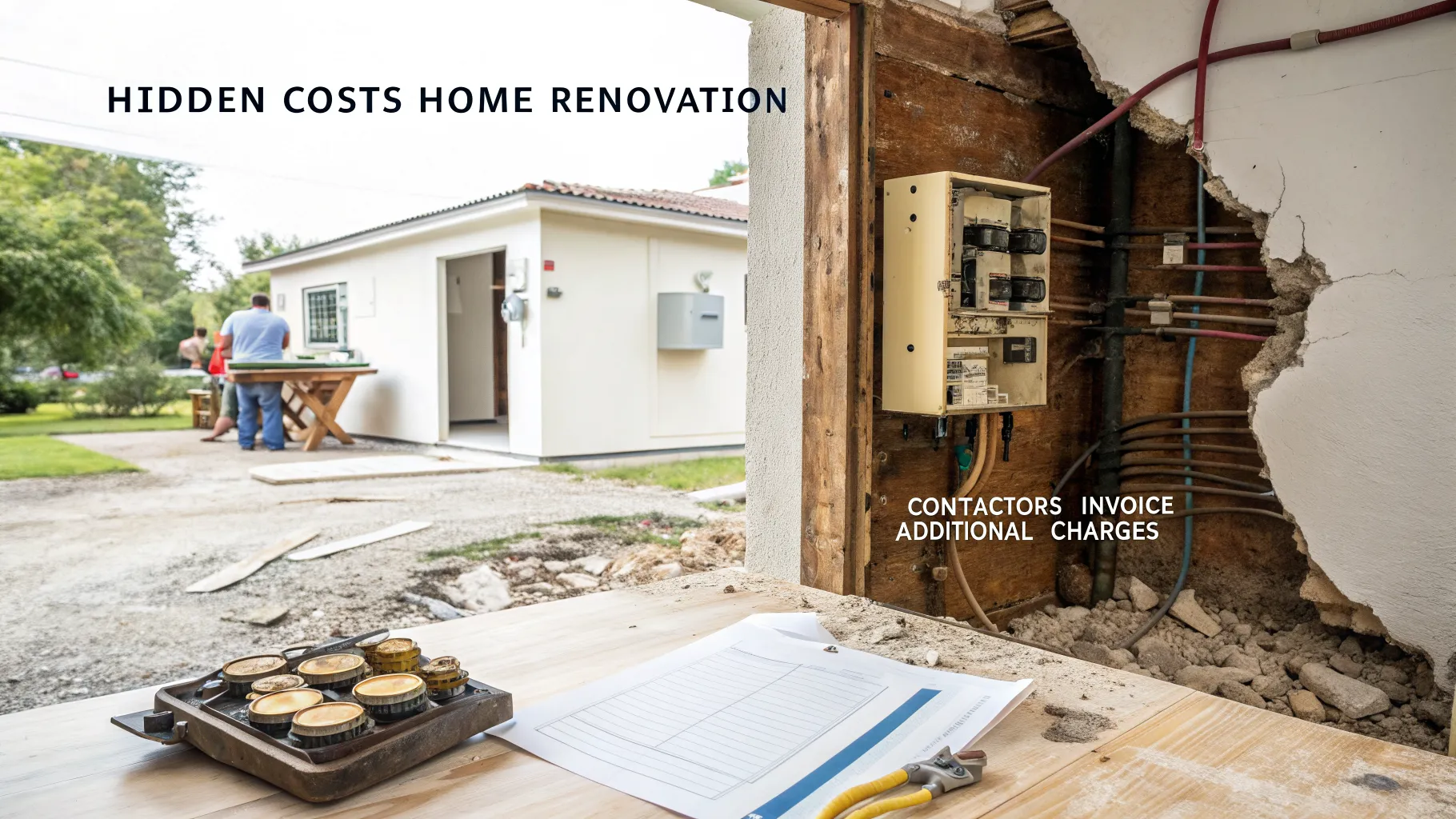
The thrill of demolition often gives way to the dread of discovery. Behind pristine walls or under old flooring can lie a Pandora's box of structural problems that were invisible during initial planning. This could include outdated and dangerous knob-and-tube wiring, leaky or corroded plumbing systems, unexpected mold infestations, or even foundational cracks that compromise the integrity of your home. Addressing these issues is not optional; they are critical for the safety and longevity of your property. Repairing or replacing these elements often requires specialized contractors and materials, driving up unexpected renovation costs dramatically. Such discoveries can cause major project delays and necessitate a significant reallocation of your home renovation budget, sometimes pushing it far beyond original estimates.
Cost of Temporary Living & Storage
For extensive renovations, especially those involving kitchens, bathrooms, or whole-house overhauls, staying in your home might not be feasible or safe. Many homeowners overlook the substantial hidden expenses associated with temporary relocation. This could mean renting an apartment, extended hotel stays, or even boarding pets. Similarly, to protect your belongings from dust, damage, or theft, temporary storage solutions often become necessary. Renting a storage unit, moving costs, and potentially even insurance for stored items can add up quickly. These often-forgotten line items contribute directly to cost overruns and must be meticulously planned for within your home renovation budget, especially if project delays extend the renovation timeline.
Material Price Fluctuations & Shortages
The global supply chain can be unpredictable, and material costs are rarely static. The price of lumber, steel, concrete, or even specific finishes can fluctuate significantly between the time you get an initial quote and when you actually purchase the materials. Furthermore, supply chain disruptions can lead to material shortages, forcing you to either wait indefinitely, incurring further project delays, or choose more expensive alternatives. These market dynamics can drastically inflate your home renovation budget. Even small changes or upgrades during the renovation can lead to substantial increases in material costs, making it crucial to have a buffer for these potential unexpected renovation costs.
Post-Renovation Clean-up & Landscaping Repair
The work doesn't end when the contractors leave. After the dust settles (literally), there's often a significant amount of professional cleaning required to remove construction debris, fine dust, and grime from every surface. This includes specialized cleaning for ducts and vents to ensure good air quality. Moreover, the heavy equipment and traffic during renovation can wreak havoc on your landscaping, driveways, and exterior pathways. Repairing damaged lawns, replacing shrubs, or fixing cracked concrete are often considerable hidden expenses that are rarely included in the initial contractor's quote. Budgeting for these final touches is essential to truly complete your project and avoid these last-minute cost overruns that can sour the entire experience.
Strategies to Mitigate Hidden Renovation Expenses
Establish a Robust Contingency Fund: Always allocate at least 15-20% of your total estimated project cost as a contingency fund. This financial buffer is specifically designed to cover unexpected renovation costs and unforeseen issues that inevitably arise. Having this fund readily available prevents project delays and avoids dipping into other savings, safeguarding your primary home renovation budget from early exhaustion. It's an essential safety net for any significant renovation.
Obtain Detailed Contracts and Quotes: Insist on comprehensive, line-item contracts from all contractors. Ensure that every aspect of the work, including materials, labor, permits, and a clear payment schedule, is explicitly detailed. Ambiguous clauses can lead to future disputes and inflate your cost overruns. A well-defined scope of work helps prevent misunderstandings and ensures that all parties are aligned on the project deliverables and pricing.
Conduct Thorough Pre-Renovation Inspections: Before any demolition begins, consider hiring professionals to conduct in-depth inspections of your home's structural integrity, plumbing, and electrical systems. While an upfront cost, this can uncover potential hidden expenses like outdated wiring or corroded pipes, allowing you to incorporate these repairs into your initial home renovation budget rather than facing expensive surprises mid-project.
Prioritize and Phased Approach: If your initial budget feels constrained, consider a phased renovation approach. Break your project into smaller, manageable stages that can be tackled over time. This allows you to spread out the financial burden and respond to any unexpected renovation costs that arise in one phase before committing to the next, helping you maintain control over your overall home renovation budget.
Maintain Open Communication with Contractors: Foster clear and consistent communication with your contractors throughout the project. Discuss any potential changes or issues immediately. Understanding the implications of design changes or material substitutions on both cost and timeline is critical. Proactive communication can help manage expectations, prevent significant project delays, and mitigate potential cost overruns by addressing concerns before they escalate.
Frequently Asked Questions
What is a typical contingency fund for a home renovation project?
Experts generally recommend setting aside 15-20% of your total estimated home renovation budget as a contingency fund. This financial buffer is crucial for covering unexpected renovation costs such as unforeseen structural issues, material price fluctuations, or minor changes in the scope of work. For older homes or more complex projects, a larger contingency of up to 25% might be advisable to guard against significant cost overruns.
How can I avoid significant cost overruns in my renovation?
To avoid significant cost overruns, it's vital to meticulously plan and budget, including a robust contingency fund. Obtain detailed, itemized quotes from multiple contractors, conduct thorough pre-renovation inspections to uncover potential hidden expenses, and stick to your design choices to prevent expensive change orders. Regular communication with your contractor about progress and any emerging issues can also help keep your project on track and within your planned home renovation budget.
What permits do I typically need for a major home renovation?
The types of permits required for a major home renovation depend heavily on your specific location and the scope of work. Common permits include building permits for structural changes, electrical permits for wiring, plumbing permits for water and drainage systems, and sometimes zoning permits for additions or significant exterior alterations. It's crucial to consult with your local municipal planning department or a knowledgeable contractor early in the process to understand all necessary permit requirements and associated hidden expenses to avoid project delays and fines.
References
- National Association of Home Builders (NAHB) Cost Guides
- HomeAdvisor Annual True Cost Reports
- Remodeling Magazine Cost vs. Value Report
Authored by 24Trendz team