Finding Your Perfect Yorkshire Terrier Puppy: A Guide to Responsible Buying
Facts:
- Yorkshire Terriers originated in England, initially bred to catch rats in mills.
- Demand for Yorkshire Terrier puppies is consistently high due to their small size and spirited personality.
Navigating the Search for Yorkshire Terrier Puppies
Embarking on the journey to find Yorkshire Terrier puppies is an exciting prospect, promising years of companionship with a spirited, affectionate little dog. However, the path to bringing home a new furry family member requires careful consideration and thorough research. Understanding the nuances of reputable breeding, health clearances, and early socialization is paramount to ensure you welcome a healthy, well-adjusted puppy into your home. This comprehensive guide aims to equip prospective owners with the knowledge needed to make an informed decision when buying a Yorkshire Terrier, focusing on responsible practices and long-term well-being.
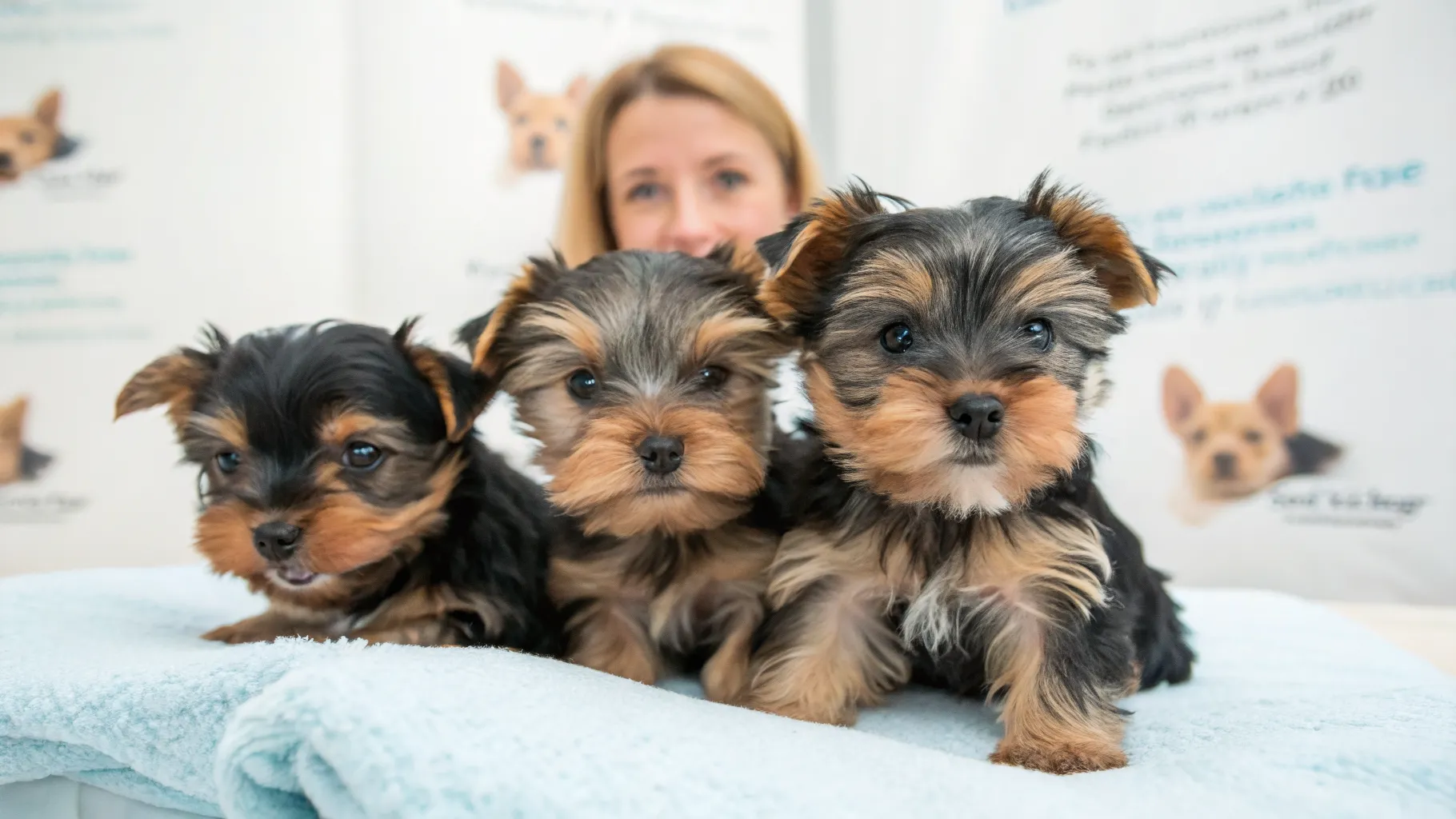
Understanding Reputable Breeders for Yorkie Puppies for Sale
When searching for Yorkshire Terrier puppies for sale, the breeder you choose is arguably the most critical factor. A reputable breeder prioritizes the health, temperament, and welfare of their dogs above all else. They will be transparent about their breeding practices, the health history of the parent dogs, and the living conditions of the puppies. Avoid breeders who refuse visits to their facility, do not offer health guarantees, or seem more interested in making a quick sale than ensuring a good match for their puppies. Ethical breeders often specialize in one or two breeds, are knowledgeable about breed-specific health concerns, and participate in dog shows or other breed-related activities. They should also be able to provide references from previous puppy buyers. The process of buying a Yorkshire Terrier from a responsible source ensures you are supporting ethical practices and reduces the likelihood of encountering inherited health issues or behavioral problems.
What to Ask a Yorkshire Terrier Breeder
- Health Clearances: Inquire about health clearances for the parent dogs, specifically for common Yorkshire Terrier ailments like patellar luxation, Legg-Calve-Perthes disease, and eye conditions.
- Vaccination Records: Request complete vaccination and deworming records for the puppy, ensuring they are up-to-date.
- Socialization Practices: Ask about how the puppies are socialized from birth, as early exposure to sights, sounds, and people is crucial for their development.
- Return Policy: A reputable breeder will have a contract that includes a return policy, offering to take the puppy back if circumstances change or if health issues arise.
- Diet and Routine: Understand the puppy's current diet and daily routine to ensure a smooth transition to your home.
The Essential Steps When Buying a Yorkshire Terrier
Once you've identified potential breeders offering Yorkie puppies for sale, the next phase involves a series of crucial steps to ensure you're making the right choice for your family. This includes thorough research, personal visits, and understanding contractual agreements. It's not just about selecting the cutest puppy; it's about finding a companion whose health and temperament are well-suited to your lifestyle. Visiting the breeder's facility allows you to observe the living conditions of the puppies and their parents, and to interact with the dogs. Pay attention to the cleanliness, the demeanor of the adult dogs, and how the puppies respond to human interaction. This hands-on experience is invaluable when you are buying a Yorkshire Terrier, as it provides direct insight into their early environment and care. Additionally, discuss any genetic testing or health certifications that the breeder has performed on the parent dogs to mitigate future health risks.
Health Screening and Genetic Testing for Your Yorkie Puppy
Responsible breeders perform health screenings on parent dogs to reduce the incidence of genetic diseases in their litters. For Yorkshire Terrier puppies, this typically includes screening for patellar luxation, Legg-Calve-Perthes disease, portosystemic shunt (liver shunt), and various eye conditions. Understanding these potential issues and ensuring the breeder has taken preventative measures can save future heartache and significant veterinary costs. Always ask for documentation of these screenings. This proactive approach by responsibly bred Yorkies contributes significantly to the long-term health and well-being of the puppy you bring home.
Preparing Your Home for Your New Yorkshire Terrier Puppy
Before your new Yorkshire Terrier puppy arrives, it's essential to puppy-proof your home. This involves securing dangerous items, setting up a safe space, and gathering necessary supplies. Remove any toxic plants, electrical cords, small objects that could be swallowed, and secure cabinets with cleaning supplies. Designate a specific area for your puppy with a comfortable bed, food and water bowls, and a few appropriate toys. A crate can be an excellent tool for house-training and providing a secure den. Having everything prepared beforehand will reduce stress for both you and your new puppy, allowing them to settle in more easily.
Early Puppy Care Tips for Your New Companion
Bringing home Yorkshire Terrier puppies is just the beginning of a lifelong commitment. Proper puppy care tips are crucial during their formative months to ensure they grow into healthy, well-behaved adults. This includes establishing a consistent routine for feeding, potty breaks, training, and socialization. Young puppies require frequent small meals, access to fresh water, and multiple opportunities to relieve themselves outdoors. Early training, focusing on basic commands and house-training, should begin immediately using positive reinforcement methods. Gentle handling and exposure to various environments, people, and other vaccinated dogs will help them develop into confident and friendly companions. Remember that patience and consistency are key during this important developmental stage.
Nutrition and Diet for Growing Yorkshire Terrier Puppies
The diet of Yorkie puppies for sale is critical for their healthy growth and development. Choose a high-quality puppy food specifically formulated for small breeds, as these typically have appropriate nutrient levels and kibble size. Follow the feeding guidelines provided by the food manufacturer and your veterinarian, adjusting portions as your puppy grows. Frequent small meals are often recommended to prevent hypoglycemia, a common concern in toy breeds. Always provide fresh water and monitor your puppy's weight to ensure they are maintaining a healthy physique. Any changes in diet should be introduced gradually to avoid digestive upset.
Socialization and Training Your Yorkie Puppy
Early socialization is paramount for Yorkshire Terrier puppies. Expose your puppy to a variety of safe, positive experiences, including different people, sounds, sights, and other friendly, vaccinated dogs. Puppy classes are an excellent way to combine socialization with basic obedience training. Start training with simple commands like 'sit,' 'stay,' and 'come' using positive reinforcement, such as treats and praise. Yorkies are intelligent but can have a stubborn streak, so consistency and patience are vital. Early training helps establish good habits and strengthens the bond between you and your new companion. This investment in training and socialization will pay dividends throughout your puppy's life.
Common Health Concerns in Yorkshire Terrier Puppies
While generally robust, Yorkshire Terrier puppies can be prone to certain health conditions that prospective owners should be aware of. Understanding these potential issues allows for early detection and proactive veterinary care, which is a significant part of responsible puppy care tips. Conditions such as patellar luxation (slipping kneecaps), Legg-Calve-Perthes disease (a hip joint disorder), portosystemic shunt (liver shunt), and tracheal collapse are more common in the breed. Dental issues are also prevalent, so early dental hygiene habits are important. Regular veterinary check-ups, a balanced diet, and appropriate exercise can help manage and sometimes prevent these conditions. Always choose a veterinarian experienced with small breeds to ensure your Yorkie receives the best possible care.
Why Responsible Ownership Matters for Your Yorkie Puppy
The decision to bring home Yorkshire Terrier puppies is a long-term commitment that extends beyond the initial excitement of adoption. Responsible ownership involves providing consistent care, ongoing training, and a loving environment throughout your Yorkie's life. This includes annual veterinary check-ups, preventative care for fleas, ticks, and heartworm, and maintaining a healthy weight. Regular grooming is also essential for Yorkies to prevent matting and skin issues. Furthermore, ensuring your Yorkie is socialized and receives mental stimulation will contribute to their overall happiness and well-being. By embracing all aspects of responsible pet ownership, you provide your Yorkie puppies for sale with the best chance for a happy, healthy, and fulfilling life as a cherished member of your family.
Frequently Asked Questions
How much do Yorkshire Terrier puppies typically cost?
The cost of Yorkshire Terrier puppies can vary significantly based on factors such as breeder reputation, lineage, location, and whether the puppy comes with breeding rights. Generally, prices can range from $1,500 to $4,000 or more from a reputable breeder. Be wary of unusually low prices, as they might indicate unethical breeding practices or potential health issues.
What is the average lifespan of a Yorkshire Terrier?
With proper care, a balanced diet, and regular veterinary attention, Yorkshire Terrier puppies can grow to live a long and healthy life. The average lifespan for a Yorkshire Terrier is typically 12 to 15 years, with many living even longer. Regular preventative care and a healthy lifestyle contribute significantly to their longevity.
Are Yorkshire Terrier puppies good with children and other pets?
Yorkshire Terrier puppies can be good with children and other pets if they are properly socialized from a young age. However, due to their small size, they are generally better suited for homes with older, gentle children who understand how to interact safely with a small dog. Introduction to other pets should be done carefully and under supervision.
What kind of grooming do Yorkie puppies require?
Yorkshire Terriers have a long, silky coat that requires regular grooming. This includes daily brushing to prevent mats and tangles, regular baths, and professional grooming every 4-6 weeks to trim their coat, nails, and clean their ears. Establishing a grooming routine early is crucial for puppy care tips and will make the process more manageable as they grow.
References
- The American Kennel Club (AKC) Breed Standard for Yorkshire Terriers.
- Veterinary resources on common health issues in toy breeds.
- Publications on responsible pet ownership and puppy socialization.
- Canine nutrition guides for small and toy breed puppies.
Authored by 24Trendz team