Unlocking Opportunities: Exploring Vacant Properties for Sale in the United States
Facts:
- Over 16 million vacant homes exist in the US.
- Demand for distressed real estate for investment is rising.
Navigating the Landscape of Vacant Properties for Sale Across the US
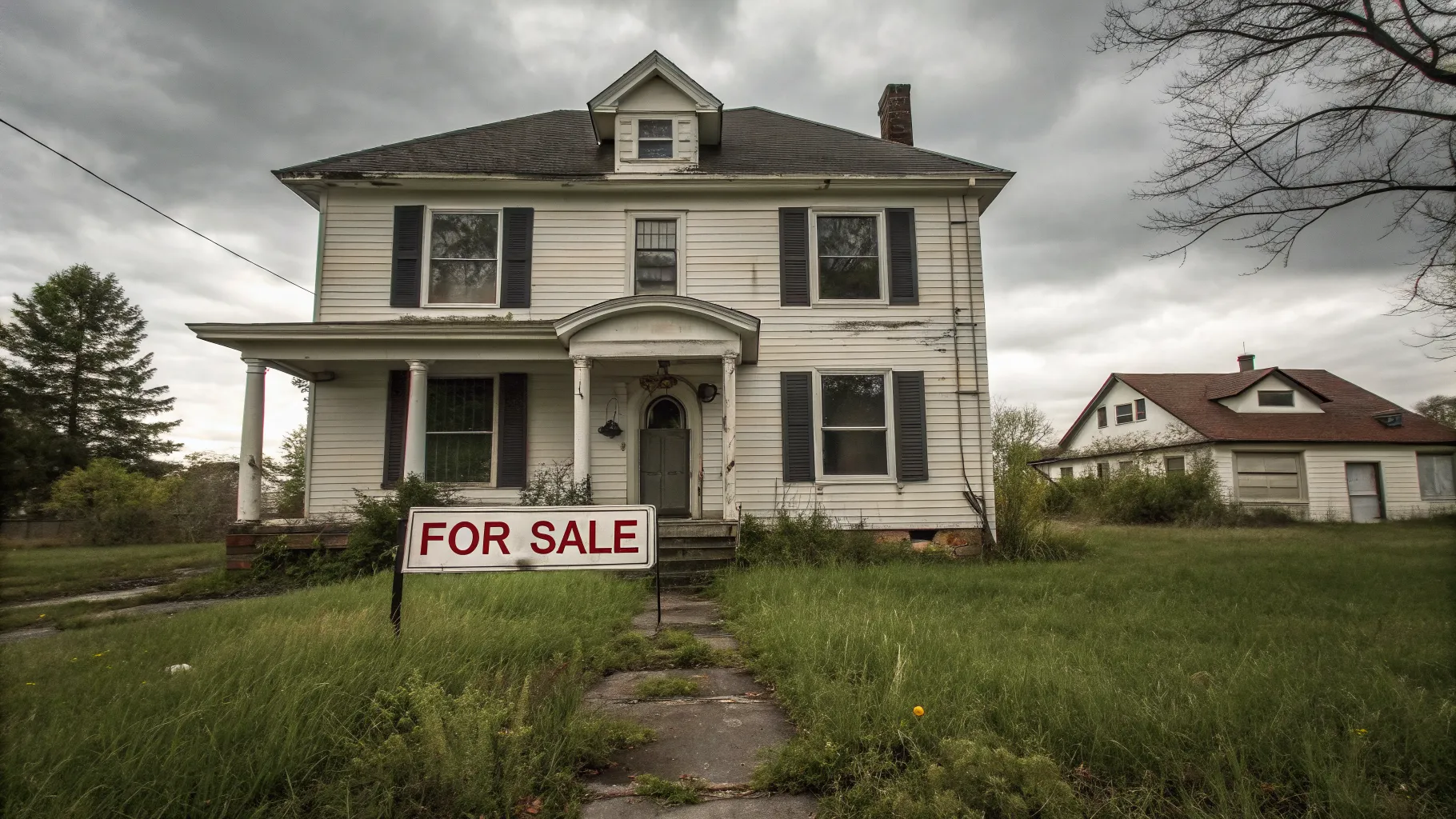
The concept of vacant properties for sale in the United States presents a compelling landscape for both aspiring homeowners and seasoned investors. With millions of unoccupied dwellings scattered across urban, suburban, and rural areas, these properties often represent untapped potential for significant financial gain or the realization of a dream home at a reduced cost. Understanding the nuances of this market, from identifying suitable listings to navigating complex purchase processes, is crucial for anyone looking to capitalize on these unique opportunities. Many of these homes, often categorized as foreclosed homes or distressed real estate, require varying degrees of rehabilitation but offer considerable equity building potential.
Understanding the Types of Vacant Properties for Sale
When delving into the market of vacant properties for sale, it's essential to differentiate between the various categories that exist. Not all empty homes are created equal, and their origins often dictate the purchasing process, potential risks, and required investment. One significant segment includes foreclosed homes, which are properties that have been repossessed by lenders due to unpaid mortgages. These can often be found through bank listings, government agencies like HUD, or public auctions. Another category encompasses properties that have been abandoned, sometimes due to inheritance issues, long-term neglect, or owners moving away without selling. These might require more due diligence to trace ownership and clear titles. Additionally, there are tax-lien properties, where homeowners have failed to pay property taxes, leading to potential governmental seizure and sale. Each type of distressed real estate requires a specific approach, and understanding these distinctions is the first step toward a successful acquisition.
Identifying Opportunities in Distressed Real Estate Markets
Successfully finding promising vacant properties for sale involves a strategic approach to market research and property identification. Beyond traditional real estate listings, several avenues can lead to hidden gems. Local government websites often list properties with tax liens or those deemed abandoned. Property auctions, whether online or in-person, are frequently where foreclosed homes are sold, sometimes at prices significantly below market value. Networking with local real estate agents who specialize in investment properties or distressed assets can also provide an edge, as they often have access to off-market deals. Driving through neighborhoods known for revitalization efforts can reveal visibly vacant homes, prompting further investigation into their ownership status. Furthermore, online platforms dedicated to investment properties and auctions consolidate many of these listings, making it easier for potential buyers to scour for opportunities among empty homes ripe for renovation.
Financing Your Purchase: Strategies for Investment Properties
Securing financing for vacant properties for sale, particularly those requiring extensive repairs, can be different from financing a standard home purchase. Traditional mortgages may be challenging to obtain for properties in poor condition. This is where alternative financing strategies become crucial for investment properties. Hard money loans, which are asset-based loans typically from private lenders, can provide quick access to capital for a short term, ideal for purchasing and renovating a distressed property before refinancing. FHA 203(k) loans are another excellent option, specifically designed for homes that require rehabilitation, allowing borrowers to combine the purchase price and renovation costs into a single mortgage. Owner financing, though less common, can sometimes be negotiated directly with a motivated seller of distressed real estate. Exploring these specialized financing products is essential for making these seemingly complex acquisitions feasible and profitable.
The Renovation & Value-Add Potential of Empty Homes
The true value of vacant properties for sale often lies in their renovation potential. Many of these homes, especially foreclosed homes, require significant upgrades to bring them up to modern standards or simply make them habitable. This process, while daunting, is precisely where investors can add substantial value. Evaluating the scope of work – from cosmetic fixes like painting and flooring to structural repairs, roofing, and HVAC systems – is critical before purchase. Understanding local permitting requirements and hiring reputable contractors are key steps in a successful renovation project. The goal is not just to repair but to enhance the property's appeal and functionality, thereby maximizing its market value. A well-executed renovation transforms a dilapidated piece of distressed real estate into a desirable home, attracting buyers or renters and yielding a strong return on investment.
Risks and Rewards of Investing in Vacant Properties for Sale
Investing in vacant properties for sale comes with its own set of risks and potentially significant rewards. On the reward side, the primary draw is the potential for substantial equity gains, often achieved by purchasing a property below market value and enhancing it through renovation. This can lead to impressive returns whether the property is flipped or held as a rental income generator. Additionally, these properties offer a pathway into homeownership or real estate investment at a lower initial entry point. However, the risks are considerable. Unforeseen structural issues, environmental hazards, or hidden damage can quickly escalate renovation costs beyond initial estimates. Title issues, such as undisclosed liens or ownership disputes, can complicate or even halt a purchase. Furthermore, the time and effort required for renovation can be substantial. Thorough due diligence, including professional inspections and legal advice, is paramount to mitigating these risks and ensuring that the rewards outweigh the challenges when dealing with distressed real estate and empty homes.
Comparing Traditional Purchases vs. Distressed Real Estate
When considering real estate acquisition, a fundamental choice often arises between purchasing a move-in-ready home through traditional channels and investing in vacant properties for sale, often categorized as distressed real estate. Traditional purchases offer convenience; homes are typically inspected, often updated, and ready for immediate occupancy, simplifying the mortgage process. However, this convenience comes at a premium, with higher upfront costs and less opportunity for forced appreciation. In contrast, empty homes, including foreclosed homes, demand more effort and carry more inherent risk. They require thorough inspections, often extensive renovations, and navigating potentially complex legal procedures. Yet, the reward can be substantial: the ability to acquire assets significantly below market value, customize them to specific tastes or market demands, and realize considerable profit upon resale or rental. The choice hinges on an individual's financial capacity, risk tolerance, and willingness to invest time and effort in transforming a property.
Actionable Advice for Acquiring Vacant Properties
- Conduct Thorough Due Diligence: Before making any offer on vacant properties for sale, commission comprehensive inspections to uncover any hidden structural, electrical, plumbing, or environmental issues. Research the property's history for any outstanding liens, zoning violations, or permits.
- Secure Specialized Financing: Explore FHA 203(k) loans or hard money loans, which are specifically designed for purchasing and renovating distressed real estate. Be prepared to present a detailed renovation plan to lenders.
- Estimate Renovation Costs Accurately: Obtain multiple bids from licensed contractors for all necessary repairs and renovations. Always budget an additional 15-20% for unforeseen expenses, as these are common with empty homes.
- Work with Experienced Professionals: Engage real estate agents, attorneys, and contractors who have specific experience with foreclosed homes and investment properties. Their expertise can save you time and money and help navigate potential pitfalls.
- Understand Local Market Dynamics: Research the neighborhood's appreciation rates, rental demand, and comparable sales for renovated properties. This insight is crucial for determining the after-repair value and ensuring your investment in vacant properties for sale is sound.
Frequently Asked Questions
What are the common sources for finding vacant properties for sale?
Common sources include online real estate platforms with foreclosure filters, local government websites for tax-lien properties, property auctions (both online and in-person), real estate agents specializing in investment properties or distressed real estate, and driving through neighborhoods to spot visibly empty homes.
Is it riskier to buy a foreclosed home compared to a traditional sale?
Yes, buying a foreclosed home often carries higher risks. Properties are typically sold "as-is," meaning the buyer assumes responsibility for all repairs. There might be hidden damage, title issues, or even lingering occupants. Thorough inspections and legal counsel are essential.
How much can I save by purchasing distressed real estate?
Savings can vary significantly, but it's possible to acquire distressed real estate for 10% to 50% below market value, depending on the property's condition, the seller's motivation, and the competitiveness of the market. The savings often need to be weighed against potential renovation costs.
What steps should I take after buying empty homes?
After acquiring empty homes, the immediate next steps typically involve securing the property, performing detailed assessments for necessary repairs, obtaining permits for renovations, and then proceeding with the planned rehabilitation. It's also wise to ensure adequate insurance coverage.
References
- US Department of Housing and Urban Development (HUD)
- National Association of Realtors (NAR)
- Local County Property Assessor Records
- Real Estate Investment Trusts (REIT) Reports
- Bureau of Economic Analysis (BEA) Housing Data
Authored by 24Trendz team