Understanding Backyard Apartment Installation Cost: A Comprehensive Guide to ADU Expenses
Facts:
- Average ADU projects can range from $100,000 to $300,000.
- Increased demand for flexible living spaces drives ADU popularity for homeowners.
Deconstructing the Backyard Apartment Installation Cost: What to Expect
Embarking on a project to build an accessory dwelling unit (ADU) in your yard necessitates a thorough understanding of the backyard apartment installation cost. This significant investment involves a multitude of factors, from initial design and permitting to construction and final finishes. Homeowners looking to add value, generate rental income, or provide independent living space for family members must meticulously plan their ADU construction costs to avoid unexpected financial burdens and ensure a successful project outcome. Navigating the complexities of these expenditures requires a clear overview of each component contributing to the overall price.
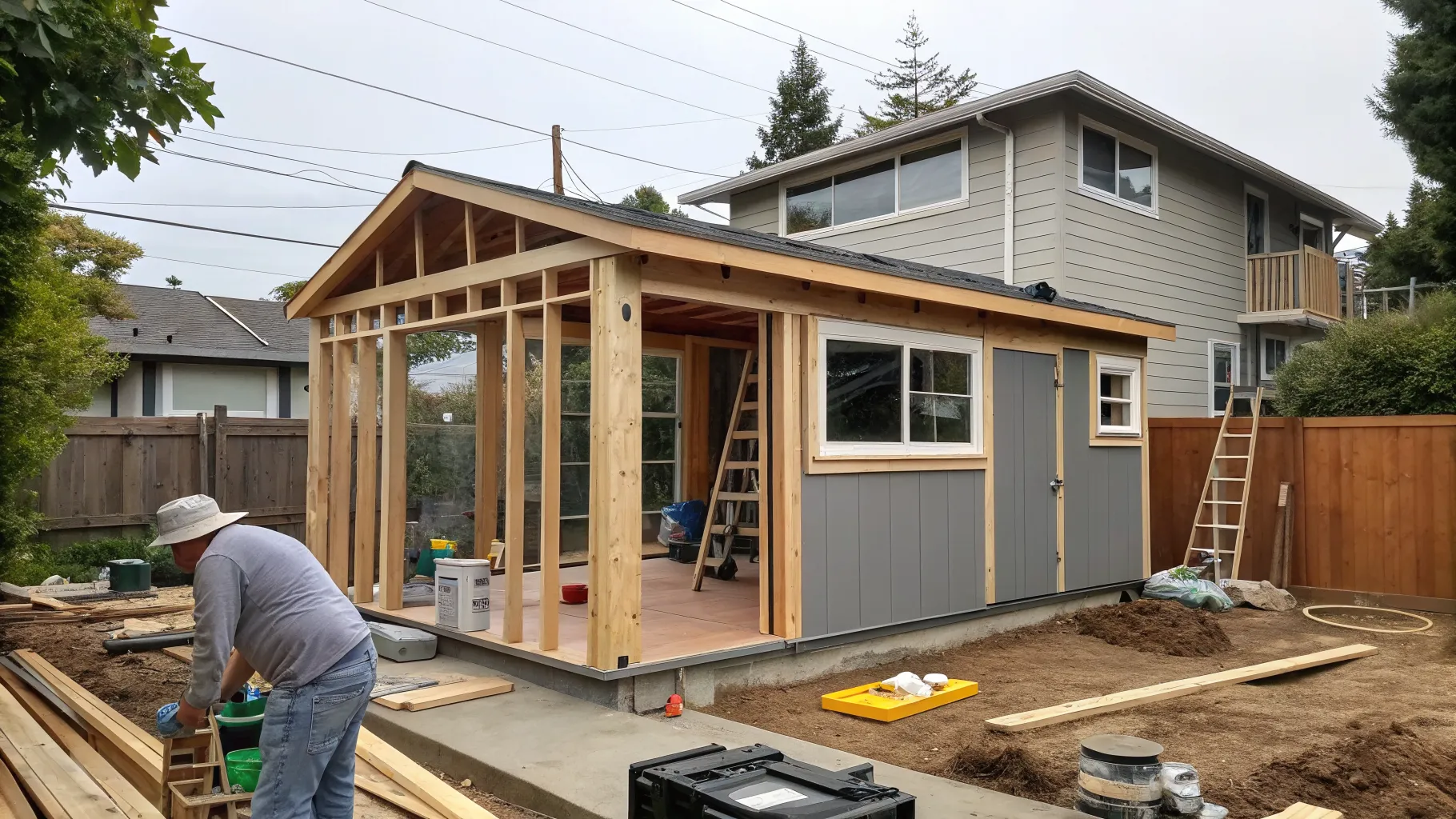
Key Factors Influencing Backyard Apartment Installation Cost
The total backyard apartment installation cost is not a monolithic figure but rather an aggregation of various interconnected elements. Understanding these individual components is crucial for accurate budgeting and project management. The size of the ADU, for instance, significantly impacts material and labor costs; a larger footprint naturally requires more resources. Furthermore, the chosen type of ADU—whether it's a detached unit, an attached addition, or a garage conversion—will dictate the complexity and extent of construction work. Detached units often incur higher site preparation costs due to new foundation requirements, while garage conversions might save on structural framing but introduce challenges with utility connections and interior finishing. The quality of materials and finishes also plays a pivotal role; opting for high-end cabinetry, flooring, or fixtures will invariably increase the final price compared to standard-grade selections. Location is another dominant factor, as labor rates, material prices, and local permitting fees can vary drastically from one region to another, making the small home building cost highly localized.
Navigating Permitting and Design Expenses for ADUs
Before any ground is broken, significant portions of the accessory dwelling unit expenses are allocated to design and permitting. Architectural plans are a fundamental requirement, ensuring structural integrity, code compliance, and aesthetic appeal. The cost for these plans can range widely based on the complexity of the design and the architect's experience. Engaging structural engineers and surveyors may also be necessary, especially for sites with challenging topography or unique soil conditions. Crucially, securing building permits from local authorities is a non-negotiable step. Permit fees are often calculated based on the project's estimated value or square footage, and they can represent a substantial portion of the initial outlay. Moreover, navigating the bureaucratic landscape can be time-consuming; delays in obtaining approvals can indirectly increase the backyard apartment installation cost by extending the project timeline and potentially incurring additional labor costs or material price fluctuations. Thorough pre-construction planning is therefore paramount to mitigate these early-stage financial hurdles.
Construction and Utility Hookup Costs for Your Backyard Unit
The core of the backyard unit budget is typically consumed by the actual construction phase, encompassing everything from foundation work to roofing. Site preparation is often underestimated, involving excavation, grading, and potentially demolition, which can add significant costs depending on the existing landscape and soil conditions. Pouring the foundation, framing the structure, and installing the exterior shell (siding, windows, doors) are major line items. Interior work includes electrical wiring, plumbing, HVAC systems, insulation, drywall, painting, and the installation of kitchens and bathrooms. Each of these trades contributes to the overall ADU construction costs. A critical, and often expensive, component is connecting the new unit to existing utilities—water, sewer, electricity, and gas. If the main lines are far from the proposed ADU site, or if existing infrastructure needs upgrading to handle the additional load, these utility hookup costs can escalate rapidly. Trenching, new meters, and professional installation are all part of these essential, yet often hidden, expenditures, directly impacting the final backyard apartment cost.
Material Choices and Their Impact on Your Small Home Building Cost
The selection of materials significantly dictates the final small home building cost. From the foundational concrete to the finishing touches like flooring and paint, every material choice carries a price tag and influences both durability and aesthetics. For instance, opting for premium siding materials such as cedar or fiber cement will naturally be more expensive than vinyl. Similarly, high-efficiency windows, while more costly upfront, can offer long-term savings on energy bills. Inside the unit, decisions regarding cabinetry, countertops, and flooring are major cost drivers. Custom cabinetry, granite or quartz countertops, and hardwood flooring will push the backyard unit budget significantly higher than prefabricated options, laminate, or vinyl plank flooring. It's essential for homeowners to balance their desired aesthetic and quality expectations with their financial constraints. Researching and comparing different material options, considering their lifecycle costs, and exploring sustainable choices can help optimize the overall accessory dwelling unit expenses without compromising too much on quality or functionality. Intelligent material selection is a cornerstone of managing the entire project.
Strategies for Managing and Reducing Backyard Apartment Expenses
While the prospect of managing the backyard apartment installation cost might seem daunting, several effective strategies can help homeowners stay within budget and potentially reduce overall expenses. One of the most impactful approaches is a well-defined project scope from the outset. Making significant changes during construction invariably leads to costly delays and rework. Utilizing a standardized or pre-designed ADU plan can save considerably on architectural fees compared to a fully custom design. Sourcing materials strategically, perhaps buying in bulk or during sales, can also yield savings. Engaging experienced contractors who specialize in ADUs and have a proven track record can prevent costly errors and ensure efficient project execution. Owner-builder roles, where permissible and practical, can save on general contractor fees, though this requires significant time commitment and construction knowledge. Finally, phased construction, if viable, allows for spreading the ADU construction costs over a longer period, alleviating immediate financial pressure. Diligent planning and proactive management are key to minimizing your backyard apartment cost.
Actionable Steps for Estimating Your Backyard Apartment Cost
Thoroughly Research Local Regulations and Fees:
Before anything else, dive deep into your local zoning ordinances and building codes. These regulations will dictate what kind of ADU you can build, its size, and specific requirements, all of which directly impact the backyard apartment installation cost. Obtain a list of all potential permit fees, impact fees, and utility connection charges from your local planning department. This initial research is critical for forming a realistic baseline for your accessory dwelling unit expenses.
Obtain Multiple Quotes from Qualified Professionals:
Do not settle for the first quote you receive. Engage at least three to five reputable architects, engineers, and general contractors who have specific experience with ADU projects. Ensure their bids are detailed and itemized, allowing for a clear comparison of materials, labor, and subcontractor costs. This competitive bidding process is essential for understanding the market rate for ADU construction costs in your area and securing the best value.
Create a Detailed Budget with a Contingency Fund:
Develop a comprehensive budget that accounts for every foreseeable expense, from design and permits to construction, landscaping, and final inspections. Categorize costs clearly. Critically, always include a contingency fund of 10-20% of your total estimated backyard unit budget. This financial buffer is crucial for absorbing unexpected costs, such as unforeseen site conditions, material price increases, or minor design changes, preventing budget overruns.
Frequently Asked Questions
What is the average backyard apartment installation cost?
The average backyard apartment installation cost can vary significantly based on location, size, and finishes, typically ranging from $100,000 to $300,000. Smaller, more basic units or garage conversions might be on the lower end, while larger, custom-built ADUs with high-end finishes can exceed this range. It is crucial to get localized estimates to understand precise accessory dwelling unit expenses in your area.
How long does it take to build an ADU, impacting the total cost?
The construction timeline for an ADU can range from 6 months to over a year, depending on permit approval times, construction complexity, and contractor availability. Longer project durations can indirectly increase the backyard unit budget due to extended loan interest periods, potential material price hikes, and increased labor overheads if the project isn't managed efficiently.
Can I finance my backyard apartment installation cost?
Yes, there are several financing options available for the backyard apartment installation cost. These include home equity loans, home equity lines of credit (HELOCs), construction loans, and even specific ADU financing programs offered by some banks or government initiatives. Exploring these options with a financial advisor can help determine the most suitable approach for your ADU construction costs.
References
- Local Government Planning Department Official Building Codes
- National Association of Home Builders Reports on Residential Construction Costs
- Urban Land Institute Studies on Accessory Dwelling Units
- Various Architectural and Engineering Firm Cost Estimations
- Financial Institution Guides to Home Improvement Loans
Authored by 24Trendz team