Demystifying Radiant Floor Heating Installation Cost: Your Ultimate Guide
Fast Facts:
- Radiant heat offers superior comfort and energy efficiency.
- Trend info indicates rising demand for efficient heating for homeowners.
Understanding Your Radiant Floor Heating Installation Cost
Embarking on a home renovation or new construction project often brings a myriad of decisions, especially when it comes to heating solutions. One of the most sought-after advancements in home comfort is radiant floor heating. Understanding the total radiant floor heating installation cost is paramount for homeowners looking to invest in this luxurious and efficient system. This guide will meticulously break down the various components contributing to the overall underfloor heating cost, helping you budget effectively and make informed choices for your property. From material selections to labor rates, every detail impacts the final expenditure for a heated floor system.
Factors Influencing Underfloor Heating Cost
Several key elements contribute significantly to the total underfloor heating cost, making it a variable expense. Recognizing these factors is crucial for accurate budgeting and selecting the most appropriate system for your needs. The choice between different system types, the overall size of the installation, and even the geographic location can drastically alter the final price tag for your heated floors.
System Type: Hydronic vs. Electric
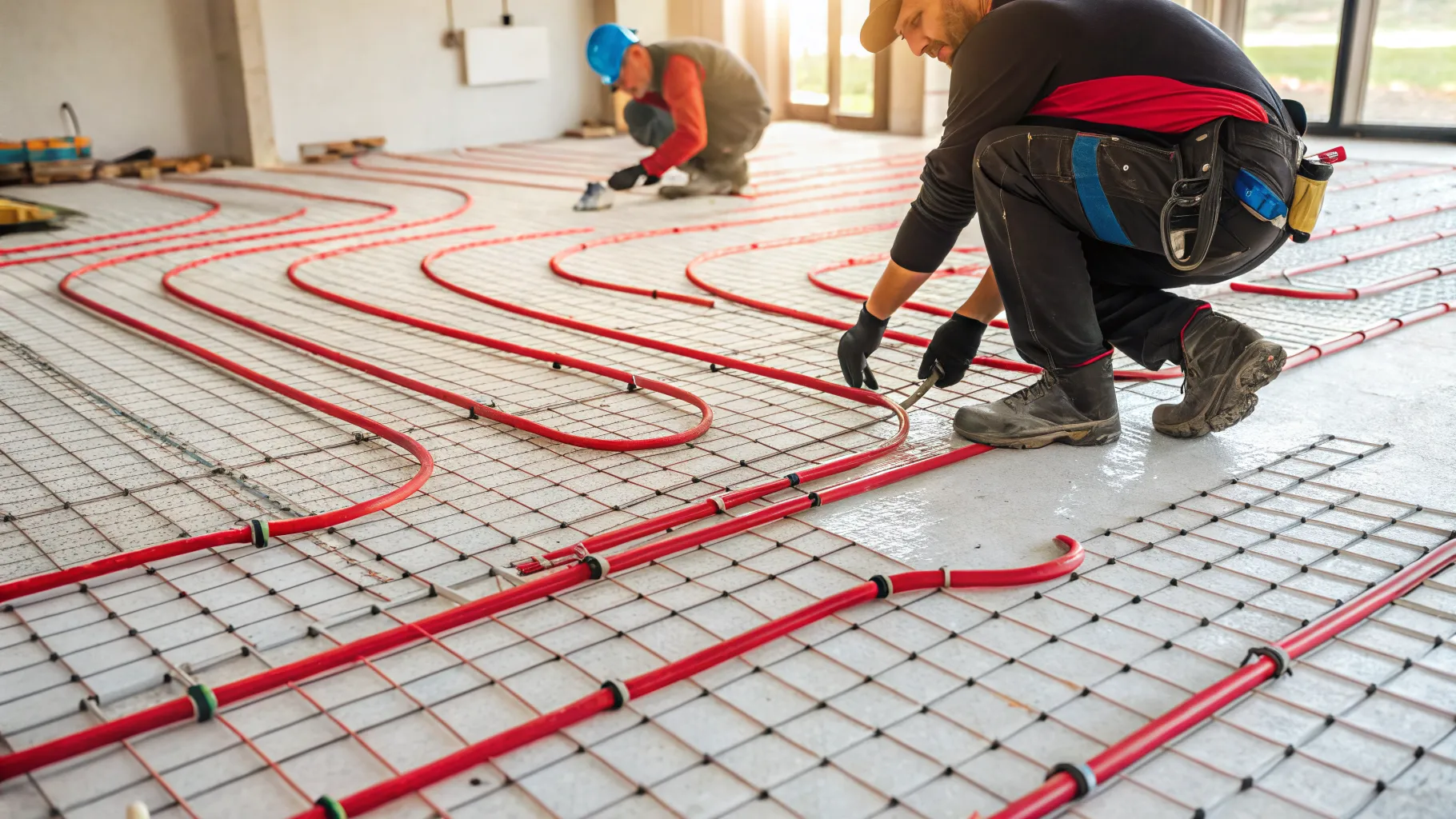
The primary determinant of the radiant floor heating installation cost is the type of system chosen: hydronic or electric. Hydronic radiant floor heating systems circulate heated water through PEX tubing embedded in the floor, connected to a boiler or water heater. While the initial setup for hydronic systems tends to be higher due to the boiler, manifold, and extensive piping, they are often more energy-efficient for larger areas, leading to lower long-term operating costs. Conversely, electric radiant floor heating systems use electric cables or mats installed under the flooring, directly warming the space. These systems are generally less expensive to install, particularly for smaller rooms like bathrooms or kitchens, but can incur higher operational costs in regions with high electricity prices. The decision often boils down to the scale of the project and long-term energy considerations.
Size and Scope of Installation
Naturally, the larger the area you intend to heat, the higher your radiant heat cost per square foot will be in total. The square footage directly impacts the amount of material required—be it PEX tubing, electric mats, insulation, or screed. Furthermore, the complexity of the layout, including multiple rooms, irregular shapes, or areas requiring specialized zoning, will increase both material and labor costs. Installing radiant heat throughout an entire home will inherently be a more substantial investment than outfitting a single bathroom.
Labor and Regional Rates
Labor is a significant component of the heated floor system price. The expertise required for proper installation, especially for complex hydronic radiant floor heating systems, means that professional installers command reasonable rates. These rates can vary widely based on your geographical location, with urban areas typically having higher labor costs than rural ones. It’s essential to obtain multiple quotes from qualified professionals to ensure competitive pricing and experienced workmanship for your radiant floor heating installation cost.
Subfloor Preparation and Materials
The condition of your existing subfloor and the type of flooring material chosen can also influence the underfloor heating cost. Some installations might require extensive subfloor preparation, such as leveling or adding insulation, which adds to the labor and material expenses. Additionally, the type of finished flooring (e.g., tile, engineered wood, concrete) affects installation methods and potentially the efficiency of the system. Ensuring proper insulation beneath the radiant system is critical to prevent heat loss downwards, impacting both initial cost and long-term operational efficiency.
A Deep Dive into Hydronic Radiant Floor Heating Systems vs. Electric Radiant Floor Heating Systems
Choosing between hydronic radiant floor heating systems and electric radiant floor heating systems is a pivotal decision that impacts both the initial radiant floor heating installation cost and long-term operational expenses. Hydronic systems, while requiring a higher upfront investment for boilers, pumps, and extensive PEX tubing, excel in heating larger areas efficiently. Their operating costs are typically lower, especially when coupled with natural gas or geothermal heat sources, making them a wise long-term choice for whole-house heating. The warmth from hydronic systems is often described as a more enveloping, consistent heat, ideal for primary heating. Maintenance for hydronic systems involves periodic checks of the boiler and plumbing, similar to a conventional hot water heating system. On the other hand, electric systems offer a more straightforward and less expensive installation, making them popular for smaller spaces or specific zones like bathrooms, kitchens, or entryways where a quick boost of warmth is desired. They eliminate the need for a boiler and complex piping, simplifying the installation process. However, their operating costs are directly tied to electricity prices, which can fluctuate and be higher than natural gas or other fuel sources. While less expensive to install, careful consideration of utility rates is essential to avoid surprisingly high bills over time. Both systems deliver the unparalleled comfort of warm floors, but their economic profiles and ideal applications differ significantly, influencing your total heated floor system price.
Maximizing Value: Smart Tips for Your Heated Floor System Price
Investing in a radiant floor heating system is a significant decision. By employing smart strategies, you can optimize your heated floor system price without compromising on quality or comfort. Careful planning and informed choices can lead to substantial savings and a more efficient system overall, mitigating the overall radiant floor heating installation cost.
- Get Multiple Quotes: Always solicit at least three detailed quotes from different licensed and reputable contractors. This allows you to compare labor costs, material specifications, and project timelines, ensuring you get the best value for your underfloor heating cost.
- Consider DIY for Smaller Areas (Electric): For very small areas like a single bathroom, confident DIYers might consider installing an electric radiant floor heating system themselves to save on labor costs. However, always consult with an electrician for final hook-up and ensure adherence to local building codes.
- Bundle with Other Renovations: If you're already undergoing a major renovation that involves tearing up floors, consider installing radiant heating concurrently. This can reduce the labor costs associated with floor removal and reinstallation, optimizing your total radiant heat cost per square foot.
- Choose the Right Flooring: Certain flooring materials, like tile and concrete, conduct and retain heat more effectively, maximizing the efficiency of your radiant system. While not directly reducing installation cost, choosing optimal materials can lower your long-term energy bills.
- Insulate Properly: Ensure adequate insulation is installed beneath the radiant system. This prevents heat from escaping downwards, directing it efficiently into your living space and reducing overall energy consumption, thereby lowering operational costs.
- Zone Your System: For larger homes with hydronic radiant floor heating systems, consider zoning. This allows you to heat only the areas you are using, preventing energy waste in unoccupied rooms and providing greater control over your heating expenses.
Frequently Asked Questions
What factors contribute most to the radiant floor heating installation cost?
The primary factors influencing the radiant floor heating installation cost include the type of system (hydronic vs. electric), the total square footage to be heated, labor rates in your region, and any necessary subfloor preparation or specialized materials. Each element plays a crucial role in the final heated floor system price.
Is electric or hydronic radiant heat more expensive to operate?
Generally, electric radiant floor heating systems have lower installation costs but higher operating costs, especially in areas with expensive electricity. Hydronic radiant floor heating systems have higher initial installation costs but typically lower operating costs, particularly for larger areas or when connected to efficient boilers or alternative energy sources, impacting your long-term underfloor heating cost.
How does the type of flooring affect the radiant heat cost per square foot?
While the flooring type doesn't directly alter the installation cost of the heating elements themselves, certain materials like tile, stone, and concrete are excellent heat conductors and will make your system more efficient, potentially saving on operating costs. Engineered wood can also work well, but carpet and some solid hardwoods are less ideal due to their insulating properties, which can increase the energy needed to heat the room.
References
- National Association of Home Builders
- Department of Energy Residential Heating Guide
- Radiant Panel Association Industry Standards
- Heating, Ventilating, and Air Conditioning (HVAC) Journals
Authored by 24Trendz team