Navigating the Top 7 Most Complex Orthopedic Procedures and Their Intensive Rehabilitation Periods
Facts:
- Complex orthopedic procedures often require lengthy recovery.
- Trends show personalized **orthopedic rehabilitation** plans improve outcomes for patients.
Unveiling the Intricacies of Highly Demanding Orthopedic Interventions
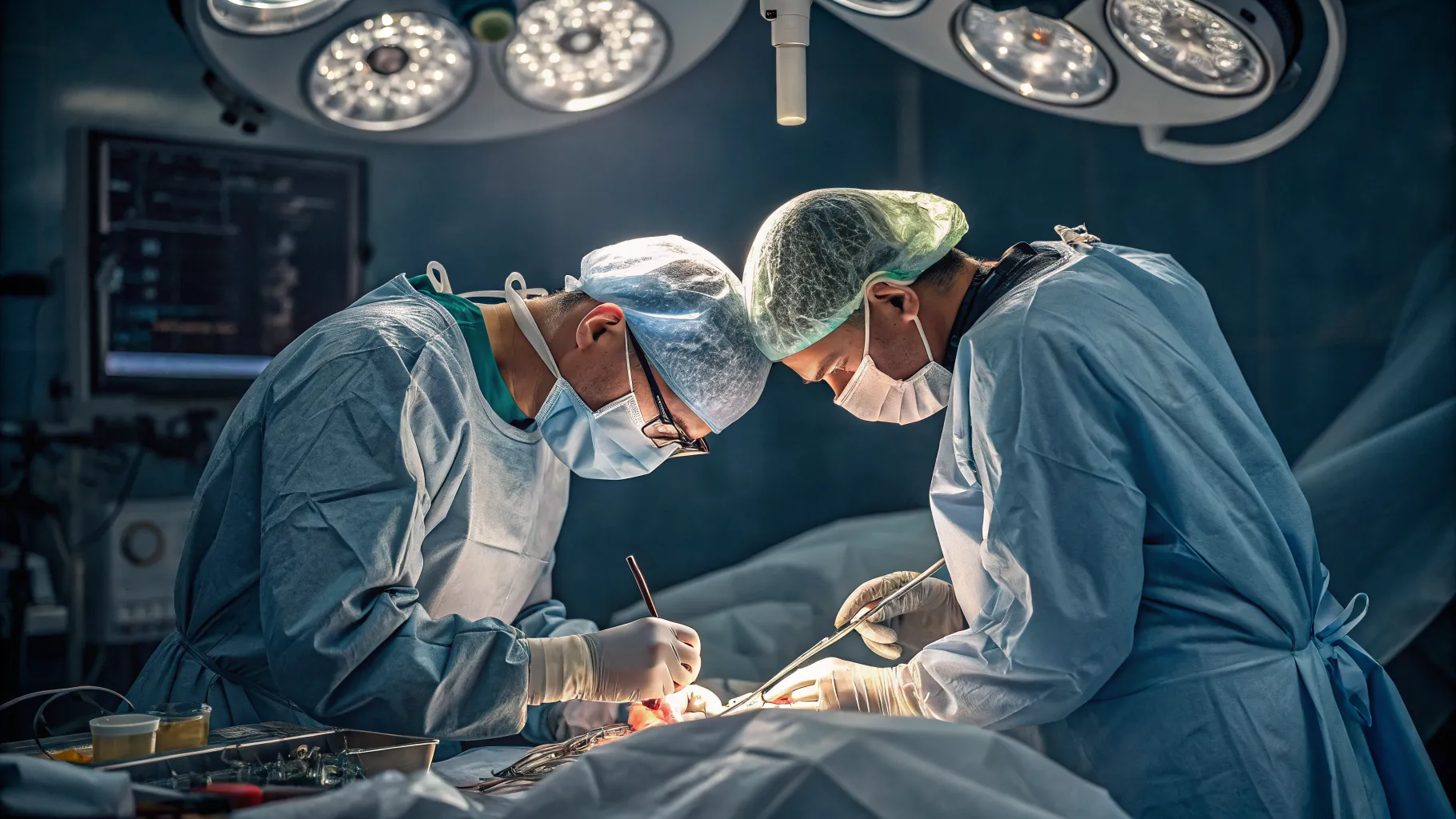
Orthopedic medicine continually pushes the boundaries of human recovery, yet certain interventions remain exceptionally challenging due to their invasiveness, anatomical complexity, and the demanding nature of their subsequent recovery. These **complex orthopedic procedures** require not only immense surgical skill but also a dedicated and prolonged period of **orthopedic rehabilitation** for patients to regain function and quality of life. Understanding the scope and intensity of these surgeries is crucial for both patients and healthcare providers as they navigate the often-arduous path to recovery.
Exploring the Top 7 Most Complex Orthopedic Procedures
The following procedures are widely recognized for their intricate surgical demands and the extensive **orthopedic rehabilitation** required post-operatively.
1. Spinal Fusion Surgery
Spinal fusion surgery involves joining two or more vertebrae together to stabilize the spine, correct deformities, or alleviate pain caused by conditions like scoliosis, degenerative disc disease, or spinal stenosis. This procedure is incredibly delicate, as it operates in close proximity to the spinal cord and major nerves. The complexity arises from the need for precise instrumentation, bone grafting, and the potential for neurological complications. Post-operative care is critical, often involving bracing and a gradual increase in activity over several months to ensure successful fusion and prevent non-union, making **orthopedic rehabilitation** a cornerstone of recovery.
2. Total Joint Replacement Revision Surgery
While primary **joint replacement surgery** (hip, knee, shoulder) is common, revision surgery is far more complex. This procedure involves removing a previously implanted, failed prosthesis and replacing it with a new one. Challenges include significant bone loss, scar tissue, infection, and the need for specialized implants. The surgical field can be distorted, and the structural integrity of the surrounding bone is often compromised, requiring meticulous planning and execution. The recovery period for revision surgery is typically longer and more painful than primary replacement, demanding a highly structured **orthopedic rehabilitation** program.
3. Limb Lengthening and Reconstruction
Limb reconstruction and lengthening procedures, often utilizing external fixators or internal rods, are used to correct significant limb length discrepancies, congenital deformities, or non-union fractures. These procedures involve carefully cutting the bone (osteotomy) and gradually separating the bone segments, allowing new bone to form in the gap. This process, known as distraction osteogenesis, can take months or even years. The complexity lies in managing bone regeneration, preventing infection at pin sites, and enduring a protracted period of functional impairment. Patients undergo intensive physical therapy throughout the lengthening phase and beyond, emphasizing the critical role of specialized **orthopedic rehabilitation**.
4. Pelvic and Acetabular Fracture Repair
Fractures of the pelvis and acetabulum (the hip socket) are often the result of high-energy trauma, such as car accidents or falls from height. These fractures are considered among the most challenging due to the complex anatomy of the pelvic ring, the proximity to major blood vessels and nerves, and the significant force required to cause them. Surgical repair demands extensive dissection, precise reduction of fragments, and stable internal fixation. The weight-bearing restrictions and prolonged immobilization necessary for healing make the **orthopedic rehabilitation** process particularly arduous, requiring careful progression to avoid re-injury.
5. Massive Rotator Cuff Tear Repair
While many rotator cuff tears are treatable with arthroscopy, massive, chronic tears often involve multiple tendons and significant retraction, making them far more challenging. These repairs may require complex reconstructive techniques, including tendon transfers or superior capsule reconstruction, to restore function and alleviate pain. The procedure is delicate, aiming to reattach viable tissue or substitute it effectively. The long and slow **orthopedic rehabilitation** period is critical to prevent re-tear, emphasizing gentle range-of-motion exercises before strengthening, with full recovery taking up to a year or more.
6. Osteosarcoma Resection with Reconstruction
Osteosarcoma, a type of bone cancer, often necessitates radical resection of the tumor, which can involve removing a significant portion of a long bone (e.g., femur, tibia). The challenge lies in achieving clear margins while preserving limb function. Following tumor removal, complex reconstructive surgery is required, often involving allografts, endoprostheses, or specialized techniques like rotationplasty. The **orthopedic rehabilitation** is multifaceted, addressing both oncological recovery and functional restoration of the limb, often complicated by chemotherapy side effects and the extensive nature of the surgical reconstruction.
7. Multi-Ligament Knee Reconstruction
A multi-ligament knee injury involves the rupture of two or more of the major knee ligaments (ACL, PCL, MCL, LCL), often sustained in high-impact sports or trauma. This type of injury is extremely debilitating and requires a highly skilled surgical approach to reconstruct multiple ligaments using grafts. The surgical complexity is high due to the interwoven anatomy and the need to achieve precise tensioning of each new ligament. The subsequent **orthopedic rehabilitation** is exceptionally demanding, involving prolonged non-weight-bearing, restricted range of motion, and a carefully staged return to activity over many months to ensure knee stability and prevent graft failure.
The Varied Landscape of **Orthopedic Rehabilitation**
The journey through **orthopedic rehabilitation** after these **complex orthopedic procedures** is as varied as the surgeries themselves. For spinal fusion surgery, rehabilitation focuses on core stability and gradual spinal mobility, avoiding excessive twisting or bending. Patients undergoing revision **joint replacement surgery** face challenges of pain management and strengthening muscles that have been compromised by previous surgeries or implants. **Limb reconstruction** necessitates constant monitoring of bone growth and nerve function, alongside intensive physical therapy to maintain joint mobility and muscle strength during the lengthening phase. Pelvic and acetabular fracture repair demands strict adherence to weight-bearing restrictions and a slow, cautious return to mobility. For massive rotator cuff repairs, the emphasis is on protecting the repair while slowly regaining shoulder motion and strength. Osteosarcoma resection rehabilitation integrates oncology treatment with functional recovery, often adapting to the effects of chemotherapy. Finally, multi-ligament knee reconstruction requires meticulous attention to protecting the newly reconstructed ligaments while restoring full range of motion and strength, often spanning over a year. Each journey is unique, demanding resilience from the patient and expertise from the rehabilitation team.
Optimizing Your **Post-Surgical Recovery** Journey
- Adhere Strictly to Protocols: Follow all surgeon and physical therapist instructions regarding weight-bearing restrictions, exercises, and activity modifications. Deviating from the plan can lead to complications and delay healing.
- Engage Actively in Physical Therapy: View physical therapy as a critical component of your recovery, not just an option. Consistent and correct execution of exercises is paramount for regaining strength, flexibility, and function.
- Manage Pain Effectively: Uncontrolled pain can hinder your ability to participate in rehabilitation. Work with your medical team to develop a comprehensive pain management strategy, including medication and non-pharmacological methods.
- Maintain a Healthy Lifestyle: Proper nutrition, adequate hydration, and sufficient sleep are vital for tissue healing and overall recovery. Avoid smoking and excessive alcohol, as these can impair healing processes.
- Seek Psychological Support: The journey through **complex orthopedic procedures** and long rehabilitation can be emotionally challenging. Don't hesitate to seek support from family, friends, support groups, or mental health professionals.
Frequently Asked Questions
What are the biggest risks associated with **complex orthopedic procedures**?
The biggest risks include infection, blood clots, nerve damage, non-union (when bones fail to fuse), implant failure, and prolonged pain. The specific risks vary depending on the procedure and individual patient factors.
How long does **orthopedic rehabilitation** typically last after these complex surgeries?
The duration of **orthopedic rehabilitation** varies significantly, ranging from several months to over a year. Procedures like **spinal fusion surgery** or **limb reconstruction** often require the longest rehabilitation periods, sometimes extending for 12-24 months or more, depending on the severity of the initial condition and the body's response to treatment.
Can I fully recover from these **complex orthopedic procedures**?
While the goal is always full recovery, the extent can vary. Many patients achieve excellent functional outcomes and return to most daily activities. However, some may experience residual limitations or require ongoing management. Patient commitment to **orthopedic rehabilitation** significantly influences the outcome.
References
- American Academy of Orthopaedic Surgeons. Surgical Procedures.
- Journal of Bone and Joint Surgery. Complex Orthopedic Reconstructions.
- National Institutes of Health. Research on Musculoskeletal Conditions.
- Mayo Clinic. Orthopedic Surgery and Rehabilitation Programs.
Authored by 24Trendz team