Custom Printed Apparel: An Evidence-Based Guide to Methods, Materials, and Compliance
Custom printed apparel covers the production of personalized T-shirts, hoodies, polos, hats, jackets, uniforms, and related merchandise for businesses, teams, events, creators, and organizations. Available decoration methods differ in appearance, fabric compatibility, durability, production scale, and preparation requirements, so the central decision is not simply which design to use, but how that design should be applied to a specific garment.
What Custom Printed Apparel Includes
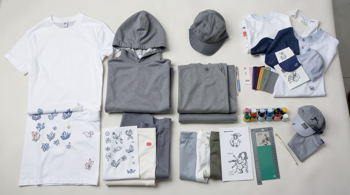
Custom apparel can include screen-printed shirts, embroidered polos, decorated hoodies, outerwear, workwear, team jerseys, headwear, bags, patches, and small accessories. Threadbird describes a production model spanning screen printing, embroidery, custom cut-and-sew work, promotional products, and fulfillment, while MadeFits groups merchandise into T-shirts, hoodies, headwear, accessories, patches, and home or office items. 12
The intended use affects garment selection. Staff clothing may prioritize consistent sizing and repeatability, event apparel may emphasize visibility and quantity, while creator merchandise may require detailed artwork and varied product types. Custom Ink identifies T-shirts, hoodies, polos, and other garments as common business apparel categories, and notes that branded clothing can support recognition and a coordinated appearance. 4
Major Decoration Methods
Screen printing applies ink through prepared screens and is generally associated with larger quantities and designs using relatively few solid colors. Threadbird lists plastisol, discharge, and water-based inks among its options, while Wearlets characterizes screen printing as vibrant and suitable for cost-efficient larger runs. These choices can alter texture, opacity, hand feel, and compatibility with light or dark garments. 15
Direct-to-garment printing is suited to detailed, full-color artwork and smaller production runs, while heat transfer printing is commonly used for names, numbers, and variable designs. Sublimation is associated with all-over decoration and sportswear, particularly when the garment and fiber composition support the process. Embroidery creates stitched rather than ink-based decoration and is frequently used for polos, hats, jackets, and structured garments. 57
Garments, Fibers, and Design Preparation
Garment choice involves more than color and size. Relevant variables include shirt or outerwear style, fit, fabric, surface area, garment weight, and whether the item is structured or flexible. Threadbird identifies crew-neck and V-neck T-shirts, tanks, hoodies, outerwear, raglans, ringer shirts, sweatshirts, long sleeves, and polos among common apparel categories. 1
Artwork preparation should account for the selected decoration method, placement, scale, contrast, and the number of colors. Custom Ink reports that effective work-shirt designs commonly use clean logo placement, readable text, strong contrast, and sizing appropriate to the decoration process. Digital proofs or mockups help establish placement before production, but a proof does not eliminate the need to confirm spelling, dimensions, garment colors, and size quantities. 48
Quantity, Fulfillment, and Production Models
Order volume can affect production suitability and per-item economics, but the exact outcome depends on the garment, decoration method, number of print locations, artwork preparation, and supplier workflow. Custom Ink describes a broad expectation of approximately $8 to $25 for many custom T-shirts, with style, method, and quantity affecting the result. That range is a general reference, not a guaranteed quote or current market price. 4
Print-on-demand changes the inventory model by producing a garment after an order is placed, which can reduce the need to hold finished goods. Printful describes made-to-order fulfillment for businesses and creators, while Printify explains that sellers can offer customized clothing without purchasing inventory in advance. This model can introduce other considerations, including dependence on production partners, shipping coordination, product consistency, and the handling of returns or defects. 1112
Quality Control and Common Friction Points
Quality control should examine artwork alignment, print opacity, color consistency, embroidery density, thread trimming, garment measurements, seams, and final packaging. Wearlets states that its process includes multiple quality checks per order, while AMBRO Manufacturing describes hands-on oversight from initial discussion through final inspection. Such statements illustrate process controls, but they should not be treated as universal industry guarantees or as evidence that every decorated garment will perform identically. 35
Common friction points include unsuitable artwork files, unclear placement instructions, incorrect size breakdowns, incompatible fabrics, missed deadlines, and differences between digital color previews and physical garments. Some providers accept formats such as AI, EPS, PDF, PSD, JPG, PNG, and GIF, but accepted formats and file limits vary. A written specification should identify garment style, color, sizes, decoration locations, artwork version, delivery requirements, and approval responsibility. 8
Legal, Labeling, and Safety Responsibilities
Businesses must obtain appropriate permission before reproducing another party’s trademark, logo, character, or copyrighted artwork. The U.S. Patent and Trademark Office explains that trademarks identify and distinguish the source of goods, while the U.S. Copyright Office explains that copyright can protect original artistic works, including artwork used in apparel designs. A customer-supplied file is not automatically proof that the customer owns or may reproduce the design. 1617
U.S. textile products generally require disclosure of fiber content, the responsible business or manufacturer, and country of origin. The Federal Trade Commission also states that care instructions are required for many covered textile wearing-apparel products. The Consumer Product Safety Commission provides guidance concerning federal flammability requirements for clothing and textiles. These obligations create ongoing labeling and safety responsibilities that remain relevant after printing is complete. 131415
Sources
- Threadbird, Custom T-Shirt Printing and Apparel, https://threadbird.com/
- MadeFits, Custom Apparel and Merch, https://madefits.com/
- AMBRO Manufacturing, Custom Shirt Printing, https://www.ambromanufacturing.com/custom-shirt-printing-that-elevates-your-brand/
- Custom Ink, Custom Apparel Guide, https://www.customink.com/blog/custom-apparel-guide/
- Wearlets, Custom Clothing Printing and Embroidery, https://wearlets.com/services/custom-clothing-printing-embroidery/
- UPrinting, Custom Apparel, https://www.uprinting.com/custom-apparel.html
- 4 Star Sourcing, Custom Apparel Printing Services, https://4starsourcing.com/custom-apparel-printing/
- BRANDED, Start Your Project, https://www.brandedscreenprinting.com/start-your-project/
- Printful, Custom Clothing, https://www.printful.com/custom-clothing
- Printify, Custom Clothing, https://printify.com/custom-clothing/
- Federal Trade Commission, Textile Labeling Rules, https://www.ftc.gov/business-guidance/resources/complying-textile-labeling-rules
- Federal Trade Commission, Textiles and Clothing, https://www.ftc.gov/business-guidance/industry/textiles-clothing
- U.S. Consumer Product Safety Commission, Clothing and Textiles, https://www.cpsc.gov/Business--Manufacturing/Business-Education/Business-Guidance/Clothing-Textiles
- U.S. Patent and Trademark Office, What Is a Trademark?, https://www.uspto.gov/trademarks/basics/what-trademark
- U.S. Copyright Office, Copyright FAQs, https://www.copyright.gov/help/faq/faq-general.html
Authored by 24Trendz team