Elegant Evening Wear for Special Occasions: An Analytical Guide to Fabrics, Silhouettes, and Etiquette
Finding elegant evening wear for special occasions requires a careful appreciation of design heritage, textile composition, and event formalwear requirements. Across contemporary high fashion, evening attire functions as a sophisticated expression of style, where the convergence of luxury materials and deliberate craftsmanship sets the tone for black-tie galas, formal receptions, and milestones. Selecting an appropriate garment involves evaluating how fabric weights, structured silhouettes, and delicate embellishments harmonize to fulfill established dress codes. This guide examines the essential structural, aesthetic, and practical factors of modern evening gowns to help readers make informed wardrobe choices.
Defining Modern Evening Wear and Fabrication Dynamics
The foundation of premium evening wear rests on the choice of textile, as different fibers dictate the drape, lustre, and temperature regulation of a gown. Pure silk and high-grade silk blends remain the industry benchmark for luxury gowns due to their natural breathability, moisture-wicking characteristics, and ability to hold vibrant coloration. For example, double-layer silk crepe serves as a classic canvas for intricate printing, as seen in the Italian Anemone print featured in contemporary designer collections 1. These natural fibers provide an airy, lightweight feel that maintains comfort across seasons, making them highly desirable for spring and summer formal weddings.
In contrast, structured evening garments often utilize complex textile blends to achieve voluminous or structured outlines. Designers frequently utilize organza cloque, cotton-silk blends, and polyester backings to build sculptural shapes that do not collapse during movement. The SS26 collections highlight this approach, utilizing mint organza cloque embroidered with intricate floral motifs to create a fit-and-flare drop-waist profile 2. Understanding these material distinctions is crucial, as delicate silks offer fluid, body-skimming drapes, while mixed-fiber cloques and structured brocades provide the rigidity required for bold, architectural statements.
Structural Design and Silhouette Variations
A gown's silhouette defines its architectural presence and dictates how it interacts with the human form. Standard classifications range from sleek columns and dramatic mermaids to classic A-lines and structured drop-waist profiles. A classic deep V-neckline combined with a softly defined waist and a floor-length hemline creates a clean, elongated line ideal for black-tie celebrations 3. This style, often utilizing internal shoulder pads, offers subtle structural definition while maintaining a fluid, light-catching texture that skims the body without restricting movement.
For individuals seeking high-impact structure, architectural A-line silhouettes constructed from heavy fabrics like Italian Mikado provide a distinct counterpoint. These gowns rely on internal structures to support and maintain the sculptural volume of the skirt, beautifully balancing sharp lines with fluid motion 4. Similarly, structured mermaid silhouettes crafted from heavy-weight silk fabric hold their shape to emphasize a dramatic contour, often incorporating oversized bows or cascading ruffle detailing 5. These design choices allow the wearer to project a refined, confident aesthetic at high-profile galas or formal pageants.
Embellishment Artistry and Texture Profiles
Surface embellishments elevate evening wear from simple garments to works of wearable art. The application of allover sequins creates a luminous, liquid-like effect that interacts dynamically with ambient venue lighting. Luxury designers utilize Greige and metallic palettes to achieve a subtle shimmer that epitomizes quiet luxury 6. In parallel, modern ateliers employ vertical sequins to visually elongate the figure, pairing them with intricate, hand-stitched beadwork along high-neck collars or delicate short sleeves to build a captivating visual focal point 7.
Heavily embellished garments require precise balance between the weight of the ornamentation and the strength of the underlying fabric. Gowns featuring beaded bodices cascading into heavily sequined skirts rely on fully lined silk and polyester blends to distribute weight evenly across the shoulders and waist 8. Furthermore, strapless gowns often use detailed swirl pattern beadwork to shape and sculpt the torso, adding a dramatic high slit for both ventilation and red-carpet allure 9. These elaborate textures demand careful personal styling, as the gown's surface detail serves as the primary accessory.
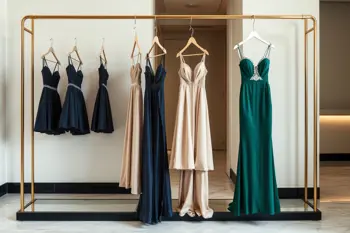
Dress Code Protocols for High-End Events
Understanding formal dress codes is essential to selecting appropriate evening wear for any special occasion. Traditional event invitations specify guidelines ranging from black-tie optional to strict white-tie requirements, which set clear expectations for length and style 10. While white-tie events require the absolute peak of formalwear, black-tie events standardly dictate that female guests wear full-length evening gowns and male guests wear structured tuxedos 11. These guidelines help prevent underdressing and ensure a cohesive, sophisticated atmosphere across the entire gathering.
For modern charity dinners, corporate galas, and evening wedding receptions, off-the-shoulder maxi gowns in controlled metallic or deep dark finishes offer a versatile solution. An off-the-shoulder neckline draped softly across the collarbone, paired with subtle crystal waist accents, reads as highly considered without being overly loud 12. Selecting classic colors such as black, deep navy, or rich neutral tones further ensures compliance with traditional formal etiquettes 13. This careful approach allows the wearer to move seamlessly between formal cocktail hours and grand sit-down dinners.
The Role of Custom Tailoring and Sizing Precision
An exceptional evening gown relies heavily on a perfect fit, which is rarely achieved straight off the hanger. Because formalwear fabrics are non-stretchy and highly structured, professional tailoring and alterations are standard requirements for high-end events 14. Tailoring adjustments typically focus on perfecting the hemline relative to the wearer's heel height, taking in the bodice to secure strapless designs, and adjusting shoulder straps to prevent slipping. Ensuring a precise fit not only enhances the gown's visual silhouette but also prevents stepping on long trains or fabric panels during movement.
To assist in selecting the closest base size prior to tailoring, luxury brands provide detailed measurement charts. Accurate measurements of the bust, waist, and hips should be taken with a professional tape measure while keeping it taut but comfortable. The following comparison table outlines representative sizing metrics used across standard European and American sizing scales for elegant evening gowns, illustrating how brand sizes map to physical body dimensions across different manufacturing regions:
| US Size | UK Size | Bust (cm) | Waist (cm) | Hips (cm) |
|---|---|---|---|---|
| 2 | 6 | 80-84 | 60-64 | 88-92 |
| 4 | 8 | 85-89 | 65-68 | 93-96 |
| 6 | 10 | 90-94 | 69-72 | 97-100 |
| 8 | 12 | 95-99 | 73-77 | 101-105 |
Selection Parameters and Maintenance Realities
Choosing the ideal color palette is a vital selection parameter, heavily influenced by the season and the event's location. Traditional formalwear collections frequently prioritize classic black, rich navy, and sophisticated jewel tones like emerald or deep burgundy 15. However, high-gloss eveningwear collections also embrace bold cardinal reds for sculptural designs 16, or organic sage greens paired with champagne tulle for a softer, fairytale-inspired aesthetic 17. These diverse color avenues allow wearers to express personal style while respecting the seasonal theme of the celebration.
Maintaining the structural integrity of high-end evening gowns requires rigorous care and careful storage. Heavily embellished, sequined, or delicate silk garments must be dry cleaned exclusively by specialists who understand how to handle heat-sensitive details and non-stretchy backings. Gowns should be stored in breathable cotton garment bags rather than plastic covers to prevent moisture buildup, and hung using internal hanger ribbons to avoid stretching the delicate shoulder seams. Following these strict maintenance protocols ensures that these investment pieces preserve their structural shape and delicate luminosity for future special occasions.
Sources
- Akris Inc. - Long Silk Gown with Anemone Print
- ERDEM - Embroidered Organza Drop Waist Gown
- Jenny Packham - Odina Gown
- ByVarga - Trish Evening Gown
- Naked Dresses - Selvara Strapless Gown
- Akris Inc. - Long Sequined Evening Gown
- Jenny Packham - Madeleine Gown
- Jenny Packham - Only You Gown
- Naked Dresses - Valenne Gown
- The Knot - Formal Dress Code Guide
- WeddingWire - Wedding Guest Attire & Dress Code
- Luna Fashion House - Iris Off-Shoulder Gown
- Macy's - Special Occasion Guidance
- David's Bridal - Alterations Services
- Nordstrom - Evening Gown Sizing & Selection
- Jenny Packham - Phara Gown
- JULYTWO Atelier - Garbis Dress
Authored by 24Trendz team