Recognizing early warning signs of bile duct cancer: A clinical evidence briefing
Recognizing early warning signs of bile duct cancer can be difficult because the disease may initially cause few or nonspecific symptoms. The most informative early pattern often involves impaired bile drainage, including jaundice, dark urine, pale stools, and persistent itching, although these findings can also result from noncancerous conditions. 1
What bile duct cancer is
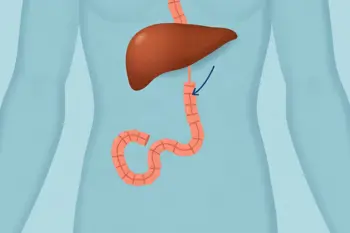
Bile duct cancer, medically known as cholangiocarcinoma, begins in the thin tubes that carry bile from the liver and gallbladder to the small intestine. Bile supports fat digestion and helps carry waste products from the liver. Tumors may develop inside the liver in smaller intrahepatic ducts, near the liver at the perihilar region, or farther down in the extrahepatic or distal ducts. 2
The disease is rare, and most bile duct cancers are adenocarcinomas arising from gland cells that line the ducts. Because symptoms depend partly on a tumor’s location and whether it narrows or blocks bile flow, two people with the same cancer type may experience different warning signs. Some tumors remain clinically quiet until they become larger or obstructive. 1
Why early symptoms are often missed
Early cholangiocarcinoma can resemble common digestive, gallbladder, liver, or viral illnesses. Mild upper-abdominal discomfort, fatigue, reduced appetite, nausea, or gradual weight loss may not immediately suggest a bile duct disorder. A Vanderbilt patient account described symptoms that began as a small stitch in the side and later progressed to stomach problems and pain with eating, illustrating how nonspecific the initial presentation can be. 4
Symptoms may also appear only after bile drainage is impaired. When bile cannot move normally into the intestine, bilirubin can accumulate in the bloodstream and produce visible jaundice. The American Cancer Society notes that many bile duct cancers are discovered after a person seeks medical attention for symptoms rather than through routine screening, making recognition of persistent or changing symptoms important. 6
Changes linked to blocked bile flow
Jaundice is a key warning sign and may appear as yellowing of the skin or the whites of the eyes. Other changes associated with obstruction include dark urine, gray or clay-colored stools, and generalized itching. Penn Medicine describes these symptoms as typical consequences of narrowing or blockage in the bile ducts, while persistent itching without an obvious rash may be particularly easy to attribute to dry skin or allergies. 3
- Yellowing of the skin or eyes
- Urine that becomes noticeably darker
- Stools that become pale, gray, or clay-colored
- Persistent or intense itching, sometimes worse at night
These signs do not establish a cancer diagnosis. Gallstones, inflammation, infections, liver disease, and other obstructions can also interfere with bile flow. However, jaundice or a combination of dark urine, pale stools, and itching represents a clinically meaningful pattern that warrants medical evaluation rather than being explained only by dehydration, diet, or skin irritation. 7
Other symptoms to recognize
Possible symptoms beyond cholestasis include pain in the upper abdomen, particularly on the right side, unexplained weight loss, loss of appetite, nausea, vomiting, and fatigue. Fever or chills may occur when a blocked duct becomes inflamed or infected. The intensity of abdominal pain varies, and some patients may have little discomfort despite significant bile obstruction. 3
An enlarged liver or gallbladder, abdominal fluid buildup, tenderness, or a palpable lump may be identified during a clinical examination in some cases. These findings are not present in every patient and are not specific to cholangiocarcinoma. A gradual cluster of symptoms is generally more informative than one isolated complaint, especially when digestive changes occur alongside jaundice or altered urine and stool color. 6
Risk factors and associated conditions
Research sources identify several conditions associated with a higher likelihood of bile duct cancer, although having a risk factor does not mean that cancer will develop. These include primary sclerosing cholangitis, ulcerative colitis, cirrhosis, chronic liver disease, and infections with liver fluke parasites. Inflammatory bowel disease and diseases that cause long-term inflammation or scarring of the bile ducts are particularly relevant to clinical history. 1
Older age and family history may also be associated with increased risk. Harvard Health identifies links with ulcerative colitis, cirrhosis, liver fluke infection, and sclerosing cholangitis, while UNC Health notes that inflammatory bowel disease and liver diseases can increase risk. These associations support careful attention to new symptoms in people with known biliary or liver conditions, but they do not replace diagnostic testing. 5
How clinicians investigate concerning signs
Evaluation generally begins with a medical history and physical examination. Clinicians may ask about the timing of jaundice, itching, pain, appetite changes, weight loss, fever, previous liver or bile duct disease, inflammatory bowel disease, and relevant infections. The examination may assess the abdomen for tenderness, fluid, lumps, or enlargement of the liver or gallbladder, while also checking the skin and eyes for jaundice. 6
If symptoms or examination findings raise concern, laboratory tests, imaging studies, and other procedures may follow. Blood tests can assess liver-related abnormalities and bilirubin, while imaging can examine the liver, gallbladder, and biliary system for narrowing, blockage, or a mass. Because bile duct cancer can resemble other illnesses, diagnosis requires clinical assessment rather than symptom matching alone. 6
When symptom patterns deserve attention
Persistent unexplained symptoms deserve assessment, particularly when jaundice appears or when itching occurs together with dark urine and pale stools. Fever, chills, or worsening abdominal symptoms may indicate inflammation or infection in a blocked bile duct and should be treated as medically significant. The presence of a symptom does not confirm cancer, but delay can allow an underlying obstruction or other illness to continue without clarification. 8
The central recognition principle is pattern awareness rather than self-diagnosis. Bile duct cancer is rare, and many of its possible symptoms have more common explanations. Nonetheless, persistent jaundice, unexplained weight loss, ongoing upper-abdominal pain, or a combination of bile-flow changes should be discussed with a qualified healthcare professional so that appropriate examination and testing can determine the cause. 2
Sources
- Harvard Health, Gallbladder and bile duct cancer: https://www.health.harvard.edu/cancer/gallbladder-and-bile-duct-cancer-a-to-z
- Mass General Brigham, Bile Duct Cancer Symptoms: https://www.massgeneralbrigham.org/en/health-wellness/gallbladder-and-bile-duct-cancer-diagnosis
- Penn Medicine, Bile Duct Cancer: https://www.pennmedicine.org/conditions/bile-duct-cancer
- Vanderbilt Health, The Symptoms of Cholangiocarcinoma: https://my.vanderbilthealth.com/symptoms-of-cholangiocarcinoma/
- UNC Health, Bile Duct Cancer: https://www.unchealth.org/care-services/areas-of-care/cancer-care/bile-duct-cancer
- American Cancer Society, Tests for Bile Duct Cancer: https://www.cancer.org/cancer/types/bile-duct-cancer/detection-diagnosis-staging/how-diagnosed.html
- ABP Live, Early Symptoms of Bile Duct Cancer That Are Often Overlooked: https://news.abplive.com/lifestyle/abp-live-doc-talk-early-symptoms-of-bile-duct-cancer-that-are-often-overlooked-1830148
- National Cancer Institute, Bile Duct Cancer Treatment: https://www.cancer.gov/types/liver/patient/bile-duct-treatment-pdq
Authored by 24Trendz team