How penile extension devices work: A Clinical and Biophysical Analysis
Understanding how penile extension devices work requires looking past commercial marketing and focusing on the biophysical principles of tissue engineering 1. These instruments function as non-surgical tools designed to stimulate permanent structural changes within the tissue matrix through controlled mechanical forces 2 3.
The Biophysical Principles of Mechanotransduction
The core scientific foundation behind penile extenders is a physiological process known as mechanotransduction 4. When living tissue is subjected to a continuous, low-level stretching force, the physical strain is converted into cellular signals 2. These signals trigger cytokinesis, which is the physical division of cells, leading to tissue growth 3. This clinical concept is widely utilized in reconstructive surgery and orthopedic limb lengthening 4.
During this process, continuous tension creates microscopic tears in the spongiosum and the twin chambers of the corpus cavernosum 5. The body initiates a localized healing response by activating fibroblasts and remodeling collagen networks 6. Over several months, this biological repair cycle increases the physical volume of the treated tissue, facilitating gradual lengthening in both flaccid and erect states 1.
Analyzing Clinical Evidence and Realistic Outcomes
Clinical studies offer a clear distinction between verified data and commercial exaggerations. Peer-reviewed research, including a meta-analysis of over 1,000 patients, confirms that traction-based therapy can yield a mean length gain of 1.3 to 2.3 centimeters, which is approximately 0.5 to 0.9 inches 2. These results require consistent daily usage over a three to six-month treatment window 1. Unlike surgery, traction devices can increase both flaccid and erect length 7.
However, clinical literature demonstrates that these outcomes are highly dependent on user adherence. There is no substantial evidence suggesting that traction therapy can yield meaningful increases in penile girth 1. While some physical adjustments can straighten congenital or acquired curvatures, the structural changes remain confined primarily to the longitudinal axis 3. Additionally, clinical trials note high user dropout rates, often ranging between 30% and 50% 6.
Mechanical Components and Tension Calibration Standards
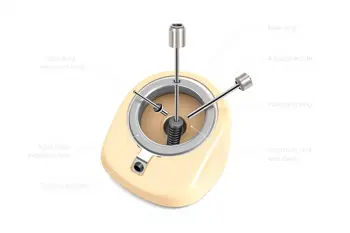
Standard mechanical traction devices consist of a base ring that rests against the pubic bone, dual adjustable metal rods running parallel to the shaft, and a distal cradle to secure the glans 1. The rods are adjusted incrementally over several months to maintain a constant, measured tension as the tissue adapts 1. Some designs utilize a vacuum-based cuff that secures the glans, distributing tension via an elastic waist strap to minimize localized discomfort 7.
Proper calibration is vital to ensure safety and trigger the desired biological response. Medical protocols generally recommend maintaining tension within a therapeutic range of 600 to 1,500 grams of force 2. Operating below this window fails to stimulate cytokinesis, while exceeding 1,500 grams introduces significant risks of tissue damage, ischemia, or nerve compression 2. The following table outlines standard operational parameters from clinical studies:
| Parameter | Standard Clinical Setting | Clinical Purpose |
|---|---|---|
| Daily Wear Duration | 4 to 6 Hours Daily | Maintains cellular strain to trigger cytokinesis 2 |
| Therapeutic Tension | 600 to 1,500 Grams | Stimulates cellular division safely 2 |
| Treatment Protocol | 3 to 6 Months | Allows adequate time for tissue remodeling 1 |
| Primary Dimension Target | Longitudinal Axis | Addresses flaccid and erect length 1 |
Post-Surgical Protocols and Peyronie's Disease Correction
In professional urology, traction therapy is frequently prescribed as a conservative treatment for Peyronie's disease 6. This condition, characterized by the development of scar tissue and painful penile curvature, can be managed using specialized extenders to reshape collagen bonds 3. Controlled mechanical traction helps realign compromised tissue, gradually reducing the angle of curvature and restoring functional symmetry 3.
Beyond curvature correction, traction devices play a critical role in post-surgical rehabilitation following ligamentolysis, or suspensory ligament release surgery 8. During this procedure, the surgeon cuts the suspensory ligament to allow more of the internal shaft to hang externally 8. Without structured post-operative traction, the healing ligament tends to reattach in its original position, neutralizing the surgical gains 8. Consistently wearing an extender post-surgery prevents this reattachment 1.
Distinguishing Traction from Non-Therapeutic Devices
It is essential to separate clinically evaluated traction devices from other male wellness products. Vacuum erection devices, or penis pumps, operate on a completely different physical mechanism 1. They use negative pressure to draw blood into the corpora cavernosa, inducing a temporary erection primarily for managing erectile dysfunction 6. Vacuum pumps do not alter tissue structure permanently and carry separate vascular risks if used incorrectly 6.
Similarly, external accessories like silicone sleeves or weighted rings serve entirely different purposes. Sheath-style sleeves are non-therapeutic, wearable covers intended strictly to add temporary bulk or textured stimulation during intercourse 7. On the other hand, heavy hanging weights or penis hangers are highly discouraged by medical professionals 9. These products lack calibrated tension controls, making them far more likely to cause severe skin tears, permanent nerve damage, or localized loss of sensation 9.
Compliance Realities and Associated Clinical Risks
The primary obstacle to achieving measurable results with penile extenders is patient compliance. To accumulate the minimum of 1,000 hours of tension required to promote permanent cellular adaptation, users must integrate the device into their daily routines for several months 7. This demanding schedule, combined with the physical presence of a rigid mechanical framework, often leads to discomfort and eventual discontinuation of the therapy 7.
Furthermore, improper use or excessive tension can result in several adverse side effects. Users frequently report localized skin irritation, bruising, pain, and temporary numbness in the glans due to restricted blood flow 6. To mitigate these risks, medical guidance emphasizes starting with lower tension settings (around 600 grams) and gradually increasing force only as tissue adapts 2. Regularly checking circulation and taking breaks during wear sessions are critical steps to prevent long-term complications 10.
Sources
- Urosculpt Medical Education
- Sizegenetics
- Men's Genetics
- Andromedical
- PenisExtenderr
- Bolt Pharmacy
- Androfill
- Ubie Doctor's Note
- Ro
- Phallosan Forte Review
Authored by 24Trendz team