Top rated tankless electric water heaters in 2026: An analytical overview of performance and infrastructure
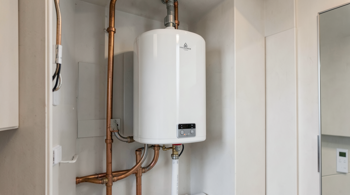
In 2026, the shift toward on-demand water heating continues to gain momentum as homeowners seek to eliminate the energy waste associated with traditional 40- to 80-gallon storage tanks 6. Unlike tank-based systems that maintain a large volume of water at high temperatures regardless of usage, electric tankless units function only when a faucet is opened, utilizing electric resistance elements to heat water as it passes through the system 5. This technology not only saves space but can also reduce water heating energy consumption by 24% to 34% compared to standard models 6. With Uniform Energy Factor (UEF) ratings often reaching 0.96 to 0.99, electric tankless systems are among the most efficient water heating options currently available 6.
Defining Core Performance Metrics
Evaluating an electric tankless unit requires a firm understanding of three primary specifications: flow rate (measured in gallons per minute or GPM), temperature rise (the difference between incoming water and desired output), and electrical capacity requirements 6. A unit that advertises a high flow rate at a 35-degree Fahrenheit rise may see that capacity diminish significantly as the required temperature rise increases, such as during winter months when groundwater temperatures drop 6. Effective performance relies on balancing these variables against a household's simultaneous hot water demand, such as running a shower and a sink concurrently 5.
Infrastructure and Electrical Capacity Requirements
One of the most critical factors in the adoption of electric tankless technology is the requirement for substantial electrical service 5. Many high-capacity whole-home units require 240V power and significant amperage, often necessitating multi-breaker circuits and potential upgrades to a home's existing electrical panel 6, 9. Because these systems can draw between 18 kW and 36 kW of power, they are best suited for properties where the electrical infrastructure can support such loads 6. Homeowners in cold climates may also find that these systems face performance limitations if their total heating capacity cannot match the necessary GPM during peak demand 5.
Market Leaders and System Specifications
Industry data for 2026 identifies several models that consistently rank as top performers based on output, temperature precision, and build quality. The Stiebel Eltron Tempra 36 Plus, for example, is frequently cited for its professional-grade output, capable of serving high-demand homes with its 36kW capacity 3, 4. Similarly, the Rheem RTEX series, including the 24kW model, remains a notable choice for its efficiency and 1-degree increment temperature control, providing a balance between whole-home capability and operational reliability 2, 8. For smaller applications, such as under-sink points of use, units like the Camplux TE06 are frequently noted for their compact design 2.
| Model | Capacity | Best Application | Approx. Price Range |
|---|---|---|---|
| Stiebel Eltron Tempra 36 Plus | 36 kW | Whole-Home/High-Demand | $900 - $1,200 |
| Rheem RTEX-24 | 24 kW | Whole-Home/Value | $400 - $700 |
| Camplux TE06 | 6 kW | Point-of-Use | $150 - $300 |
Maintenance and System Longevity
While electric tankless water heaters are known for longevity, typically lasting 15 to 20 years or more, their performance is heavily dependent on regular maintenance, specifically in regions with hard water 2, 6. Scale buildup can significantly impact the heating elements and the overall efficiency of the unit 3. Consequently, manufacturers and installers often recommend the installation of a whole-house water filter to protect the heating elements from mineral deposits 3. Unlike gas-powered tankless units, electric models do not require combustion venting, which simplifies installation but makes annual descaling and electrical terminal inspection the primary maintenance tasks 6.
Comparative Summary: Efficiency and Costs
When comparing electric tankless heaters to other technologies, the primary benefits are the near-perfect energy efficiency and lower upfront equipment costs, which typically range from $300 to $900 for the unit alone 6. However, installation costs vary widely depending on the need for electrical upgrades, falling between $800 and $2,500 6. While electric units are eligible for various tax credits and are zero-emission at the point of use, they do not function during power outages, a limitation that remains constant across all electric models 6. Ultimately, the decision to install an electric tankless system should be driven by an analysis of peak hot-water flow demands and existing home electrical capacity 5.
Sources
- https://www.bobvila.com/reviews/best-tankless-water-heater-2026/
- https://kayakcambria.com/best-electric-tankless-water-heaters/
- https://homesystemsguide.com/articles/stiebel-eltron-tempra36plus-review-is-it-worth-it
- https://zomgthehandyman.com/blog/best-tankless-water-heater-california
- https://rewiredhome.com/electric-tankless-water-heater/
- https://www.hvacbase.org/tankless-water-heater-guide
- https://www.plumbingguider.com/titan-water-heater-review-2026-efficiency-cost-pros-real-user-experience/
- https://www.bestpick.com/tankless-water-heater/
- https://www.hvacbase.org/electric-vs-gas-tankless
Authored by 24Trendz team