Types of unclaimed goods found at police impound auctions: Reported categories, evidence-handling context, and buyer-side risks
Police impound auctions are widely described as sales of goods acquired by law enforcement through criminal investigations, forfeiture processes, or abandoned-property rules, with many items ending up in public catalogues once holding periods expire. 1
This article focuses on the question implied by the auction format: what types of unclaimed goods are found at police impound auctions, how jurisdictions typically categorize them, and what category-level risks persist even when items are made available for public bidding. 2
Vehicles and other transport assets
Vehicles are frequently reported as the largest share of police-auction inventory, particularly seized or impounded cars that are later sold when they remain unclaimed or when notifications are not answered within statutory timelines. 1 In general explainers, unclaimed impounded vehicles can be sold at public auction or scrapped, with the practical transition described as moving from physical impound to a lien sale or disposal mechanism rooted in state vehicle code and UCC Article 9 processes. 7
These vehicles arrive through multiple intake paths, including parking violations, expired registrations, DUI arrests, and abandoned-vehicle complaints, with storage fees and notification timing shaping when disposal becomes possible. 7 Listings for police-adjacent auctions often describe a range from cars and trucks to motorcycles, and other vehicle categories such as fleet liquidation items. 21 Real notices also show that abandoned or unclaimed vehicles can be declared abandoned and scheduled for auction after a reclaim window lapses. 27
Electronics, consumer devices, and general merchandise
Alongside transport assets, police auctions are described as selling electronics and other personal property that law enforcement acquired during investigations or recovered as lost and found property, then retained in storage until claims were not made. 1 Industry summaries of police auctions also note that lots can include both electronics and general property, with inspection and fault marking described as typical catalogue behavior. 2
Australian auction trackers explicitly list “jewellery, bicycles, tools, electronics, and general household goods” as regular inventory categories, while also describing “surprise lots” as part of how police-recovered and forfeited goods catalogues are assembled. 3 In the unclaimed goods context, other explainers frame such auctions as disposing of undelivered, uncollected, or lost property through licensed auctioneers, which conceptually aligns police impound auctions with a broader “unclaimed goods” taxonomy beyond vehicles. 15
Jewelry, small valuables, and firearms in forfeiture-style catalogues
Small valuables are repeatedly identified as part of police-auction inventories, including jewellery and other compact high-value goods retained in evidence or stored as lost and found items awaiting owner retrieval. 1 A reported catalogue trend for a monthly WA Police forfeited-goods auction is described as including jewellery and artwork, with tools and other categories appearing in the same sale. 3
Forfeiture-leaning sales can include regulated items such as firearms. 3 UK-focused explainers on proceeds-of-crime auctions also describe police-linked routes for auctioning goods that cannot or may not be returned to owners, with lots often including a variety of seized and confiscated property. 2 Jurisdiction-specific handling requirements and catalogue terms matter because regulated items are typically subject to conditions, documentation expectations, and strict inspection disclosure practices. 2
Tools, power equipment, and sporting-related items
Tools and power equipment appear as recurring categories in evidence clear-out auctions and police notices describing unclaimed property liquidation. 8 A Jackson Police Department “evidence auction” report describes clearing out unclaimed bicycles, tools, and other property, with the published list including dozens of bicycles (including e-bikes and mountain bikes) as well as “power tools” and a snowboard. 8 That same report frames the process as requiring public notice and a court hearing step before disposal, which illustrates a legal gating function for tools and similar mid-value property categories. 8
A separate auction tracker describes police forfeited goods auctions as featuring tools and artwork alongside other valuables and regulated items, reinforcing that tools are not limited to a single jurisdiction’s practice. 3 Power-tool-focused guides for police impound auctions similarly describe drills, saws, and other equipment as common items at U.S. police impound auctions, tying tool categories to seized, abandoned, or unclaimed property pathways. 16 Condition and completeness expectations vary, and catalogue fault marking is described as essential for inspection because auctions often sell items “as is” with limited warranty-like protections. 2
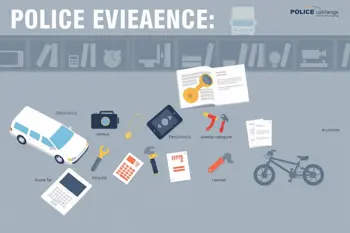
Bicycles, motorcycles, and smaller mobility items
Bicycles and motorcycles are repeatedly described as standard inventory categories at police-related unclaimed property auctions. 3 The Jackson Police Department evidence auction description explicitly lists more than 30 bicycles, including e-bikes and children’s bikes, and it also reports truck wheels and tires as part of the same unclaimed-property liquidation list. 8
In other locations, notices described through auction media also point to motorcycles as frequent auction targets when owners fail to claim property after several notices and prescribed timelines. 20 A Kenya Gazette-based report describes court-approved disposal of motorcycles at a police station after owners did not reclaim them, listing multiple motorcycle models and even scrap metal as the final item in a lot. 20 Across these examples, bikes and motorcycles function as intermediate-size items where ownership proof and serial identification typically matter, and where storage duration drives when auction disposal becomes authorized. 7
Cash, documents, keys, and proof-dependent reclaim items
Police-storage and unclaimed-property discussions frequently include cash, keys, personal documents, and other identity-linked belongings as examples of what qualifies as unclaimed property held in police custody. 12 The unclaimednews.com framing describes property as including everything from vehicles and electronics to personal documents, jewelry, and cash, distinguishing whether an item is evidence in an ongoing case versus “lost and found” awaiting owner retrieval. 12
Notices also show that reclaim processes require proof of ownership and that the window to act can vary widely by jurisdiction. 12 A Virginia NoticeRegistry entry describing unclaimed property held by the Vienna Police Department lists tools, electronics, clothing, money, keys, a weapon, and other items, and it emphasizes proof-of-ownership requirements and disposal consequences if no claim is made. 14 These examples indicate that category-level “what is found” and “who can claim” are tightly linked, especially for identity and security-sensitive items like keys and weapons. 14
What can go wrong: condition faults, title complications, and regulatory friction
Police-auction explainers stress that auctions sell items “as-is” and that refunds are rare, while vehicle titles can become complicated due to the structure of impound-to-disposal processes. 1 This matters for vehicle categories, because the unclaimed vehicle path described as moving from impound to lien sale involves notification requirements and deadlines, so documentation timing affects what becomes legally disposable and what becomes administratively cleared for sale. 7
Inspection and fault disclosure are also central friction points for non-vehicle goods. 2 UK-focused police-auction explainers state that items listed are available for viewing and inspection, and that faulty or damaged goods should be clearly marked and faults outlined during the auction. 2 Real-world evidence auctions also demonstrate procedural friction, because before conversion, sale, or destruction, agencies may need a court permission step and a public notice period. 8 The combined implication for unclaimed goods is that category variety coexists with uneven condition records, variable documentation standards, and jurisdiction-specific legal gates. 8
Practical categorization patterns across jurisdictions
Across jurisdictions and reporting formats, auction catalogues tend to cluster inventory into broad groups that map to storage and evidence-handling realities: vehicles; electronics; jewelry and small valuables; tools and equipment; sporting goods; bicycles and motorcycles; and general household or personal property. 1 Auction Finder’s police auction market reporting in Australia similarly lists jewellery, bicycles, tools, electronics, and general property, with occasional “surprise lots.” 3
Some auction marketplaces and government-surplus platforms also illustrate how police or law-enforcement-adjacent assets are operationally separated from other categories in online listings, even if the buyer-perceived categories overlap. 28 The provided research notes that “seized vehicles” are a major segment in vehicle-focused auction operations, while unclaimed-property programs can cover a wider range of tangible property types beyond vehicles, including cash-like and other property categories conceptually consistent with police storage holdings. 26 The net effect is that “unclaimed goods at police impound auctions” can include multiple legal buckets, even when presented under common inventory labels to bidders. 1
Sources
- LegalClarity: Police Auctions: How They Work and How to Buy
- Wikipedia: Police auction
- Auction Finder (Australia): Inside This Week’s Police Auction Market
- go2tutors.com: Things Sold at Police Auctions for a Fraction of What They Were Originally Worth
- unclaimednews.com: How to Retrieve Your Unclaimed Property From Police Department Storage
- MTAS Tennessee: Disposition of unclaimed, lost, or abandoned personal property in possession of police department
- LegalClarity: Unclaimed Impounded Vehicles: Auction, Disposal, and Equity Loss
- jhnewsandguide.com: Jackson Police Department auction unclaimed property
- JPost: Surprising Police Impound Finds to Look Out for
- MentalFloss: The Vehicle Source Most Buyers Never Consider
- MentalFloss: Where Do Impounded Cars End Up? A Look at What Happens Next
- mytips.com: A Comprehensive Guide to Police Impound Power Tools
- juraplot.com: Police Impound Vehicle Auctions and the American Legal System
- NoticeRegistry (Virginia): Abandonment - Vienna
- Auction Finder (Australia): Inside This Week’s Unclaimed Goods Auction Market
- Noticeregistry (Texas): Abandonment - 5485 Greenwood Dr, Corpus Christi
- wondermapped.com: Understanding Police Impound Vehicle Auctions: Pricing And Bidding Process
- wondermapped.com: Inventory of seized and unclaimed vehicles
- radiogeneration.co.ke: Police set March auctions for unclaimed vehicles and motorcycles
- newshub.co.ke: Aircraft Parts Worth Millions, Cars & Motorcycles Among Items Put on Auction
- kenyans.co.ke: Unclaimed Vehicles and Household Items in Nairobi, Kisii Set for Public Auction
- wondermapped.com: Seized vehicles are often resold at public auctions - Guide
- gulfnews.com: Sharjah Municipality gives owners 4 days to reclaim impounded vehicles or face public auction
- GovDeals
- Public Surplus
- National Association of Unclaimed Property Administrators (NAUPA)
- Copart
- PropertyRoom
Authored by 24Trendz team