Japan And South Korea Cruise: Your Ultimate Voyage Guide
Facts:
- Cruises connect Japan and South Korea in as little as one day at sea.
- A growing trend for East Asia cruises is a focus on culinary shore excursions.
Embark on an Unforgettable Voyage: Exploring Japan and South Korea by Sea
A Japan and South Korea cruise offers an unparalleled opportunity to explore two of East Asia's most captivating nations in a single, seamless journey. This mode of travel combines the convenience and luxury of modern cruising with deep dives into ancient traditions, futuristic cityscapes, and breathtaking natural scenery. From the neon-lit streets of Tokyo to the serene temples of Kyoto and the bustling markets of Busan, a cruise to Japan and Korea presents a kaleidoscope of experiences. This guide will navigate you through crafting the perfect East Asia cruise itinerary, identifying the best times to travel, and uncovering the rich cultural tapestry that makes this region a must-see destination for any world traveler.
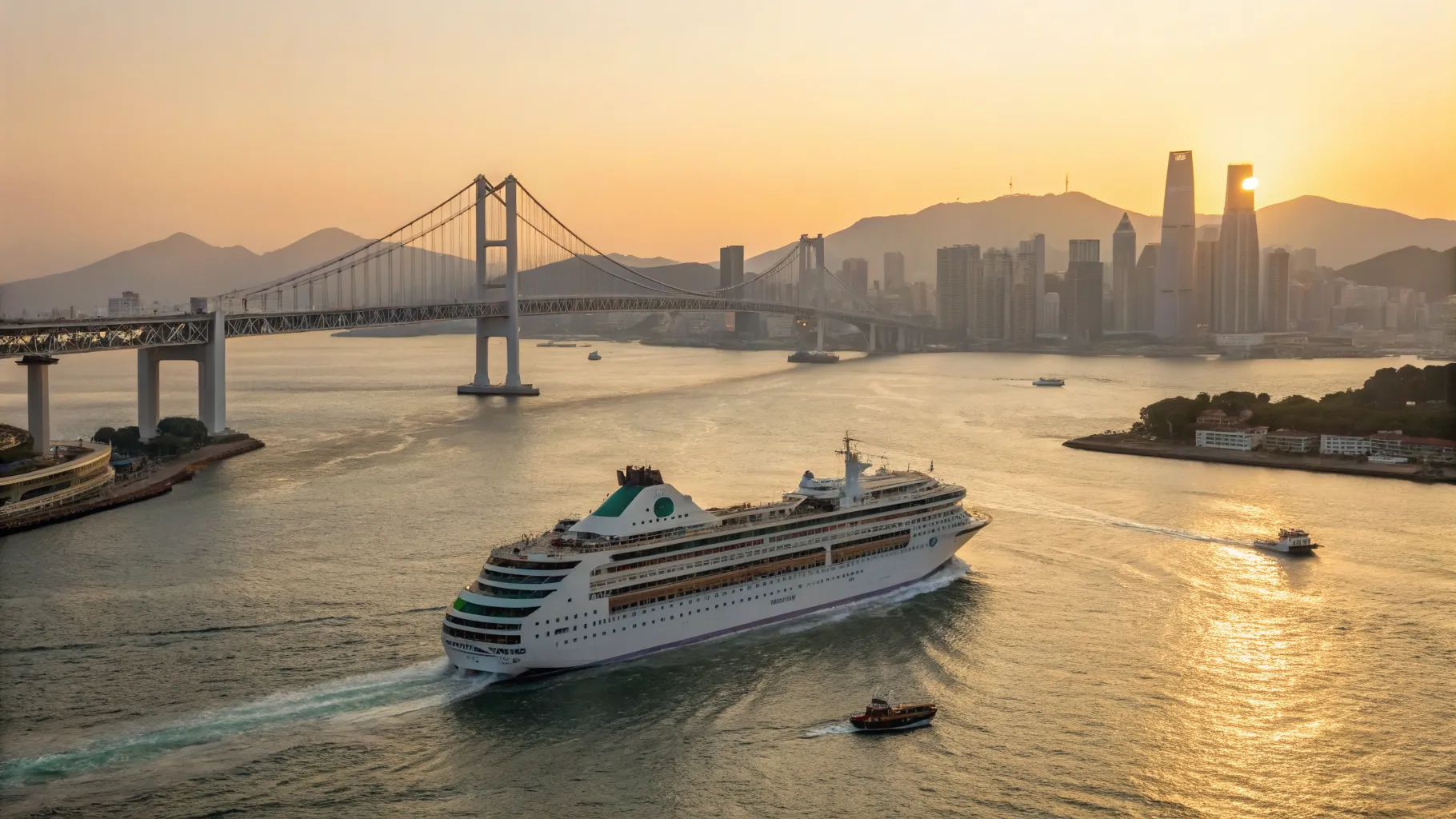
Crafting Your Perfect East Asia Cruise Itinerary
The heart of any great voyage is its route, and a Japan and South Korea cruise provides an incredible array of ports, each with a unique character. Most itineraries are round-trip from major Japanese ports like Tokyo (Yokohama) or Kobe, but some may begin or end in other Asian hubs. A well-designed East Asia cruise itinerary balances sea days with immersive port days. Key Japanese stops often include Tokyo for its blend of imperial history and modern pop culture, Kyoto (accessed via Kobe or Osaka) for its world-renowned temples and geisha districts, and Kagoshima for its dramatic volcanic landscapes. In South Korea, Busan is a staple port, offering a vibrant mix of beaches, mountains, and markets. Some cruises also include Jeju Island, a volcanic paradise known as the 'Hawaii of Korea', or Incheon, the gateway to the dynamic capital city of Seoul. Carefully review each itinerary to ensure it aligns with your interests, whether you're seeking historical sites, natural wonders, or urban exploration. A longer cruise to Japan and Korea allows for deeper exploration of less-traveled ports.
When to Sail: Finding the Best Time for an Asia Cruise
Timing is everything when planning your trip, and finding the best time for an Asia cruise largely depends on what you want to experience. The two most popular seasons are spring (March to May) and autumn (September to November). Spring is famous for Japan's iconic cherry blossom season, which paints the landscape in delicate shades of pink and white, creating a truly magical atmosphere. Autumn offers comfortable temperatures and stunning fall foliage, with vibrant reds, oranges, and yellows providing a spectacular backdrop for your adventures. Summer (June to August) is hot and humid, and it coincides with the typhoon season, which can sometimes lead to itinerary changes. However, it's also a time of vibrant local festivals. Winter (December to February) is cold, especially in South Korea and northern Japan, but offers fewer crowds, clear skies, and the chance to see snow-covered temples, providing a completely different but equally beautiful perspective on these cultural cruise destinations.
Immersing in Culture: Unforgettable Shore Excursions
The true magic of a Japan and South Korea cruise unfolds on land. Shore excursions are your gateway to the region's soul, transforming your trip into a collection of unforgettable memories. These are premier cultural cruise destinations where history and modernity coexist. In Kyoto, you can participate in a traditional tea ceremony, wander through the ethereal Arashiyama Bamboo Grove, or visit the glittering Kinkaku-ji (Golden Pavilion). In Seoul (from Incheon), explore the majestic Gyeongbokgung Palace, delve into the bustling Namdaemun Market, or visit the Demilitarized Zone (DMZ) for a poignant history lesson. In Busan, hike to the Beomeosa Temple, relax on Haeundae Beach, or indulge in fresh seafood at the Jagalchi Fish Market. Booking excursions that align with your passions—be it history, food, art, or nature—is key to a fulfilling cruise to Japan and Korea. Many cruise lines offer curated experiences, but independent exploration is also a rewarding option in these safe and accessible ports.
Comparing Cruise Lines for Your Asian Adventure
Choosing the right cruise line significantly impacts your experience. The market for a Japan and South Korea cruise is diverse, catering to various budgets and travel styles. Luxury lines like Regent Seven Seas and Silversea offer all-inclusive pricing, smaller ships, and highly personalized service, often with a focus on gourmet dining and expert-led excursions. Premium lines such as Celebrity Cruises, Princess Cruises, and Holland America provide a balance of comfort, quality, and value, with a wide range of onboard activities and dining options suitable for couples and mature travelers. For families or those seeking a more high-energy atmosphere, Royal Caribbean and Norwegian Cruise Line offer mega-ships packed with entertainment, from water slides to Broadway-style shows. When selecting, consider not just the price but also the ship's size, onboard culture, dining flexibility, and the types of shore excursions offered to ensure your East Asia cruise itinerary is everything you dreamed it would be.
Expert Tips for a Seamless Cruise to Japan and Korea
A little preparation goes a long way in ensuring a smooth and enjoyable journey. Here are some actionable tips for your upcoming cruise to Japan and Korea.
- Currency and Payments: Prepare to use two different currencies: the Japanese Yen (JPY) and the South Korean Won (KRW). While credit cards are widely accepted in cities, it's essential to have small amounts of local cash for smaller vendors, markets, and transportation.
- Packing Smart: Pack layers of clothing, as temperatures can vary between ports and from day to night. Comfortable walking shoes are non-negotiable, as you'll be doing a lot of exploring. Also, remember to pack any necessary power adapters for your electronics.
- Stay Connected: Consider purchasing a regional eSIM or a portable Wi-Fi device before you leave. While the ship offers internet packages, they can be expensive and slow. Having your own connection makes navigating ports and staying in touch with family much easier.
- Learn Basic Phrases: While English is spoken in major tourist areas, learning a few basic phrases in Japanese ('Arigato' for thank you) and Korean ('Annyeonghaseyo' for hello) is a wonderful sign of respect and can enhance your interactions with locals.
- Book Excursions Wisely: Popular shore excursions, especially during peak seasons like cherry blossom time, can sell out quickly. Research and book your must-do tours in advance, either through the cruise line or with reputable local operators, to avoid disappointment.
Frequently Asked Questions
What is the best time of year for a Japan and South Korea cruise?
The best time for an Asia cruise covering Japan and South Korea is generally considered to be spring (March-May) for cherry blossoms or autumn (September-November) for pleasant weather and beautiful fall colors. These seasons offer the most comfortable conditions for sightseeing.
What currency do I need for a cruise to Japan and Korea?
You will need two currencies for your shore excursions: the Japanese Yen (JPY) in Japan and the South Korean Won (KRW) in South Korea. It is advisable to have some of each currency in cash for small purchases, though credit cards are widely accepted in urban areas.
Are visas required for a Japan and South Korea cruise?
For many nationalities, including citizens of the USA, UK, EU, Canada, and Australia, visas are not typically required for short tourist visits when arriving by cruise ship. However, it is crucial to check the specific visa requirements for your nationality with the embassies of both Japan and South Korea well in advance of your travel.
References
- Official Tourism Board of Japan
- Official Tourism Organization of South Korea
- Cruise Line International Association (CLIA) Reports
- Port Authority of Yokohama Guide
- Busan Port Authority Visitor Information
Authored by 24Trendz team