Your Ultimate Guide to a Transatlantic Cruise From New York
Facts:
- The first scheduled transatlantic passenger service began in 1840.
- A New York to Europe cruise is a bucket-list trip for maritime history buffs.
Embark on the Ultimate Voyage: Your Guide to a Transatlantic Cruise
The allure of the open ocean, the romance of a classic journey, and the thrill of arriving in a new continent by sea—this is the promise of a Transatlantic cruise from New York. This iconic voyage is more than just a trip; it's an experience that harks back to the golden age of travel. Unlike a flight, an ocean liner voyage is a destination in itself, offering days of relaxation, fine dining, and endless ocean vistas. It’s an opportunity to disconnect from the hustle of daily life and reconnect with the rhythm of the sea, all while journeying from the vibrant metropolis of New York to the historic shores of Europe.
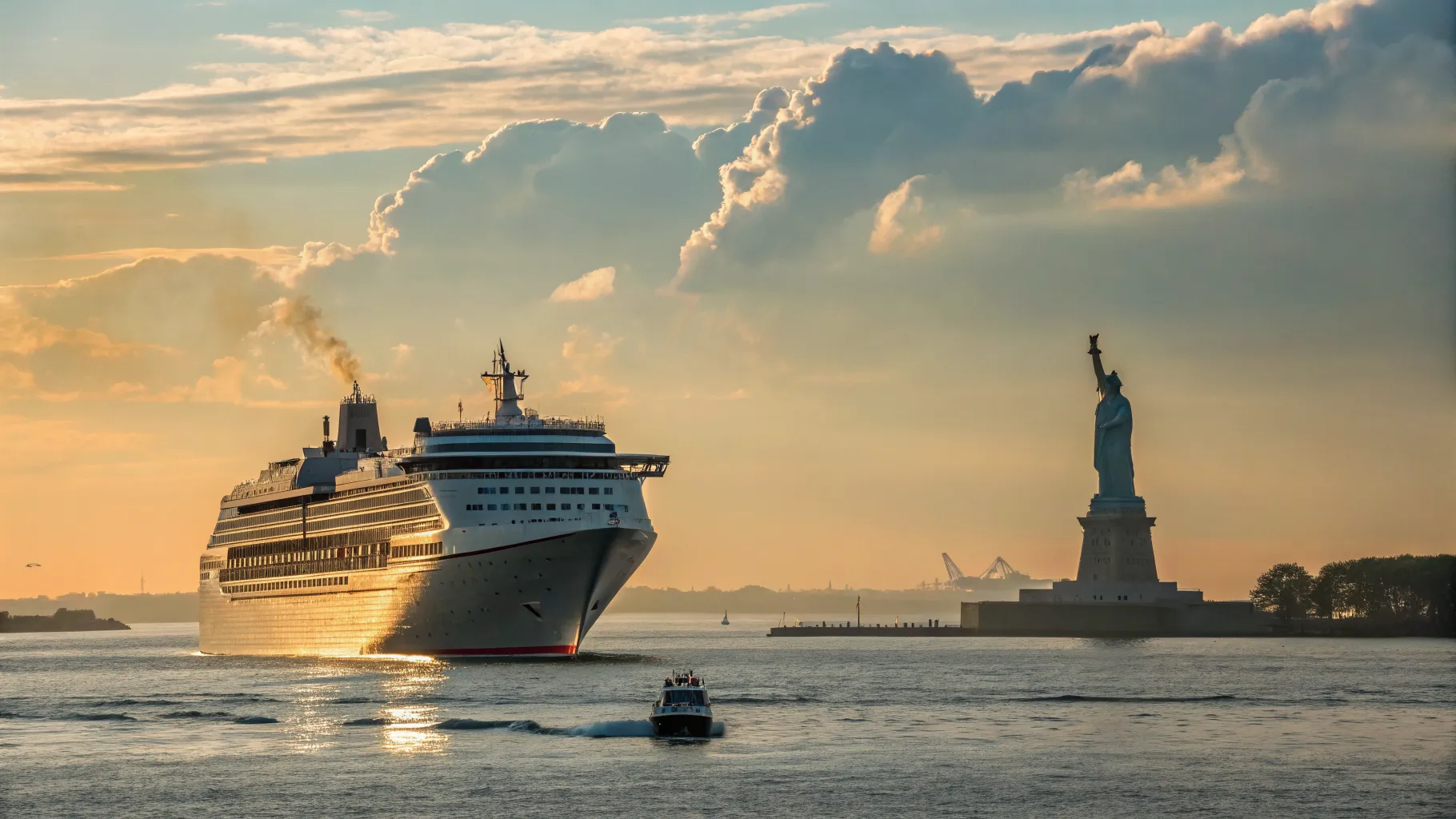
Iconic Itineraries: What to Expect on Your New York to Europe Cruise
While the primary focus of a Transatlantic cruise from New York is the sea days, the destinations are equally captivating. The most classic route departs from New York City, often from the Brooklyn or Manhattan cruise terminals, and sails directly to Southampton, England. This historic port has welcomed ocean liners for over a century. However, many modern itineraries offer exciting variations. Some cruises may include a stop in ports like Halifax, Nova Scotia, or even Reykjavik, Iceland, before making the full crossing. Others might chart a southern course, visiting the Azores or Lisbon, Portugal, before concluding in Mediterranean ports like Barcelona or Rome. Each itinerary offers a unique flavor, but all share the common thread of a magnificent journey across the vast Atlantic, a true ocean liner voyage.
Choosing Your Ship: The Heart of the Luxury Transatlantic Crossing
The vessel you choose is as crucial as the itinerary. The experience of a luxury transatlantic crossing is defined by the ship's amenities, service, and atmosphere. The most famous ship on this route is Cunard's Queen Mary 2, the world's only true modern ocean liner, specifically built for the rigors and romance of the Atlantic. It offers a traditional, elegant experience with formal nights, ballroom dancing, and high tea. Other cruise lines like Norwegian, Royal Caribbean, and Celebrity Cruises also offer transatlantic voyages, typically as repositioning cruises in the spring and fall. These ships provide a more contemporary, resort-style atmosphere with a wide array of entertainment, dining options, and activities. Your choice will depend on whether you seek the classic elegance of a traditional ocean liner voyage or the modern amenities of a floating resort.
Life at Sea: Making the Most of Your Ocean Days
The days at sea are the soul of any Transatlantic cruise from New York. This is your time to indulge, relax, and explore everything the ship has to offer. You can spend your days attending lectures by guest speakers, taking art classes, enjoying spa treatments, or simply reading a book on deck with the ocean as your backdrop. Evenings come alive with world-class entertainment, from Broadway-style shows to live music and elegant cocktail parties. A luxury transatlantic crossing is also a culinary journey, with multiple dining venues ranging from casual buffets to specialty restaurants helmed by renowned chefs. The unhurried pace allows you to fully immerse yourself in the onboard experience, making the journey itself the highlight of your vacation.
Preparing for Your Voyage: Essential Tips for a Smooth Sailing
Proper preparation is key to enjoying your transatlantic adventure. Packing should be strategic, including layers for varying weather conditions at sea and elegant attire if your cruise has formal nights. Here's some actionable advice:
- Book in Advance: The New York to Europe cruise routes, especially on popular ships like the Queen Mary 2, can sell out months or even a year ahead. Booking early secures your preferred stateroom and often comes with better pricing.
- Consider Seasickness: While modern ocean liners have advanced stabilizers, the North Atlantic can be unpredictable. Pack over-the-counter remedies or consult your doctor for prescription options if you are prone to motion sickness.
- Plan Your Onboard Time: Review the ship's daily schedule to plan your activities. Popular events, spa appointments, and specialty dining reservations can fill up quickly, so it's wise to book them on the first day of your ocean liner voyage.
- Embrace the Disconnect: While internet packages are available, they can be slow and expensive. Use this as a chance to unplug. Download books, podcasts, and movies to your devices before you embark for offline entertainment.
Frequently Asked Questions
How long does a Transatlantic cruise from New York typically take?
A direct Transatlantic cruise from New York to a port like Southampton, UK, usually takes about 7 nights. Itineraries with additional port stops in North America or Europe will be longer, ranging from 10 to 15 nights or more.
What is the best time of year for a New York to Europe cruise?
Most transatlantic cruises operate during the spring (eastbound, from New York to Europe) and fall (westbound, from Europe to New York). These are called repositioning cruises as ships move between seasons. The weather is generally more favorable during these times compared to the winter months.
Is a luxury transatlantic crossing worth the cost?
For many travelers, absolutely. A luxury transatlantic crossing is a unique experience that combines transportation, accommodation, fine dining, and entertainment into one package. It offers a level of relaxation and romance that air travel cannot match, making it a memorable and valuable vacation.
What should I pack for an ocean liner voyage?
Packing should include a mix of casual daywear, activewear for the gym or fitness classes, and more formal attire for evening dinners and events. Be sure to bring layers like sweaters or jackets, as it can be windy and cool on deck, even in summer. Don't forget essentials like sunscreen, a good book, and any necessary medications.
References
- The History of Transatlantic Travel - Maritime Heritage Association
- Modern Ocean Liner Design and Stabilization - Naval Engineering Today
- Passenger Cruise Industry Market Reports
Authored by 24Trendz team