Hyaluronic Acid Serum: Which Type Works Best for Your Skin Type?
Facts:
- Hyaluronic acid can hold 1,000 times its weight in water.
- A major trend is using serums with multi-molecular weight hyaluronic acid.
Decoding Hyaluronic Acid: Finding Your Perfect Serum Match
The beauty world is saturated with countless ingredients promising transformative results, but few have achieved the superstar status of hyaluronic acid. Esteemed for its incredible ability to retain moisture, this powerful humectant is a cornerstone of modern skincare. However, not all products are created equal. The effectiveness of a hyaluronic acid serum is deeply tied to its formulation, particularly the size of its molecules. Navigating the options to find the perfect match for your unique skin type can be daunting. This guide will demystify the science behind these popular hydrating serums, helping you select the one that will deliver that coveted plump, dewy, and deeply hydrated complexion you've been searching for.
The Science of Size: Understanding Different Molecular Weights
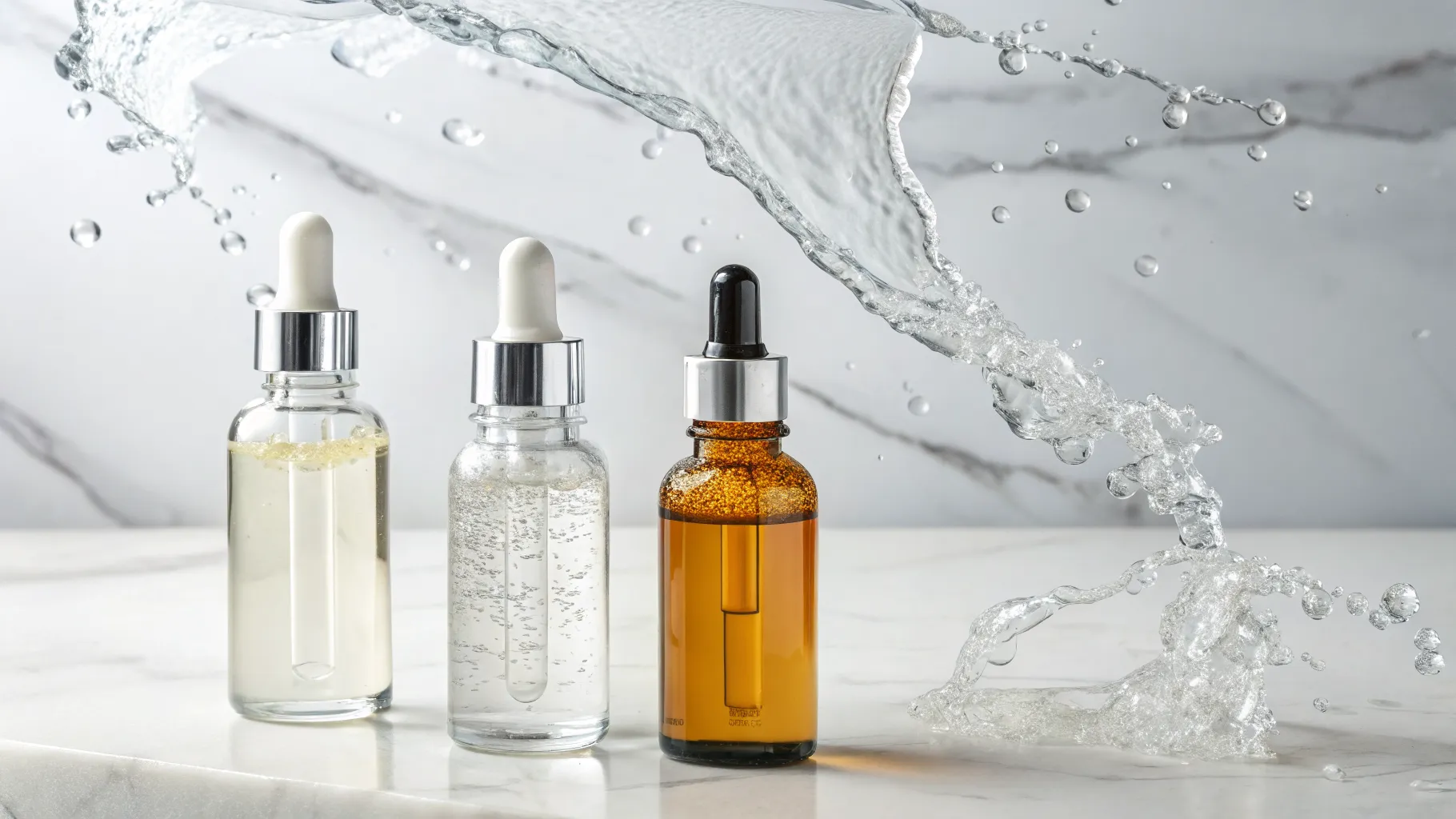
The secret to a truly effective hyaluronic acid serum lies in its molecular structure. The term 'molecular weight' refers to the mass of the hyaluronic acid molecule, which dictates how deeply it can penetrate the skin. Understanding these variations is crucial for targeting specific skin concerns. There are generally three categories of different molecular weights to consider. High molecular weight (HMW) HA has a large molecule size that sits on the surface of the skin, forming a protective barrier that locks in moisture and provides immediate surface hydration and a smoothing effect. Medium molecular weight (MMW) HA can penetrate slightly deeper into the epidermis, offering longer-lasting hydration. Low molecular weight (LMW) HA consists of the smallest molecules, enabling it to penetrate the deepest layers of the skin. This deep penetration helps to stimulate the body's own hyaluronic acid production and can have more significant, long-term anti-aging and plumping effects from within.
Matching Hyaluronic Acid Serums to Your Skin Type
Choosing the right hyaluronic acid serum is not a one-size-fits-all situation; it heavily depends on your individual skin type. For those with oily or acne-prone skin, a lightweight serum featuring primarily low molecular weight HA is ideal. It provides necessary hydration without feeling heavy or clogging pores. If you have dry or dehydrated skin, you will benefit most from a serum that combines different molecular weights. A multi-molecular formula delivers hydration to every layer of the skin—HMW HA provides immediate surface relief and prevents moisture loss, while LMW HA works deeper to plump and restore moisture reserves. For sensitive skin, it's often best to stick with medium-to-high molecular weight options, as the deepest penetrating low-weight molecules can sometimes cause inflammation in highly reactive skin. Combination skin types also do well with multi-weight formulas, as they provide balanced hydration across both oily and dry areas of the face.
Key Ingredients to Look For (And Avoid)
Beyond the molecular weight, the overall formulation of hydrating serums can significantly impact their performance. Look for products that include complementary ingredients. For example, Vitamin B5 (Panthenol) works synergistically with hyaluronic acid to enhance surface hydration and support skin barrier repair. Ceramides are another excellent partner, as they help lock in the moisture that the HA draws into the skin. When examining ingredient lists, you'll often see sodium hyaluronate. This is the salt form of hyaluronic acid, which has a smaller molecular size and is more stable, allowing for enhanced penetration and effectiveness. Be cautious of serums with high concentrations of denatured alcohol, which can be drying and irritating, effectively counteracting the hydrating benefits of the serum. Fragrance, whether synthetic or natural, can also be a potential irritant for sensitive skin types.
How to Apply Your Serum for Maximum Hydration
To get the most out of your chosen hyaluronic acid serum, proper application is key. This ingredient works by drawing moisture from its surroundings, so applying it correctly ensures it hydrates your skin rather than drawing moisture out of it. Follow these steps for the best results:
- Apply to Damp Skin: Always apply your hyaluronic acid serum to slightly damp skin. After cleansing, gently pat your face with a towel, but leave it moist. You can also use a facial mist before application. This gives the HA external water to pull into your skin.
- Use the Right Amount: A pea-sized amount is typically sufficient for the entire face. Using too much product is wasteful and won't increase its benefits. Gently pat or press the serum into your skin until it's fully absorbed.
- Lock It In: This is the most crucial step. You must apply a moisturizer or facial oil on top of your hyaluronic acid serum. This creates an occlusive barrier, sealing in the serum and preventing the moisture from evaporating from your skin's surface, a process known as transepidermal water loss.
- Layer Correctly: In your skincare routine, serums should be applied after cleansing and toning but before heavier creams and oils. This allows the active ingredients to penetrate the skin effectively.
Frequently Asked Questions
Can I use a hyaluronic acid serum every day?
Absolutely. A hyaluronic acid serum is gentle enough for twice-daily use, both in the morning and at night. Consistent use is key to maintaining optimal skin hydration and seeing long-term benefits for your specific skin type.
What is the difference between Hyaluronic Acid and Sodium Hyaluronate?
Sodium hyaluronate is a salt derived from hyaluronic acid. It has a much lower molecular weight, making it more stable and allowing it to penetrate deeper into the skin. Many effective hydrating serums use this form for its enhanced absorption and hydration capabilities.
Will hyaluronic acid clog my pores if I have oily skin?
No, hyaluronic acid is non-comedogenic, meaning it will not clog pores. It is an excellent hydrator for oily and acne-prone skin because it provides necessary moisture in a lightweight, oil-free format, which can help balance sebum production over time.
References
- Journal of Clinical and Aesthetic Dermatology
- International Journal of Biological Macromolecules
- Dermato-Endocrinology Journal
- Skin Research and Technology
Authored by 24Trendz team