Kickstarting Your Career: Top Healthcare Roles with No Prior Experience Needed
Facts:
- Healthcare demand is rapidly growing.
- Diverse training programs are available for **no experience healthcare**.
Navigating Entry Points into Healthcare Without Prior Experience
Embarking on a career in healthcare can seem daunting, especially if you believe prior experience is an absolute prerequisite. However, the truth is that the healthcare sector is vast and continuously expanding, offering numerous **entry-level healthcare jobs** that do not require previous direct experience. These roles often come with on-the-job training or require short-term certifications, making them accessible pathways for individuals passionate about patient care and medical support.
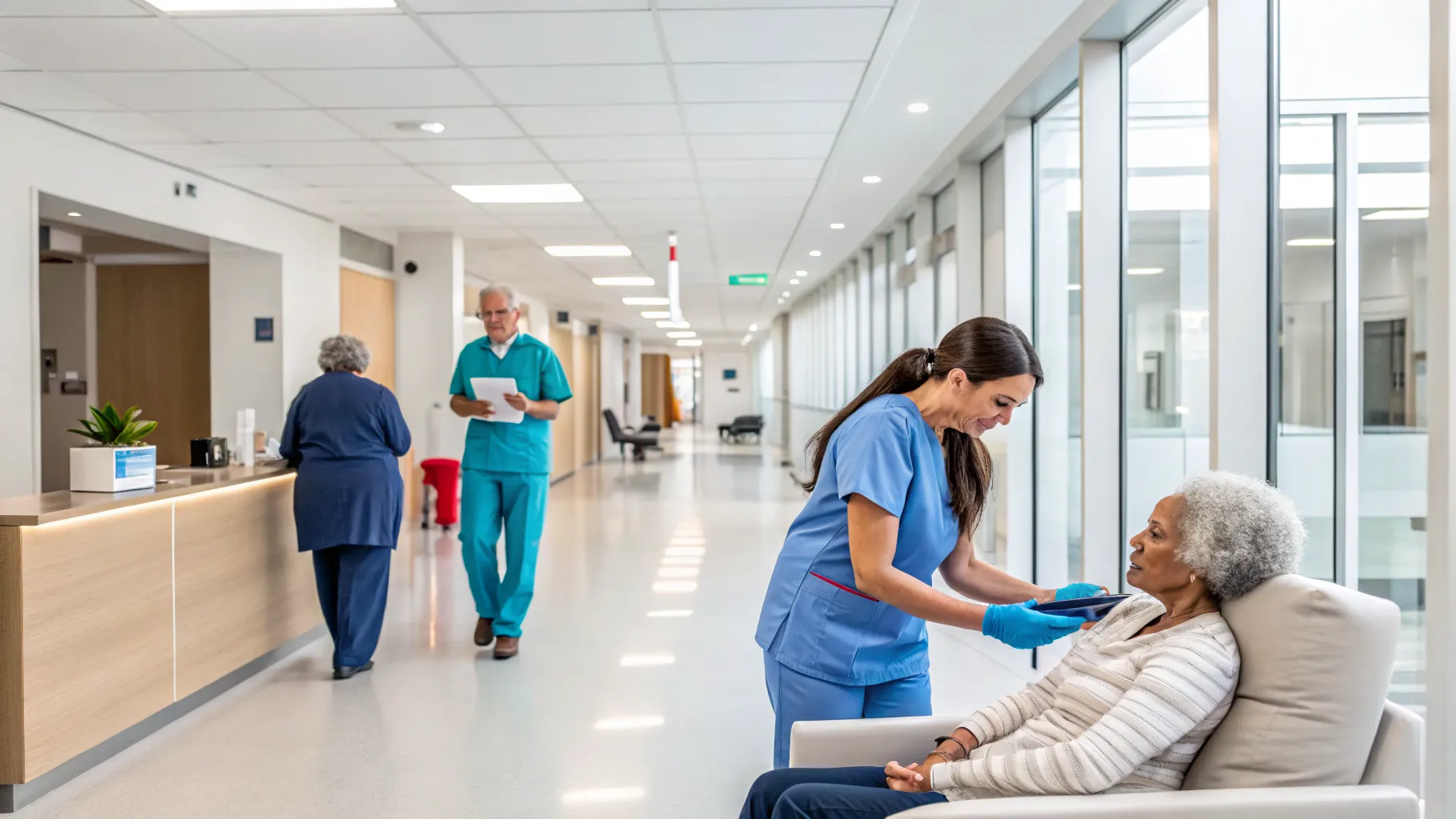
Exploring Diverse Entry-Level Healthcare Opportunities
The healthcare landscape is rich with opportunities for individuals seeking to make a difference without an extensive background. Many of these roles are foundational, providing essential services and often serving as stepping stones to more advanced positions.
Certified Nursing Assistant (CNA)
Becoming a **Certified Nursing Assistant (CNA)** is one of the most direct routes into patient care without prior experience. CNAs work under the supervision of nurses, assisting patients with daily activities such as bathing, dressing, eating, and mobility. They play a crucial role in monitoring patient vital signs and reporting observations. Training programs for CNAs are typically short, lasting a few weeks to a few months, and include both classroom instruction and clinical practice. This role offers invaluable hands-on experience and a deep understanding of patient needs, serving as an excellent foundation for future medical careers.
Medical Assistant
A **Medical Assistant** is a versatile professional who performs both administrative and clinical tasks in clinics and hospitals. Administrative duties might include scheduling appointments, managing patient records, and handling billing. Clinical responsibilities often involve taking vital signs, preparing patients for examinations, assisting physicians during procedures, and performing basic laboratory tests. Many institutions offer **medical assistant training** programs that can be completed in less than a year, equipping individuals with the necessary skills for this dynamic role.
Phlebotomy Technician
Phlebotomy technicians specialize in drawing blood from patients for tests, transfusions, donations, or research. This role requires precision, attention to detail, and excellent patient interaction skills, as they often deal with individuals who may be anxious about needles. Phlebotomy training programs are typically short, ranging from a few weeks to a few months, and provide extensive practical experience in venipuncture techniques. It's a critical **healthcare support role** that can lead to various specialties within laboratories or hospitals.
Pharmacy Technician
Pharmacy technicians work under the direct supervision of a licensed pharmacist, assisting with dispensing prescription medications, managing inventory, and communicating with patients and insurance companies. This role demands meticulous organization and a strong understanding of pharmaceutical terminology. While some positions offer on-the-job training, many aspiring technicians pursue certification through formal programs, which typically last from several months to two years. This is another excellent example of a **no experience healthcare** role that provides a solid foundation in the medical field.
Patient Care Technician (PCT)
Similar to CNAs but often with expanded responsibilities, a **patient care technician** works closely with nurses to provide direct patient care. Their duties can include monitoring vital signs, assisting with procedures, performing electrocardiograms (EKGs), and even drawing blood in some settings, depending on their training and state regulations. PCT programs often build upon CNA training, offering more specialized skills and certifications. This role is ideal for those seeking a more comprehensive patient interaction experience without the extensive schooling required for nursing.
Essential Skills and Training for Aspiring Healthcare Professionals
While many **entry-level healthcare jobs** do not demand prior experience, they do require a specific set of soft skills and a willingness to learn. Compassion, strong communication abilities, attention to detail, and reliability are paramount. Moreover, these roles often necessitate completing formal training programs or obtaining certifications. For instance, **medical assistant training** or programs for phlebotomy and CNA are designed to quickly impart the fundamental knowledge and practical skills needed to perform duties effectively and safely. Many healthcare institutions also offer apprenticeships or paid training programs, allowing individuals to earn while they learn and transition smoothly into their new careers within **no experience healthcare** fields.
Mapping Your Career Trajectory in Healthcare
Identify Your Interests: Consider what aspects of healthcare genuinely appeal to you. Do you enjoy direct patient interaction, or are you more drawn to administrative tasks or laboratory work? Roles like **patient care technician** offer direct interaction, while medical coding might suit those with analytical skills.
Research Training Requirements: Investigate the specific certifications or training programs required for your chosen **entry-level healthcare jobs**. Many community colleges and vocational schools offer accelerated courses designed for quick entry into the workforce.
Seek Mentorship and Networking: Connect with professionals already working in **healthcare support roles**. Their insights can provide valuable guidance and open doors to opportunities you might not have considered.
Embrace Continuous Learning: The healthcare field is constantly evolving. Commit to ongoing education and skill development to advance your career. Many entry-level positions can lead to further specializations or even higher education, such as becoming a registered nurse or other licensed professionals.
Frequently Asked Questions
What are the fastest entry-level healthcare jobs to get into?
Some of the fastest roles to get into include Certified Nursing Assistant (CNA), Phlebotomy Technician, and Medical Assistant, as their training programs can often be completed in a few weeks to several months, providing rapid entry into **no experience healthcare**.
Can I really get a healthcare job with no experience?
Yes, absolutely. Many **healthcare support roles** are specifically designed for individuals entering the field without prior experience, often providing comprehensive on-the-job training or requiring short, focused certification programs.
What kind of salary can I expect from **entry-level healthcare jobs**?
Salaries for **entry-level healthcare jobs** vary significantly based on the role, location, and specific responsibilities. While initial salaries may be modest, these roles offer a stable income and significant opportunities for career growth and increased earning potential with further training and experience.
References
- Bureau of Labor Statistics, U.S. Department of Labor
- American Medical Technologists
- National Association of Health Technicians
Authored by 24Trendz team