Your Ultimate Galapagos Islands Expedition Guide: A Journey into Unique Ecosystems
Facts:
- The Galapagos Islands became the first UNESCO World Heritage site in 1978.
- Tourism is strictly regulated to preserve the islands' delicate ecosystems.
Embark on a Journey to Darwin's Living Laboratory
A Galapagos Islands expedition is more than a vacation; it's an immersive journey into a world that time seems to have forgotten. Here, animals have no innate fear of humans, allowing for unparalleled encounters with nature in its purest form. This archipelago, a crucible of evolution, offers a rare glimpse into the mechanics of natural selection that famously inspired Charles Darwin. Every island presents a new chapter in Earth's biological story, making the experience a profound exploration of our planet's most unique ecosystems. Preparing for this adventure means getting ready to witness incredible Galapagos wildlife up close and personal, an experience that stays with you forever.
The Unrivaled Biodiversity: Encountering Endemic Species
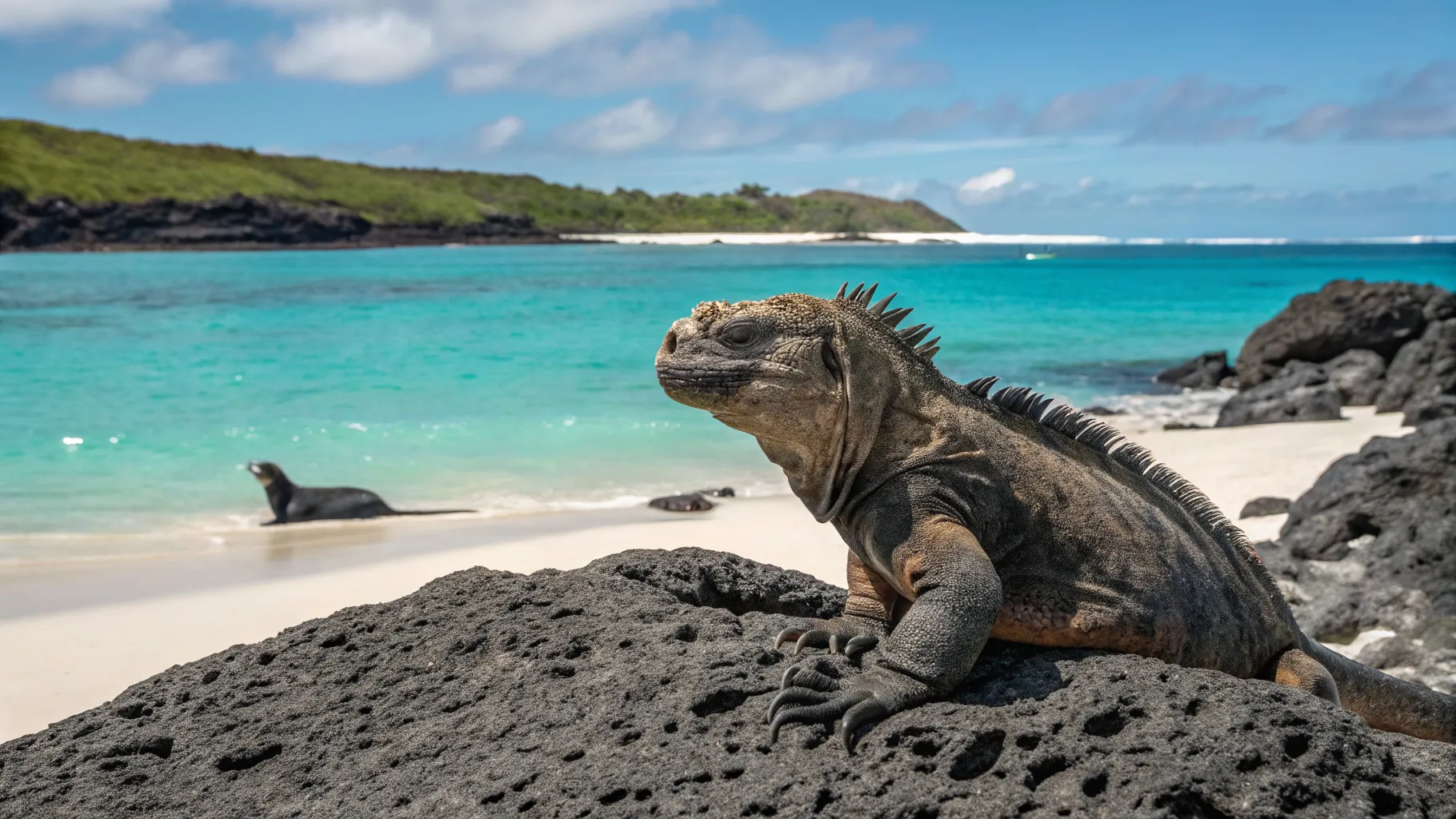
The heart and soul of any Galapagos Islands expedition is its remarkable fauna. The term Galapagos wildlife conjures images of creatures straight from a nature documentary, and the reality does not disappoint. You will walk among giant tortoises in the misty highlands of Santa Cruz, their ancient, wrinkled faces a testament to longevity. On the volcanic shores of Fernandina, you'll find marine iguanas, the world's only sea-going lizards, huddled together for warmth after a dive for algae. Blue-footed boobies perform their comical courtship dance right before your eyes, and playful sea lions will often swim right up to you, their curiosity as boundless as the ocean. This direct, unfiltered access to wildlife in its natural habitat is what makes the Galapagos a truly once-in-a-lifetime destination.
Following in Darwin's Footsteps: The Scientific Significance
To visit the Galapagos is to trace the intellectual journey of Charles Darwin. It was his visit in 1835 aboard the HMS Beagle that laid the groundwork for his revolutionary theory of evolution by natural selection. By observing the subtle variations in finches and tortoises from one island to another, he began to piece together the puzzle of adaptation. Each island in the archipelago acts as a separate natural experiment, showcasing how species diverge and adapt to their specific environments. These unique ecosystems, isolated from the mainland and from each other, provide a living classroom for understanding biology, geology, and ecology. A knowledgeable guide will bring this history to life, explaining the scientific importance of the wildlife and landscapes you encounter on your Galapagos Islands expedition.
Choosing Your Adventure: Island Hopping vs. Liveaboard Cruises
There are two primary ways to experience the Galapagos: a liveaboard cruise or a land-based island hopping adventure. A liveaboard cruise offers the most comprehensive experience, allowing access to the most remote and pristine outer islands, such as Genovesa and Fernandina. You live on the boat, waking up each day in a new location, which maximizes your time exploring the diverse Galapagos wildlife. In contrast, island hopping involves staying in hotels on the inhabited islands (like Santa Cruz, Isabela, and San Cristobal) and taking day trips to nearby visitor sites. This option provides more flexibility, opportunities to engage with the local culture, and is often a more budget-friendly approach. Your choice will depend on your budget, travel style, and which specific unique ecosystems you wish to explore.
Navigating the Archipelago's Unique Ecosystems
The Galapagos is not a single environment but a mosaic of incredibly varied landscapes. Your journey will take you across stark, black lava fields that feel like the surface of the moon, to lush green highlands shrouded in mist, and onto powdery white-sand beaches where sea lions sleep. Each of these unique ecosystems supports a different cast of characters. For example, the colder, nutrient-rich waters of the western islands support the Galapagos penguin, the only penguin species found north of the equator. Meanwhile, the warmer central islands are ideal for sea turtles to nest. Understanding the volcanic origins of the islands and the ocean currents that influence their climate is key to appreciating the incredible biodiversity that makes a Galapagos Islands expedition so special.
Essential Planning Tips for Your Galapagos Adventure
Proper planning is crucial for a successful trip. Here are some actionable tips to ensure your Galapagos Islands expedition is as smooth and rewarding as possible:
- Book in Advance: Due to strict visitor limits, both cruises and popular hotels fill up months, sometimes even a year, ahead of time. Secure your spot early, especially during peak seasons.
- Pack Smart: Bring lightweight layers, a rain jacket, sun protection (hat, sunscreen, sunglasses), and sturdy walking shoes. Water shoes are also essential for wet landings. Don't forget your camera and binoculars to capture the amazing Galapagos wildlife.
- Respect the Rules: The Galapagos National Park has strict regulations to protect the environment. Always stay on the marked trails, never touch the animals, and maintain a minimum distance of two meters. Listen carefully to your certified naturalist guide.
- Choose the Right Itinerary: Research different cruise or island hopping itineraries to match your interests. Some routes focus more on birdwatching, while others are better for snorkeling and seeing marine life.
Frequently Asked Questions
What is the best time of year for a Galapagos Islands expedition?
The Galapagos is a year-round destination with two main seasons. The warm and wet season (December to May) offers calm, warm waters perfect for snorkeling, and lush green landscapes. The cool and dry season (June to November) brings cooler water temperatures but also a peak in marine life activity, including whale shark sightings in the northern islands.
How close can you get to the Galapagos wildlife?
The wildlife's lack of fear is astounding, but visitors must adhere to strict park rules requiring them to stay at least two meters (about six feet) away from the animals. Often, the curious animals themselves will break this rule, but it is your responsibility to maintain a respectful distance and not interact with or touch them.
Is island hopping a good option for exploring the unique ecosystems of the Galapagos?
Yes, island hopping can be an excellent way to experience the islands. It allows you to explore the unique ecosystems around the main inhabited islands and offers more interaction with the local communities. While you won't reach the most distant islands, you will still see a fantastic array of iconic Galapagos wildlife and landscapes.
References
- Galapagos National Park Directorate Official Guidelines
- Darwin, C. (1859). On the Origin of Species by Means of Natural Selection.
- The Charles Darwin Foundation for the Galapagos Islands.
- UNESCO World Heritage Centre - Galápagos Islands.
Authored by 24Trendz team