Navigating Dental Care: How to Find Medicaid Dentists and Medicare Dental Coverage in the US
Fast Facts:
- Over 75 million Americans rely on Medicaid for healthcare.
- Access to dental services remains a significant challenge for low-income dental services in the US.
Unlocking Dental Access: Your Guide to Medicaid Dentists and Medicare Dental Coverage
Finding quality dental care can be a daunting task, especially for individuals navigating the complexities of public health insurance programs like Medicaid and Medicare. This comprehensive guide will equip you with the knowledge and strategies to locate Medicaid dentists and understand your options for Medicare dental coverage, ensuring you can access the essential affordable dental care you need across the United States.
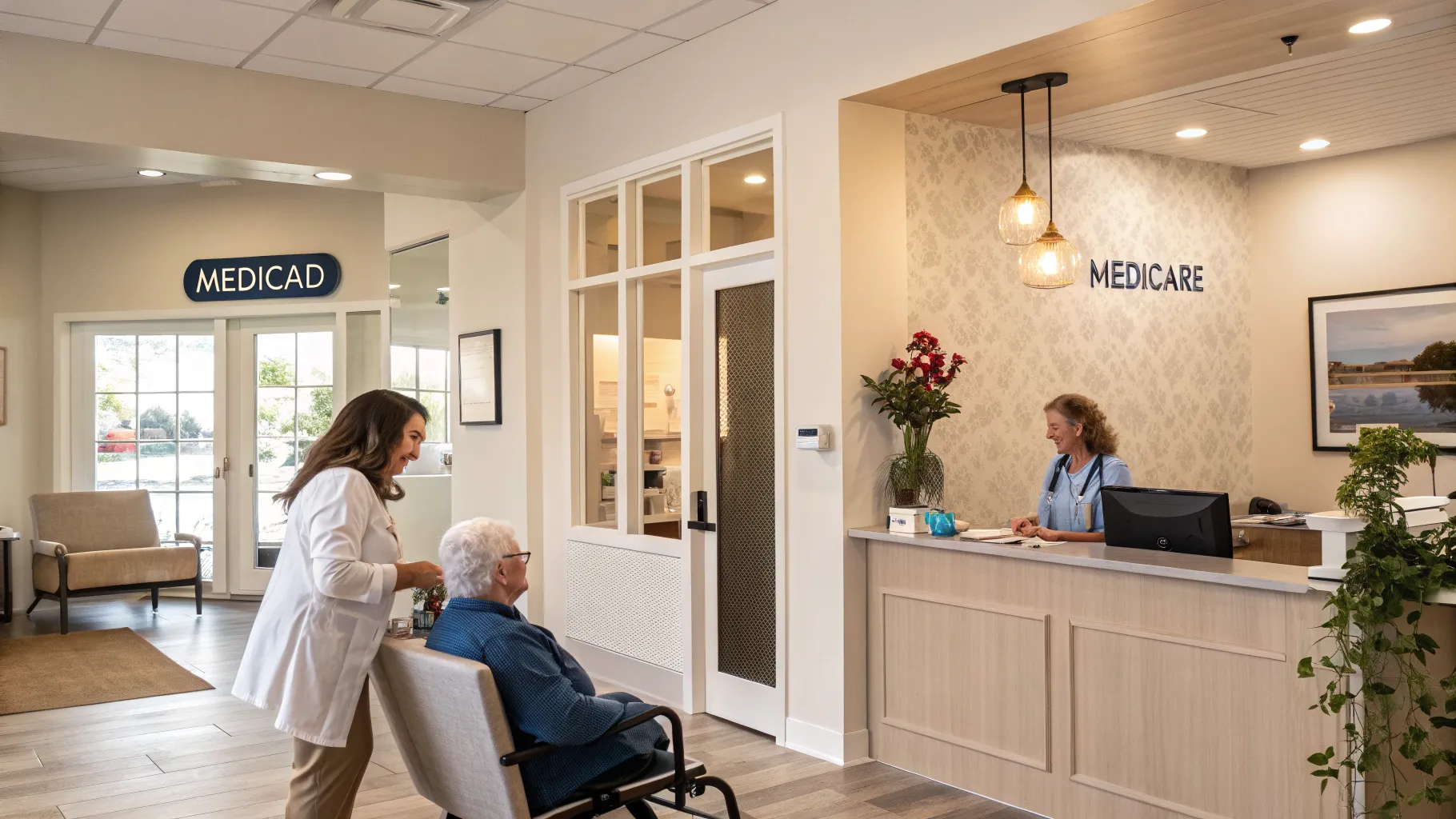
Understanding Medicaid and Dental Benefits
Medicaid, a joint federal and state program, provides healthcare coverage to millions of low-income Americans. While children under Medicaid's Early and Periodic Screening, Diagnostic, and Treatment (EPSDT) benefit are guaranteed comprehensive dental care, adult dental benefits vary significantly by state. Some states offer extensive coverage, including preventative, restorative, and even emergency services, while others provide only emergency dental care or no coverage at all. It is crucial to research your specific state's Medicaid dental program to understand the scope of services available. Many Medicaid dentists focus on serving this population, often having established protocols for billing and patient intake under these programs, making it easier for beneficiaries to find a dentist accepting Medicaid/Medicare.
State-Specific Medicaid Dental Programs
Each state administers its own Medicaid program, leading to a patchwork of dental benefits nationwide. For example, some states might cover routine cleanings, fillings, and extractions, while others may also include root canals, dentures, and orthodontic treatment for adults deemed medically necessary. Beneficiaries should consult their state's Medicaid agency website or member handbook to get the most accurate and up-to-date information on covered procedures, annual limits, and eligibility requirements. Identifying low-income dental services often starts with understanding these state-specific nuances, as not all dental practices are equipped to handle the administrative aspects of Medicaid billing or have the capacity to take on new Medicaid patients. Therefore, actively searching for Medicaid dentists specifically is often the most effective approach.
Navigating Medicare and Dental Coverage Realities
Unlike Medicaid, Original Medicare (Parts A and B) generally does not cover routine dental care, cleanings, fillings, extractions, or dentures. This is a significant gap in coverage, leaving many seniors to pay for dental services out-of-pocket or seek alternative solutions. However, there are options for Medicare dental coverage through Medicare Advantage (Part C) plans. These private insurance plans, approved by Medicare, often include supplemental benefits such as dental, vision, and hearing. The level of dental coverage can vary greatly among Medicare Advantage plans, ranging from basic preventative services to more comprehensive restorative care. Exploring these plans is essential for seniors seeking affordable dental care beyond what Original Medicare offers.
Finding Medicare Advantage Plans with Dental Benefits
When searching for a Medicare Advantage plan, it's vital to carefully review the dental benefits offered. Look for plans that cover the specific services you anticipate needing, such as cleanings, X-rays, fillings, or even more extensive procedures like crowns or dentures. Pay close attention to deductibles, co-payments, annual maximums, and network restrictions. Some plans might require you to use dentists within their specific network, which can impact your choice of provider. Resources like the official Medicare website (Medicare.gov) and local State Health Insurance Assistance Programs (SHIPs) can provide invaluable help in comparing plans and understanding the intricacies of Medicare dental coverage that includes specific dental benefits. This diligent research is key to identifying low-income dental services or broader options for seniors.
Strategies to Locate Dentists Accepting Public Insurance
Identifying local dentists in the United States that accept Medicaid and Medicare requires a systematic approach. Many dental offices do not widely advertise their acceptance of these plans, making direct inquiry and utilizing specific search tools necessary. Start by checking your state's Medicaid website or the provider directory for your Medicare Advantage plan. These resources often list participating dental providers, allowing you to narrow down your search. Additionally, online search engines can be powerful tools; using phrases like "find a dentist accepting Medicaid/Medicare" along with your city or state can yield relevant results. Remember to verify the information by directly calling the dental office to confirm they are currently accepting new patients with your specific insurance plan and to understand their billing procedures. This proactive communication is crucial for securing affordable dental care.
Leveraging Community Resources for Dental Referrals
Beyond official directories, community health centers, dental schools, and local health departments are excellent resources for finding low-income dental services and providers who accept Medicaid or Medicare Advantage plans. Community health centers often operate on a sliding scale fee structure for uninsured patients and frequently accept public insurance programs. Dental schools may offer reduced-cost treatment performed by students under the supervision of experienced faculty. Local health departments can also provide lists of approved providers or refer you to programs that assist with affordable dental care. These avenues are particularly helpful for those struggling to find a dentist accepting Medicaid/Medicare through conventional searches and are dedicated to ensuring access to care for all populations.
Overcoming Common Barriers to Accessing Dental Care
Even with insurance, individuals may face barriers to accessing dental care, including transportation issues, limited availability of appointments, or a shortage of providers in rural areas. To mitigate these challenges, consider scheduling appointments well in advance, especially for specialists or popular Medicaid dentists. Explore public transportation options or community ride-sharing programs if transportation is an issue. For residents in underserved areas, telehealth consultations may be available for initial screenings or advice, potentially reducing the need for travel for every appointment. Advocating for expanded Medicare dental coverage and increasing the number of Medicaid dentists are ongoing efforts by various organizations to address these systemic issues and ensure more equitable access to affordable dental care for everyone.
Tips for a Successful Dental Visit with Public Insurance
To ensure a smooth experience when visiting a dentist with Medicaid or Medicare Advantage, preparation is key. Always bring your insurance card and any relevant identification. It’s also wise to have a clear understanding of your coverage benefits, including co-pays, deductibles, and any limitations on services. Before your appointment, confirm with the dental office that they accept your specific plan and that the services you anticipate needing are covered. Discuss any potential out-of-pocket costs upfront to avoid surprises. Being informed and proactive will help you maximize your Medicare dental coverage or Medicaid benefits and receive the necessary low-income dental services without financial stress, making it easier to find a dentist accepting Medicaid/Medicare who meets your needs effectively.
- Confirm Coverage Details: Before scheduling, call your insurance provider or check their online portal to understand what your Medicaid or Medicare Advantage plan specifically covers, including any annual limits or co-payments. This clarity helps you discuss expected costs with the dental office proactively.
- Verify Provider Acceptance: Always double-check with the dental office directly that they are currently accepting new patients with your specific Medicaid plan or Medicare Advantage plan. Acceptance can change, so a recent confirmation is crucial.
- Prepare Necessary Documentation: Bring your insurance card, photo ID, and any relevant medical history forms to your appointment. Having all your documents ready streamlines the check-in process and ensures accurate billing.
- Communicate Your Needs Clearly: Be open with your dentist about your dental concerns and financial situation. They can often help prioritize treatments or suggest alternatives that align with your affordable dental care goals and coverage.
- Understand Referrals: If your plan requires a referral for specialists (e.g., oral surgeon, periodontist), ensure you obtain it from your primary care physician or general dentist beforehand to avoid claim rejections.
Frequently Asked Questions
Do all dentists accept Medicaid dentists or Medicare dental coverage?
No, not all dentists accept Medicaid or Medicare Advantage plans for various reasons, including administrative complexities, reimbursement rates, or simply a choice to operate outside these networks. It's essential to specifically search for and confirm with dental offices whether they accept your particular plan to find a dentist accepting Medicaid/Medicare.
What if I can't find a dentist accepting Medicaid/Medicare in my area?
If you're struggling to find a participating dentist, consider expanding your search to nearby towns or cities. Also, explore community health centers, dental schools, or local public health clinics, which often provide low-income dental services and are more likely to accept public insurance plans or offer sliding scale fees for affordable dental care.
Are emergency dental services covered by Medicaid or Medicare?
Emergency dental services coverage varies by state for Medicaid adult benefits. Some states only cover emergency care. Original Medicare (Parts A and B) generally does not cover emergency dental work unless it's integral to a covered medical procedure (e.g., jaw surgery after an accident). Medicare Advantage plans may offer coverage for emergencies, depending on the specific plan's benefits for Medicare dental coverage.
Can I get dentures or braces with Medicaid or Medicare?
Denture coverage under Medicaid for adults is state-dependent; some states include it, while others do not. Orthodontics (braces) for adults are rarely covered unless deemed medically necessary for a severe condition. Original Medicare doesn't cover dentures or braces. Medicare Advantage plans might offer some limited coverage for dentures, but typically not for orthodontics, making affordable dental care for these services a challenge without specific, comprehensive plans.
How can I find out the specific dental benefits for my state's Medicaid plan?
To determine your state's specific Medicaid dentists and dental benefits, visit your state's official Medicaid website or contact your state's Medicaid agency directly. They can provide detailed information on covered services, eligibility, and how to find a dentist accepting Medicaid/Medicare in your region. This is crucial for understanding your access to low-income dental services.
References
- Centers for Medicare & Medicaid Services (CMS) Official Website
- State Medicaid Program Websites (e.g., specific state health departments)
- American Dental Association (ADA) resources on public dental programs
- Kaiser Family Foundation (KFF) reports on dental care access and coverage
- National Association of Dental Plans (NADP) industry insights
Authored by 24Trendz team