Early Signs of Skin Cancer: Identifying Critical Symptoms and Warning Signals
Facts:
- Early detection of skin cancer early signs drastically improves treatment outcomes.
- Globally, skin cancer incidence rates continue to rise, especially for outdoor enthusiasts.
Understanding the Crucial Early Indicators of Skin Cancer
Detecting skin cancer early signs is paramount for successful treatment and prevention of its progression. While sunlight exposure is a primary risk factor, understanding the subtle warning signs of skin cancer can empower individuals to seek timely medical evaluation. This comprehensive guide will delve into the critical indicators you should be aware of, focusing on both common types and aggressive forms like melanoma. Recognizing mole changes and other unusual skin developments is the first step towards safeguarding your health.
The Importance of Regular Self-Exams for Early Detection
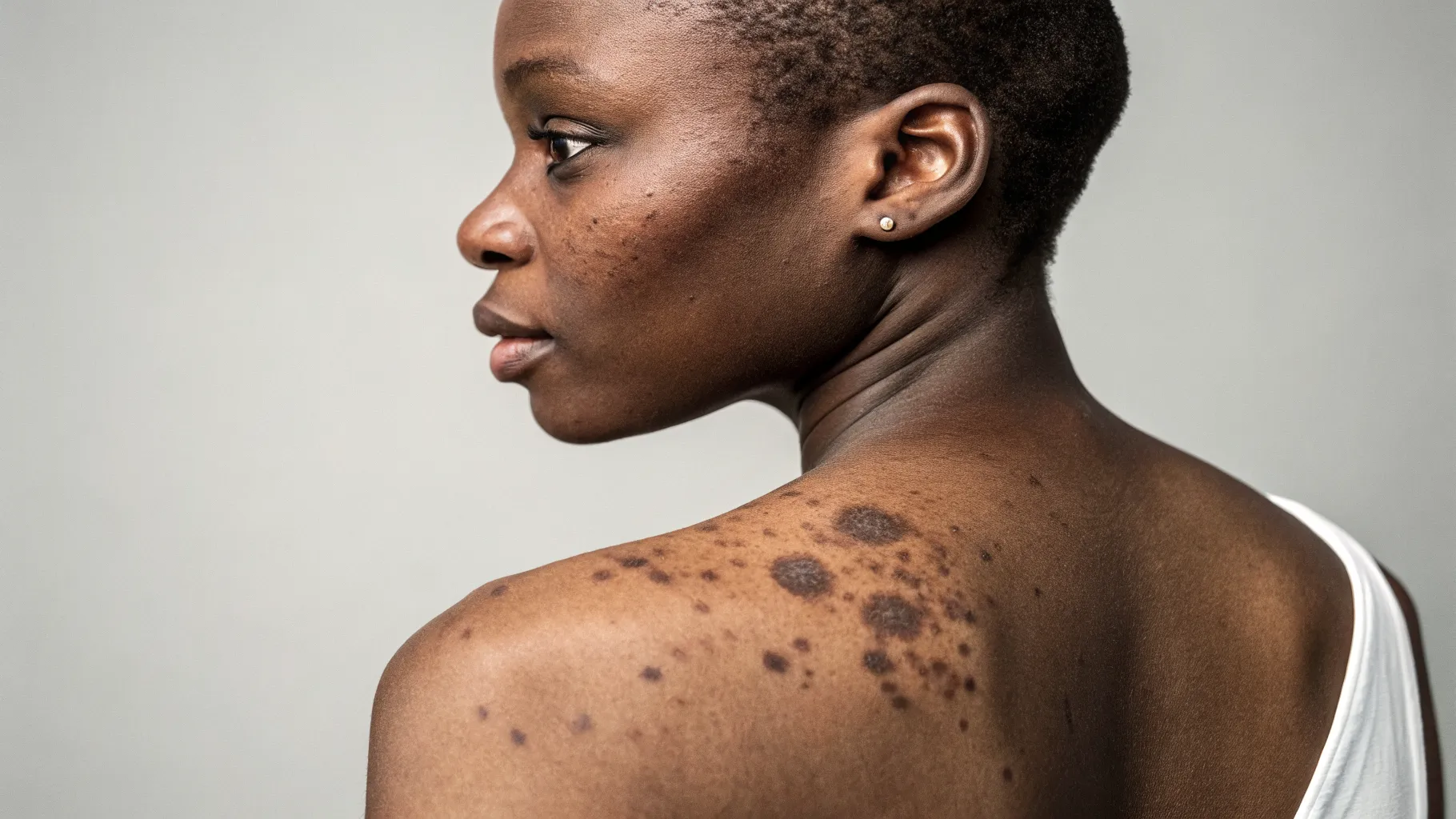
Performing regular self-examinations is a cornerstone of identifying early signs of skin cancer. It is recommended to check your entire body monthly, paying close attention to areas not typically exposed to the sun, as well as those that are. Familiarity with your skin's unique patterns of moles, freckles, and blemishes will make it easier to spot new growths or mole changes that could indicate a problem. Look for anything new, changing, or unusual. Don't hesitate to use a mirror for hard-to-see areas or ask a trusted individual for help. Early detection of warning signs of skin cancer significantly improves prognosis, making self-awareness your best defense.
Recognizing Melanoma: The ABCDEs Rule
Melanoma is the most dangerous form of skin cancer, and understanding its specific melanoma symptoms is critical. Dermatologists often recommend using the ABCDEs of melanoma rule as a practical tool for identifying suspicious moles or lesions. This mnemonic helps individuals remember the key characteristics to look for during self-exams. Each letter represents a distinct feature that differentiates a potentially cancerous lesion from a benign one. Adhering to these guidelines allows for quick identification of skin cancer early signs that warrant professional attention.
A - Asymmetry
Asymmetry refers to a mole where one half does not match the other. Benign moles are typically symmetrical. If you draw an imaginary line through a suspicious mole and the two halves are distinctly different in shape, size, or appearance, it could be an early sign of skin cancer. This asymmetry is a key indicator to look for when performing self-checks, distinguishing problematic growths from harmless ones. Spotting these warning signs of skin cancer early is crucial.
B - Border Irregularity
Benign moles usually have smooth, even borders. Malignant melanoma symptoms, however, often include borders that are irregular, notched, scalloped, or poorly defined. This unevenness around the edges is a significant warning sign of skin cancer and should prompt immediate evaluation. Pay close attention to any fuzzy or indistinct boundaries around a lesion, as these are strong indicators of potential issues.
C - Color Variation
A mole with varied colors within the same lesion is a serious concern. This can include shades of brown, black, tan, white, red, or blue. Healthy moles tend to be a single, uniform color. The presence of multiple colors or an uneven distribution of color within a mole is a strong early sign of skin cancer and a classic characteristic of melanoma. Any unusual coloration should be regarded as a potential melanoma symptom.
D - Diameter
While size isn't the only factor, a mole with a diameter greater than 6 millimeters (about the size of a pencil eraser) should be viewed with suspicion. However, it's important to note that melanomas can sometimes be smaller, so a smaller lesion with other ABCDE characteristics should not be ignored. Rapid growth in size, regardless of initial dimension, is also a critical warning sign of skin cancer. Monitoring mole changes in diameter is an essential part of detecting skin cancer early signs.
E - Evolving
The "E" in the ABCDEs of melanoma stands for evolving, which means any change in a mole's size, shape, color, elevation, or any new symptom like bleeding, itching, or crusting. This is perhaps the most crucial melanoma symptom to monitor, as changes over time are highly indicative of malignancy. Regular checks for evolving characteristics ensure that any developing warning signs of skin cancer are caught promptly.
Other Types of Skin Cancer: Basal Cell and Squamous Cell Carcinomas
Beyond melanoma, basal cell carcinoma (BCC) and squamous cell carcinoma (SCC) are also prevalent forms of skin cancer. While generally less aggressive than melanoma, they still require prompt diagnosis and treatment. BCC often appears as a pearly or waxy bump, a flat, flesh-colored or brown scar-like lesion, or a bleeding/scabbing sore that heals and returns. SCC may present as a firm, red nodule or a flat, scaly, crusted lesion. Both types can appear in sun-exposed areas and should be monitored for early signs of skin cancer. Any persistent non-healing sore or unusual growth is a crucial warning sign of skin cancer that necessitates medical attention.
Understanding the distinctions between these forms is vital. BCCs are the most common and often appear as small, shiny bumps. SCCs, on the other hand, might look like scaly red patches or open sores. It is crucial to remember that while these may not always show the classic ABCDEs of melanoma, any persistent, non-healing lesion, especially one that bleeds easily or causes discomfort, should be immediately checked by a dermatologist. Recognizing these varied skin cancer early signs ensures comprehensive vigilance.
When to Seek Professional Medical Advice
While self-exams are vital, a professional skin examination by a dermatologist is indispensable, especially if you notice any warning signs of skin cancer. If any mole or lesion exhibits the ABCDEs of melanoma, or if you observe any suspicious mole changes, bleeding, itching, or pain associated with a skin growth, it is imperative to schedule an appointment. Individuals with a history of sunburns, numerous moles, fair skin, or a family history of skin cancer should consider annual professional screenings. Early intervention based on recognizing early signs of skin cancer can prevent more extensive treatment and improve long-term outcomes.
Don't delay if you detect potential melanoma symptoms or other concerning warning signs of skin cancer. Dermatologists use specialized tools, such as dermoscopes, to examine moles in detail, often identifying issues that might be missed by the naked eye. They can also perform biopsies to accurately diagnose any suspicious lesions. Proactive healthcare is the best strategy for managing and treating skin cancer effectively.
Proactive Steps for Skin Health and Early Detection
Practice Sun Safety: Always use broad-spectrum sunscreen with an SPF of 30 or higher, wear protective clothing, and seek shade, especially during peak sun hours (10 a.m. to 4 p.m.). This significantly reduces the risk of developing skin cancer early signs.
Perform Monthly Self-Exams: Get familiar with your skin and look for new or changing moles, particularly noting any mole changes that fit the ABCDEs of melanoma. Documenting changes with photos can be helpful.
Schedule Annual Dermatological Check-ups: Even if you don't notice any warning signs of skin cancer, professional screenings are crucial for early detection, especially for those at higher risk.
Educate Yourself: Understand the different types of skin cancer and their specific melanoma symptoms or general skin cancer early signs. Knowledge empowers you to be vigilant.
Avoid Tanning Beds: Tanning beds emit harmful UV radiation, drastically increasing the risk of all types of skin cancer, including melanoma. Steer clear to prevent unnecessary exposure leading to warning signs of skin cancer.
Frequently Asked Questions
Can benign moles turn into skin cancer early signs?
While most moles are benign, some can develop into melanoma over time, particularly atypical moles. It's crucial to monitor existing moles for any mole changes in size, shape, color, or other ABCDEs of melanoma characteristics.
How often should I check for warning signs of skin cancer?
Dermatologists recommend performing a thorough self-skin examination once a month. This helps you become familiar with your skin's normal appearance and quickly spot any new or evolving skin cancer early signs.
What makes a mole suspicious beyond the ABCDEs of melanoma?
Beyond the ABCDEs, any mole that bleeds, itches, or causes pain, or a sore that doesn't heal, should be considered suspicious and checked by a dermatologist. These are additional melanoma symptoms or general warning signs of skin cancer.
References
- American Academy of Dermatology Association. "Skin Cancer." aad.org.
- National Cancer Institute. "Skin Cancer (Including Melanoma) - Patient Version." cancer.gov.
- Skin Cancer Foundation. "Early Detection and Warning Signs." skincancer.org.
Authored by 24Trendz team