Deep Carpet Cleaning Hacks: Achieving Professional Results at Home
Facts:
- Regular cleaning extends carpet lifespan.
- Demand for eco-friendly cleaning solutions for home maintenance.
Unlocking the Secrets to Effective Deep Carpet Cleaning
Maintaining a pristine home often involves keeping your carpets spotless. While regular vacuuming helps, true deep carpet cleaning requires more specialized approaches to tackle embedded dirt, allergens, and stubborn stains. This guide will provide you with practical carpet stain removal hacks and comprehensive strategies, enabling you to achieve results comparable to professional carpet cleaning, all from the comfort of your home.
Essential Preparations Before You Begin Your Deep Clean
Before diving into intense scrubbing or renting heavy machinery for deep carpet cleaning, thorough preparation is paramount. Begin by removing all furniture and movable items from the carpeted area. This ensures unrestricted access to every inch of your carpet. Next, perform a meticulous vacuuming session, preferably using a powerful vacuum with a brush roll attachment. This step is crucial for lifting loose dirt, dust, and pet hair that sits on the surface or is lightly embedded in the fibers. Skipping this initial vacuuming can turn dust into muddy streaks once wet, making the cleaning process far less effective. Pay close attention to high-traffic areas where dirt accumulation is typically heaviest, integrating these foundational carpet maintenance tips into your routine for optimal results.
Mastering DIY Solutions for Stubborn Carpet Stains
Addressing specific stains effectively is a cornerstone of successful deep carpet cleaning. Rather than immediately resorting to harsh chemicals, many common household items can provide powerful carpet stain removal solutions through DIY carpet cleaning methods. For instance, a mixture of white vinegar and water (1:1 ratio) is excellent for general deodorizing and light stains. For more challenging spots, a paste made from baking soda and a small amount of water can absorb odors and lift grease stains; simply apply, let it dry, and then vacuum. Dish soap, when diluted, can also work wonders on oily stains. Always blot, never rub, to avoid spreading the stain or damaging carpet fibers. Understanding the nature of the stain and applying the right homemade remedy can save both time and money, proving the efficacy of well-executed DIY carpet cleaning strategies.
Tackling Red Wine Spills
Red wine on carpet can be daunting, but quick action is key. First, blot as much as possible with a clean, white cloth. Avoid rubbing. Then, liberally apply salt to the spill; the salt will absorb the wine. Let it sit for 10-15 minutes, then vacuum. Alternatively, a solution of hydrogen peroxide and a small amount of dish soap can be gently blotted onto the remaining stain, followed by rinsing with cold water and blotting dry. This methodical approach ensures effective carpet stain removal even for notoriously difficult spills.
Eliminating Pet Accident Odors and Stains
Pet accidents require immediate attention for both stain and odor elimination. Blot up as much liquid as possible. Then, saturate the area with an enzymatic cleaner designed to break down organic matter, following product instructions carefully. Enzymatic cleaners are essential because they neutralize the odor-causing bacteria, preventing pets from re-soiling the same spot. For an additional boost in deep carpet cleaning and odor control, sprinkle baking soda over the dried area, let it sit overnight, and then vacuum thoroughly.
Leveraging the Right Equipment for Deeper Clean
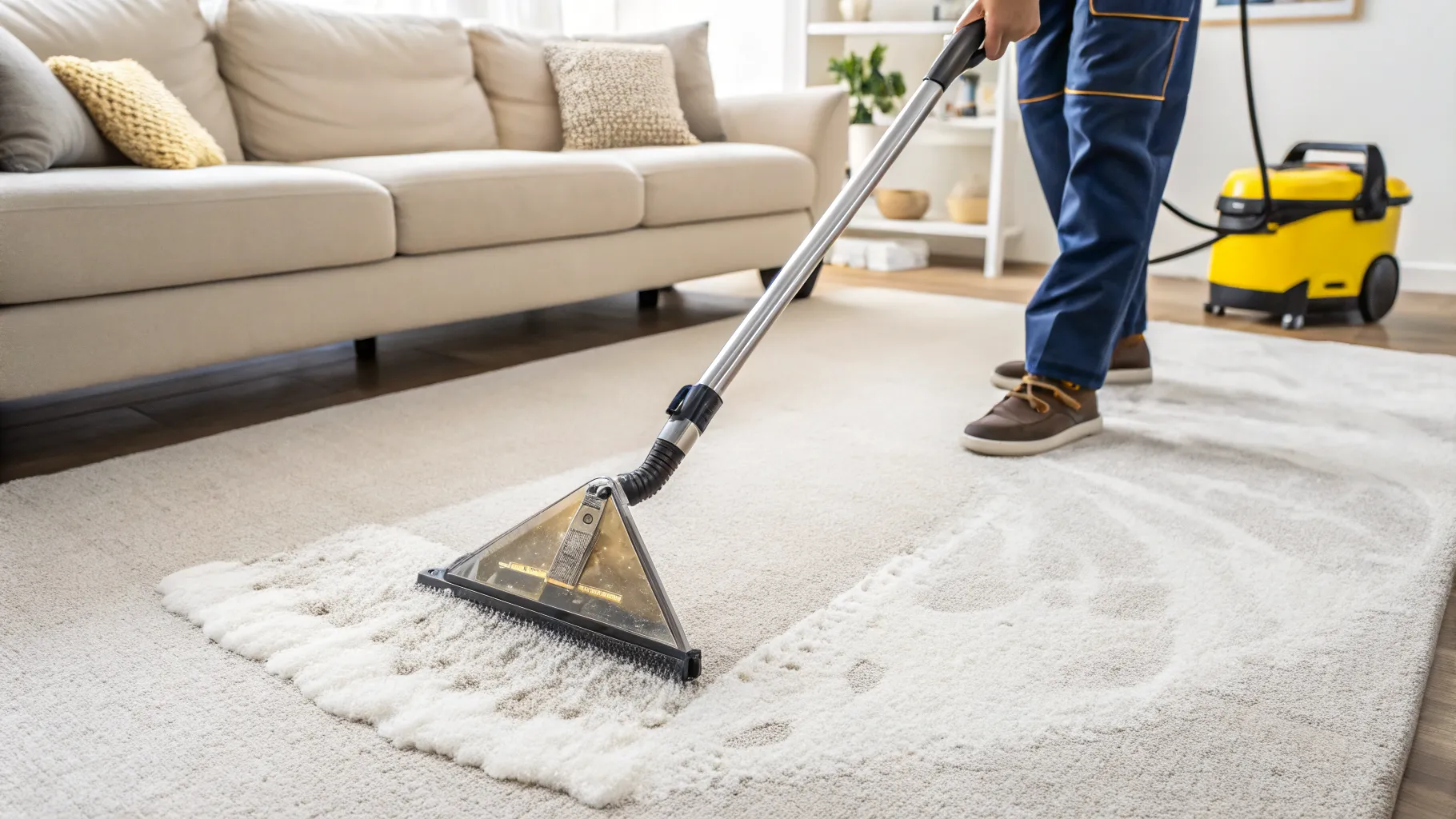
While manual scrubbing and household solutions are great for spot treatments, achieving a truly comprehensive deep carpet cleaning often necessitates specialized equipment. Home carpet cleaning machines, often available for rent or purchase, come in various forms, primarily steam cleaners and carpet extractors. Steam cleaners use hot water and cleaning solutions to penetrate carpet fibers, breaking down dirt and grime, then extracting the dirty water. Carpet extractors work similarly but typically offer stronger suction, making them highly effective for heavily soiled areas. When considering whether to rent or buy, assess the frequency of your cleaning needs. For sporadic deep cleans, renting might be more economical. For those committed to regular, intensive carpet maintenance tips, owning a reliable machine can be a valuable investment, pushing your DIY carpet cleaning efforts closer to professional carpet cleaning standards.
While both steam cleaners and dedicated carpet extractors offer significant advantages over simple vacuuming for deep carpet cleaning, their mechanisms differ. Steam cleaners utilize high-temperature steam to sanitize and loosen dirt, ideal for general refreshing and germ killing. In contrast, carpet extractors spray a cleaning solution into the carpet fibers and then immediately vacuum it back up, removing dissolved dirt and moisture more effectively, often achieving results closer to professional carpet cleaning.
Advanced Techniques for Revitalizing Old Carpets
Even well-maintained carpets can show signs of wear and tear over time, particularly in high-traffic pathways. Advanced deep carpet cleaning techniques can often breathe new life into older carpets, delaying the need for costly replacements. For matted areas, a carpet rake can help lift and separate compacted fibers before cleaning. After cleaning, brushing the carpet pile in one direction as it dries can restore its natural texture and appearance. For pervasive odors that persist even after general cleaning, consider using commercial-grade odor neutralizers designed to tackle deeply embedded smells. These specialized products go beyond surface-level deodorizing, providing a lasting freshness that complements your regular carpet maintenance tips and intensive deep carpet cleaning efforts.
Maintaining Your Carpets for Lasting Freshness
Achieving a deep clean is only half the battle; sustained effort is required to maintain that freshness. Regular vacuuming, ideally 2-3 times a week, is the most fundamental of all carpet maintenance tips. Place doormats at all entrances to trap dirt before it enters the house. Consider implementing a "no shoes in the house" policy to significantly reduce the amount of dirt and allergens tracked onto your carpets. Address spills immediately to prevent them from setting into permanent stains, thereby reducing the need for intensive carpet stain removal later. Schedule periodic professional or thorough DIY carpet cleaning sessions, typically once or twice a year, depending on foot traffic and household activity. These consistent habits are crucial for preserving the longevity and aesthetic appeal of your carpets, ensuring that the benefits of your deep carpet cleaning efforts endure.
Top Tips for Maximizing Your Deep Cleaning Efforts
- Always Test in an Inconspicuous Area: Before applying any cleaning solution, whether commercial or homemade, always test it on a small, hidden section of your carpet to ensure it doesn't cause discoloration or damage. This crucial step prevents unforeseen issues during your deep carpet cleaning process.
- Avoid Over-Wetting Your Carpets: Excessive moisture can lead to mold and mildew growth, and can also damage the carpet backing. Use cleaning solutions sparingly and ensure your extraction machine is efficiently removing as much water as possible. Proper moisture management is vital for effective DIY carpet cleaning.
- Allow Ample Drying Time: After cleaning, ensure your carpets are completely dry before allowing heavy foot traffic or replacing furniture. Opening windows, using fans, or even a dehumidifier can significantly speed up the drying process. Inadequate drying can lead to unpleasant odors and mildew, undermining your professional carpet cleaning-level efforts.
- Vacuum Thoroughly After Drying: Once the carpet is completely dry, give it a final vacuum. This helps to remove any loosened dirt particles that may have resurfaced during drying and lifts the pile, giving your carpet a fresh, well-groomed appearance. This final step is an essential component of comprehensive carpet maintenance tips.
Frequently Asked Questions
How often should I perform deep carpet cleaning?
The frequency of deep carpet cleaning depends on several factors, including foot traffic, the presence of pets or children, and allergen sensitivities. Generally, it's recommended to deep clean residential carpets every 6 to 12 months. High-traffic areas or homes with pets might benefit from more frequent cleaning, perhaps every 3-6 months, to effectively manage dirt and allergens.
Can DIY carpet cleaning methods damage my carpet?
While many DIY carpet cleaning methods are safe and effective, improper techniques or the use of unsuitable products can potentially damage your carpet. Over-wetting, using harsh chemicals, or vigorous scrubbing can lead to discoloration, fiber damage, or mold growth. Always test solutions on an inconspicuous area first, follow instructions carefully, and avoid excessive moisture.
When should I consider professional carpet cleaning?
Professional carpet cleaning is advisable for several scenarios. If your carpets are heavily soiled, have pervasive odors, or are visibly matted despite your best DIY efforts, professionals have the equipment and expertise to achieve superior results. Also, for delicate or specialty carpets, or if you prefer a thorough, hassle-free cleaning with advanced techniques, professional services are often the best choice.
References
- The Carpet and Rug Institute guidelines on carpet care.
- Textile industry standards for deep cleaning methods.
- Home cleaning expert recommendations for stain removal.
Authored by 24Trendz team