Why Used Cars Are the Best Choice Now
The Revival of Used Cars: A 2025 Perspective
As we stand in 2025, the automotive landscape is remarkably different from just a few years ago. The allure of used cars has soared, transforming them into not only a viable but a preferred option for consumers worldwide. This evolution is not just a trend but a significant shift driven by various economic, technological, and cultural factors.
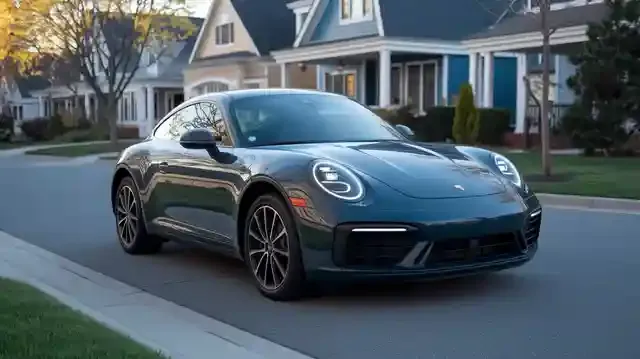
Data from recent studies confirm this surging interest. According to the latest statistics, sales of used cars have jumped by 15% in the past year alone, dwarfing the growth rate of new car sales, which hovered around a modest 3%. More than ever, consumers are recognizing the economic advantages of opting for a pre-owned vehicle, especially given the rapid depreciation of new cars.
Key Factors Driving the Used Car Market
One of the primary catalysts for the growing enthusiasm toward used cars is cost-effectiveness. Economically, buying a used car offers significant savings. On average, a used vehicle costs about 20-30% less than its brand-new counterpart with comparable features. This substantial price difference allows consumers to access higher-end models or diversify their expenses into different areas like insurance or maintenance.
Moreover, the quality of used cars has improved dramatically. Thanks to advancements in manufacturing and maintenance technologies, today's used cars often come with extended lifespans and improved reliability. Many certified pre-owned programs now offer comprehensive warranties and thorough inspections, ensuring that the vehicle is in tip-top condition.
Aside from financial considerations, sustainability is a crucial factor powering the appeal of used cars. In 2025, environmental consciousness is at its peak, and choosing a used car is a more eco-friendly decision. By buying used, consumers are participating in a circular economy, reducing demand for new production and therefore curbing unnecessary resource extraction and emissions.
Technological advancements have also played a role in this revolution. The digital age has made it easier than ever for consumers to access detailed histories and reviews of used cars, including ownership logs, accident reports, and service records. Online marketplaces and platforms allow users to compare a wide range of options conveniently and transparently, empowering buyers to make informed decisions without leaving their homes.
Interestingly, the shift in societal attitudes towards ownership has further fueled the trend. Younger generations, especially millennials and Gen Z, prioritize experiences over possessions. This cultural shift means that they are less concerned about owning the latest models and more interested in optimizing their resources for travel or personal development.
These trends are reflected in case studies across various demographics. For instance, in urban centers like San Francisco and New York, there's been an evident shift. Urban dwellers opt for used cars that are more affordable and practical in tight, city environments. Suburban families, on the other hand, favor used SUVs, balancing space requirements with financial sensibility. The versatility of the used car market ensures there’s a fit for everyone, regardless of lifestyle.
In closing, the landscape of automobile ownership in 2025 is one where used cars reign supreme, offering unmatched benefits across the board. As the world progresses towards a more sustainable, economically savvy future, the used car market is not just a temporary craze—it's a testament to an era of intelligent consumerism.
Authored by 24Trendz team