What to Eat if You Have Trouble Falling Asleep: A Guide to Sleep-Inducing Foods
Facts:
- Over a third of adults experience difficulty sleeping.
- Dietary choices significantly impact better sleep for individuals with sleep disturbances.
Unlocking Restful Nights: Your Guide to Sleep-Inducing Foods
Many individuals find themselves tossing and turning, grappling with the pervasive issue of trouble falling asleep. While various factors contribute to restless nights, the foods we consume play a surprisingly critical role in regulating our sleep cycles. Understanding which culinary choices can act as natural sleep aids is paramount for those seeking a more consistent and restorative slumber. This comprehensive guide delves into the specific nutrients and compounds found in everyday foods that can significantly enhance your ability to achieve better sleep, transforming your evening routine into a pathway to tranquility.
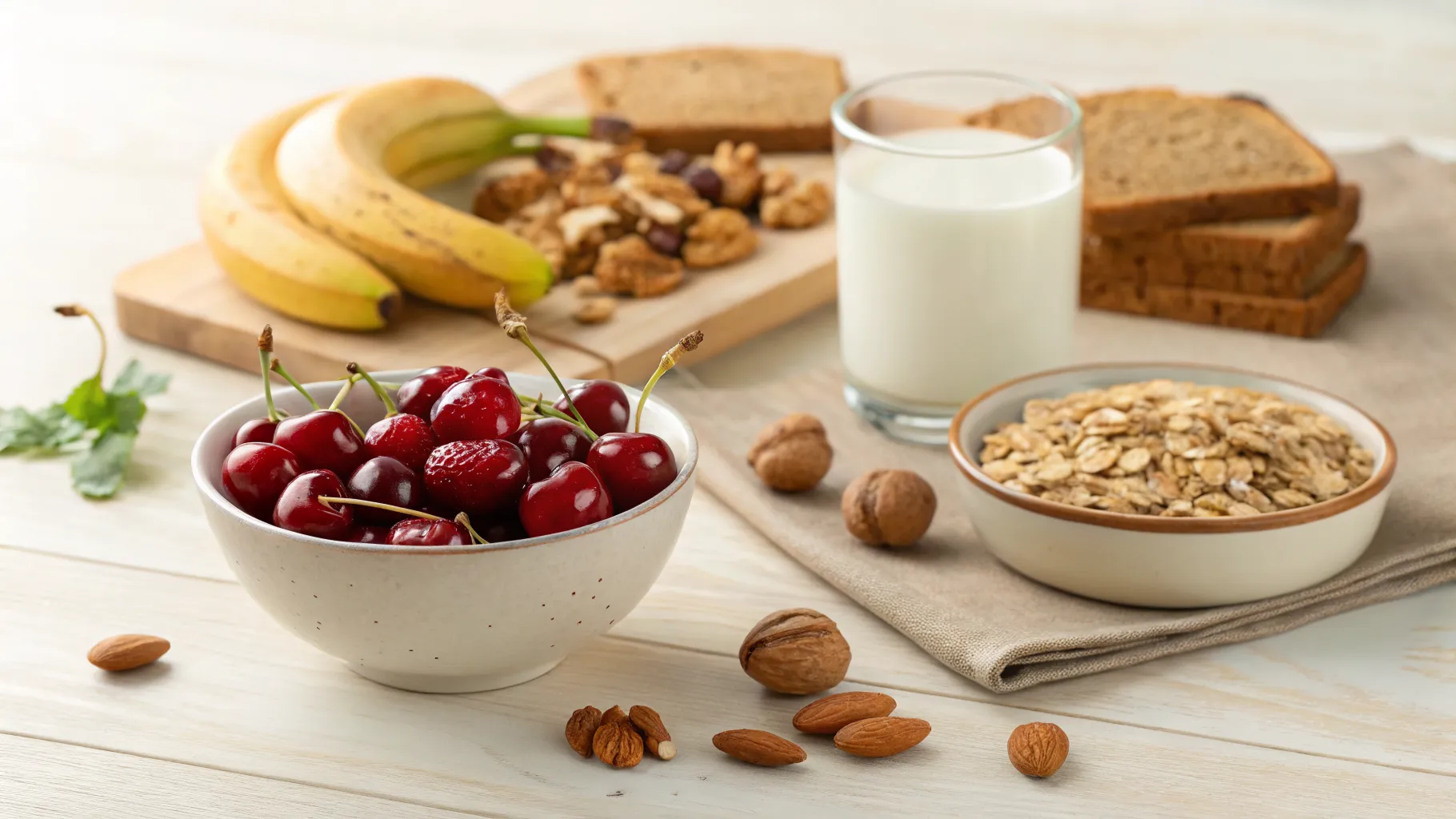
The Science Behind Food and Sleep
The intricate relationship between what we eat and our sleep quality is rooted in neurochemistry. Certain foods contain amino acids like tryptophan, which is a precursor to serotonin and melatonin – two crucial hormones that regulate sleep. Serotonin helps calm the mind, while melatonin directly controls our sleep-wake cycle. Beyond these, minerals such as magnesium and calcium also play a pivotal role in muscle relaxation and nerve function, both essential for easing into sleep. An understanding of these biochemical pathways is the first step in crafting an effective insomnia diet that genuinely supports restorative sleep and helps overcome trouble falling asleep.
Top Categories of Sleep-Inducing Foods
Incorporating a diverse range of nutrients is key to optimizing your sleep. Focusing on food groups rich in specific compounds can provide the synergistic benefits needed to promote relaxation and prepare your body for rest. This section details the primary categories of foods known for their ability to act as powerful natural sleep aids.
Dairy Products and Tryptophan
Warm milk, cheese, and yogurt are classic comfort foods, and for good reason. They are excellent sources of tryptophan, the amino acid that converts into serotonin and then melatonin in the brain. A small serving of cottage cheese before bed, for example, can provide a steady supply of tryptophan, helping to calm the nervous system and nudge you towards better sleep without heavy digestion. Opt for low-fat versions to avoid digestive discomfort that could disrupt sleep.
Whole Grains and Complex Carbohydrates
While often cautioned against late at night, complex carbohydrates like oats, whole-wheat bread, and brown rice can actually be beneficial. They promote insulin release, which helps tryptophan enter the brain more easily. This gentle rise in blood sugar, followed by a steady decline, can create a soothing effect. A small bowl of oatmeal or a piece of whole-wheat toast with a little nut butter can be a great pre-bed snack to combat trouble falling asleep, providing the necessary metabolic support for melatonin production.
Nuts and Seeds: Magnesium Powerhouses
Almonds, walnuts, flaxseeds, and pumpkin seeds are rich in magnesium, a mineral vital for muscle and nerve function. Magnesium helps relax muscles and can alleviate anxiety, both of which are common culprits when experiencing trouble falling asleep. Additionally, walnuts contain their own natural source of melatonin. A small handful of these nutrient-dense snacks can be a simple yet effective component of an insomnia diet, contributing significantly to achieving better sleep.
Fatty Fish and Vitamin D
Salmon, tuna, and mackerel are not only good for heart health but also excellent sources of vitamin D and omega-3 fatty acids, particularly DHA. Research suggests that vitamin D levels are linked to sleep quality, and omega-3s have anti-inflammatory properties that can reduce sleep disturbances. Regular consumption of these fatty fish can be a long-term strategy to improve overall sleep health and serve as powerful natural sleep aids.
Tart Cherries and Cherry Juice
Tart cherries are one of the few natural food sources of melatonin. Studies have shown that consuming tart cherry juice can improve both the quality and duration of sleep, particularly for those with chronic trouble falling asleep. A small glass of tart cherry juice an hour or two before bed can be a delicious and effective addition to your evening routine, directly boosting your body's sleep hormone levels.
Beyond Specific Foods: Cultivating an Effective Insomnia Diet
While individual foods are important, the overall pattern of your eating significantly impacts your ability to achieve better sleep. It's not just about what you eat, but also when and how much. Heavy, rich meals close to bedtime can lead to indigestion and discomfort, making it difficult to relax. Conversely, going to bed extremely hungry can also disrupt sleep. Aim for your last substantial meal at least 2-3 hours before sleep, and if a snack is needed, make it a light, tryptophan-rich option from the categories above. Consistent meal times also help regulate your body's internal clock, further supporting healthy sleep patterns.
Comparison of Common Natural Sleep Aids
When considering dietary strategies for better sleep, it's useful to compare the benefits of various sleep-inducing foods. For instance, while both dairy and nuts provide essential compounds, dairy offers tryptophan for direct serotonin/melatonin conversion, whereas nuts excel in magnesium and sometimes contain melatonin directly. Tart cherries stand out for their direct melatonin content, offering a potent boost for those with significant trouble falling asleep. Whole grains provide complex carbohydrates to facilitate tryptophan uptake. Each food group contributes uniquely, and a balanced approach incorporating elements from all these categories typically yields the best results for an effective insomnia diet. The key is to avoid relying solely on one type of food and instead embrace a varied intake to cover all nutritional bases.
Actionable Advice for Incorporating Sleep-Inducing Foods
- Plan Your Evening Snack: About 30-60 minutes before bed, opt for a small, easily digestible snack. Good choices include a banana, a small bowl of oatmeal, a handful of almonds, or a glass of warm milk. These natural sleep aids can provide the necessary nutrients without causing digestive distress.
- Time Your Dinner Wisely: Aim to finish your main meal at least 2-3 hours before you plan to go to sleep. This allows your body sufficient time for digestion, preventing discomfort that can exacerbate trouble falling asleep. Avoid heavy, fatty, or spicy foods in the evening.
- Limit Caffeine and Alcohol: While tempting, both caffeine and alcohol can severely disrupt sleep architecture. Cut off caffeine intake by early afternoon and avoid alcohol close to bedtime, as it can initially induce sleepiness but leads to fragmented sleep later in the night, hindering your quest for better sleep.
- Stay Hydrated Throughout the Day: Dehydration can impact overall body function, including sleep. Ensure you drink enough water during the day, but taper off fluid intake an hour or two before bed to avoid nighttime awakenings for bathroom breaks, which can interrupt your insomnia diet efforts.
- Consult a Professional: If dietary changes alone do not alleviate your trouble falling asleep, consider consulting a healthcare provider or a registered dietitian. They can provide personalized advice and rule out underlying medical conditions that might be impacting your sleep.
Frequently Asked Questions
Can certain spices help with better sleep?
Yes, some spices like nutmeg and saffron are traditionally known for their calming properties. Nutmeg, in small doses, can have a sedative effect, while saffron has been linked to improved sleep quality in some studies. However, always use spices in moderation as part of a balanced diet rather than relying on them as primary natural sleep aids.
Is it true that cheese gives you nightmares when you have trouble falling asleep?
The idea that cheese causes nightmares is largely a myth. While heavy or rich foods, including some cheeses, might cause indigestion if eaten too close to bedtime, leading to discomfort that could influence dreams, there's no scientific evidence directly linking cheese consumption to nightmares. In fact, cheese contains tryptophan, which can aid better sleep for many.
How long does it take for an insomnia diet to show results?
The time it takes to see results from an insomnia diet can vary greatly among individuals. Some people might notice subtle improvements in sleep quality within a few days or weeks of consistent dietary changes, while for others, it might take longer. Consistency is key, along with addressing other lifestyle factors that influence sleep.
References
- Sleep Foundation. (2024). Diet and Sleep.
- National Sleep Foundation. (2023). Foods That Help You Sleep.
- Journal of Clinical Sleep Medicine. (2022). Impact of Diet on Sleep Quality.
- PubMed Central. (2024). Tryptophan, Melatonin, and Sleep.
- Harvard Medical School. (2023). Healthy Sleep.
Authored by 24Trendz team