What to Eat for Effective High Blood Pressure Management
Facts:
- Dietary changes significantly impact blood pressure.
- Globally, rising rates of hypertension for adult populations trend.
Navigating Dietary Choices for Optimal Blood Pressure Control
Managing high blood pressure effectively often begins with a critical look at one's diet. Adopting a strategic approach to what you eat is not just about avoiding certain foods but embracing a wide array of options that actively support your cardiovascular system. This comprehensive guide will explore the pivotal role of nutrition in achieving and maintaining healthy blood pressure levels, highlighting key dietary principles and specific food choices that can make a substantial difference in your journey toward better heart health nutrition.
Understanding the Principles of the DASH Diet Guidelines
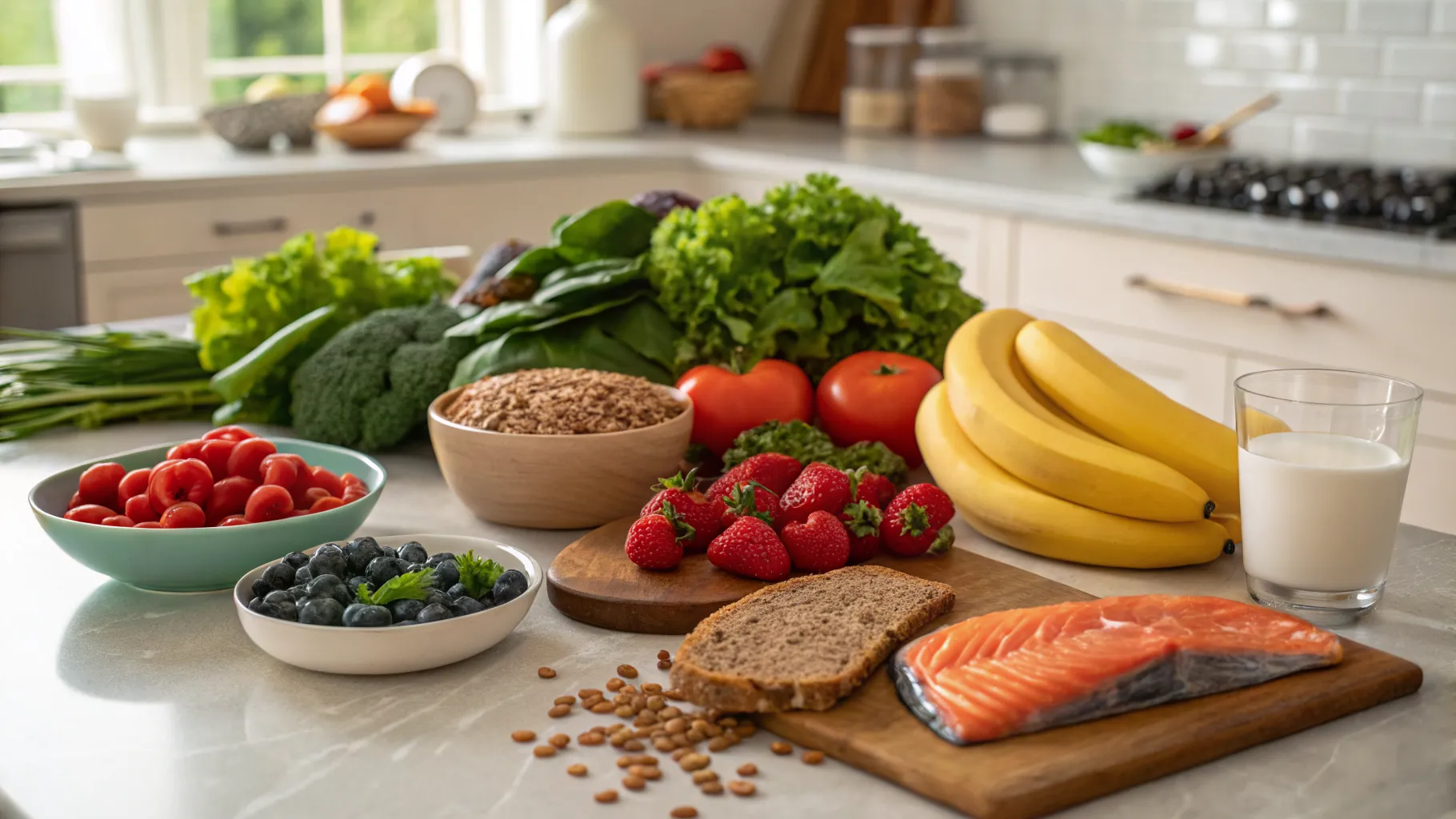
The Dietary Approaches to Stop Hypertension, or DASH diet, is widely recognized by medical professionals as one of the most effective eating plans for managing high blood pressure. This diet emphasizes whole foods, including abundant fruits, vegetables, whole grains, and lean proteins, while minimizing processed foods, red meat, and sugary beverages. It's designed to naturally increase your intake of potassium, magnesium, and calcium – minerals crucial for blood pressure regulation – and significantly reduce sodium reduction, a primary contributor to hypertension. Following the DASH diet guidelines involves a holistic shift in eating habits that supports overall wellness beyond just blood pressure control, fostering a healthier lifestyle that's sustainable and enjoyable.
Essential Heart-Healthy Foods to Include
Fruits and Vegetables
Fruits and vegetables are cornerstones of a heart-healthy diet, packed with vitamins, minerals, and fiber. Their high potassium content is particularly beneficial for counteracting the effects of sodium, making them vital for managing high blood pressure. Aim for a diverse range of colors to ensure you're getting a broad spectrum of nutrients. Examples include leafy greens like spinach and kale, brightly colored berries, bananas, oranges, and sweet potatoes, all contributing to a robust potassium-rich diet.
Whole Grains
Whole grains such as oats, brown rice, quinoa, and whole wheat bread are excellent sources of dietary fiber. Fiber not only aids digestion but also plays a role in lowering cholesterol and contributing to stable blood pressure levels. Opting for whole grains over refined grains can significantly enhance your body's ability to maintain healthy circulation and support overall heart health nutrition.
Lean Proteins
Incorporating lean protein sources is crucial for muscle repair and satiety without adding excessive saturated fat, which can be detrimental to cardiovascular health. Fish, especially fatty fish rich in omega-3 fatty acids like salmon and mackerel, poultry without skin, legumes (beans, lentils), and nuts are all excellent choices. These options provide essential amino acids while complementing a diet focused on managing high blood pressure.
Low-Fat Dairy
Low-fat or fat-free dairy products are good sources of calcium and vitamin D, both of which are important for maintaining healthy blood pressure. Yogurt, milk, and cottage cheese can be integrated into your daily meals and snacks as part of a balanced approach to heart-healthy eating, ensuring adequate intake of these vital minerals.
Mastering Sodium Reduction for Better Health
One of the most impactful dietary changes for managing high blood pressure is a significant sodium reduction. High sodium intake can lead to fluid retention, increasing the volume of blood and thereby raising blood pressure. Most of the sodium we consume comes from processed and packaged foods, not just the salt shaker. Therefore, it's essential to become a vigilant label reader, choosing low-sodium versions of your favorite products. Preparing meals at home allows for greater control over sodium content, enabling you to use herbs and spices for flavor instead of relying on excessive salt.
Consider the comparison between a typical processed meal and a home-cooked one. A frozen pizza can easily contain over 1000 mg of sodium per serving, whereas a homemade whole-wheat pizza with fresh vegetables and lean protein, seasoned with herbs, might contain less than 300 mg. This stark difference highlights the importance of mindful food choices in achieving effective sodium reduction and supporting your goal of managing high blood pressure.
The Role of a Potassium-Rich Diet and Other Minerals
Potassium is a vital mineral that helps balance sodium levels in the body and relax blood vessel walls, both critical factors in managing high blood pressure. A potassium-rich diet is an integral part of the DASH diet and includes foods like bananas, avocados, leafy greens, potatoes, and tomatoes. Beyond potassium, magnesium and calcium also play significant roles in blood pressure regulation. Magnesium helps relax blood vessels, while calcium contributes to their proper function. Ensuring adequate intake of these minerals through a varied diet, rather than relying solely on supplements, is key for comprehensive heart health nutrition.
Practical Strategies for Managing High Blood Pressure Through Diet
Meal Planning: Dedicate time each week to plan your meals. This proactive approach helps ensure you have heart-healthy foods on hand and reduces the likelihood of resorting to less healthy, high-sodium options when hunger strikes. Focus on incorporating elements of the DASH diet into every meal.
Reading Food Labels: Become an expert at deciphering food labels. Pay close attention to sodium content, looking for
Authored by 24Trendz team