Achieve Radiant Skin: What to Eat for Optimal Skin Health
Facts:
- Diet significantly impacts skin appearance and vitality.
- Interest in glowing skin foods for improved complexion is surging globally.
Unlocking Radiant Complexions Through Your Diet
Achieving optimal skin health diet goes beyond topical creams; it starts from within. The foods we consume play a pivotal role in determining our skin's resilience, clarity, and overall glow. Understanding what to eat if you want to improve your skin health is fundamental for long-term dermatological well-being, influencing everything from hydration levels to collagen production, and actively promoting a vibrant appearance. This comprehensive guide will delve into the specific dietary choices that can transform your complexion, highlighting the essential nutrients and compounds that contribute to truly healthy, radiant skin.
The Power of Antioxidants: Protecting Your Skin from Within
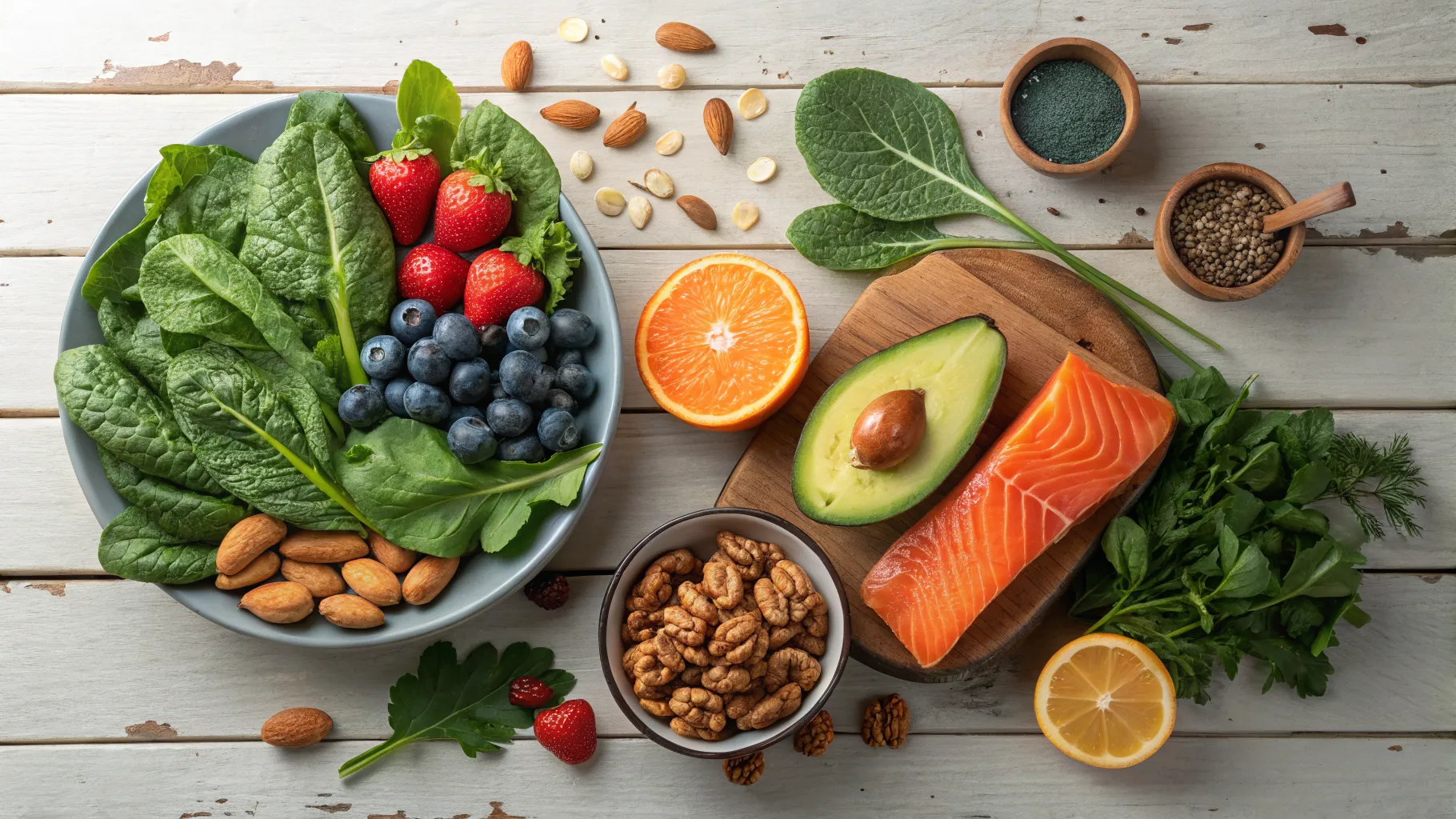
Antioxidants are crucial for combating oxidative stress, a primary contributor to skin aging and damage. These powerful compounds neutralize free radicals, unstable molecules that can harm skin cells and impair their function. A diet rich in antioxidants helps protect your skin from environmental aggressors like pollution and UV radiation, supporting its natural repair processes and maintaining a youthful appearance. Incorporating a variety of antioxidant-rich glowing skin foods is a cornerstone of any effective skin health diet strategy.
Vitamin C-Rich Foods
Vitamin C is an indispensable antioxidant and a vital co-factor for collagen synthesis. Collagen is the main structural protein in the skin, providing firmness and elasticity. Without sufficient Vitamin C, the skin's ability to produce collagen is compromised, leading to wrinkles and sagging. Excellent sources include citrus fruits (oranges, grapefruits), berries (strawberries, blueberries, raspberries), bell peppers, kiwi, and broccoli. These foods are essential collagen-boosting nutrients that significantly contribute to stronger, more resilient skin.
Vitamin E and Beta-Carotene Sources
Vitamin E works synergistically with Vitamin C to protect cell membranes from oxidative damage. It's particularly beneficial for maintaining the skin's moisture barrier and can help heal scars. Good sources include nuts (almonds, walnuts), seeds (sunflower seeds), spinach, and avocado. Beta-carotene, a precursor to Vitamin A, is another potent antioxidant found in orange and yellow fruits and vegetables like carrots, sweet potatoes, and pumpkins. It helps protect the skin from sun damage and promotes cell turnover, contributing to a smoother, healthier complexion.
Essential Fatty Acids: The Building Blocks for Healthy Skin
Essential fatty acids (EFAs), particularly Omega-3 and Omega-6, are vital for maintaining the skin's lipid barrier, which is crucial for retaining moisture and protecting against irritants. These fats are 'essential' because the body cannot produce them and they must be obtained through diet. A balanced intake of EFAs is fundamental for comprehensive healthy skin nutrition, ensuring that your skin remains supple, hydrated, and free from excessive inflammation.
Omega-3 Powerhouses
Omega-3 fatty acids are celebrated for their potent anti-inflammatory properties, which can help calm various skin conditions like acne, eczema, and psoriasis. They also contribute to stronger cell membranes, leading to better hydration and a smoother texture. Excellent sources include fatty fish like salmon, mackerel, and sardines, as well as plant-based options such as flaxseeds, chia seeds, and walnuts. These are truly powerful anti-inflammatory foods that nurture skin from the inside out.
Balancing Omega-6 Intake
While Omega-6 fatty acids are also essential, a typical Western diet often provides them in excess compared to Omega-3s, which can potentially promote inflammation. It's important to consume Omega-6s from healthy sources in moderation, such as nuts, seeds, and healthy cooking oils like olive oil, rather than relying on highly processed foods that contain inflammatory vegetable oils. Achieving the right balance between these fatty acids is critical for optimizing your skin health diet.
The Role of Protein and Collagen Support
Protein is the fundamental building block for nearly all tissues in the body, including the skin. It provides the amino acids necessary for repair, regeneration, and the production of structural components like collagen and elastin. Adequate protein intake is non-negotiable for maintaining skin's integrity, firmness, and ability to heal effectively. Focusing on high-quality protein sources is a smart move for anyone considering what to eat if you want to improve your skin health.
Collagen-Boosting Foods and Nutrients
While direct collagen supplementation is popular, the body is highly efficient at producing its own collagen when provided with the right raw materials. Beyond Vitamin C, other critical collagen-boosting nutrients include zinc (found in oysters, beef, pumpkin seeds), copper (found in nuts, seeds, dark leafy greens), and amino acids like proline and glycine (abundant in bone broth, lean meats, and legumes). Consuming these nutrients ensures your body has all it needs to synthesize and maintain robust collagen structures, vital for youthful, resilient skin.
Hydration and Gut Health: The Inner-Outer Connection
The saying 'you are what you eat' extends profoundly to gut health, which has an undeniable impact on the skin. A healthy gut microbiome can influence systemic inflammation and nutrient absorption, directly affecting your skin's clarity and resilience. Similarly, proper hydration is paramount, as water is essential for every bodily function, including maintaining skin plumpness and elasticity. Neglecting either of these can undermine even the best skin health diet efforts.
Staying Hydrated for Supple Skin
Water is the most critical nutrient for healthy skin. It helps transport nutrients to skin cells, flush out toxins, and maintain skin's elasticity and plumpness. Dehydrated skin can appear dull, tight, and more prone to wrinkles. Aim to drink plenty of water throughout the day, and also incorporate hydrating foods like cucumbers, watermelon, and celery into your diet to ensure optimal internal moisture levels.
Gut Health and Skin Clarity
An imbalance in gut bacteria (dysbiosis) can lead to increased inflammation throughout the body, manifesting as skin issues like acne, rosacea, and eczema. Incorporating probiotic-rich foods (fermented foods like yogurt, kefir, sauerkraut) and prebiotic foods (fiber-rich fruits, vegetables, whole grains) can support a healthy gut microbiome. A thriving gut environment is key for efficient nutrient absorption and reduced systemic inflammation, leading to a clearer, healthier complexion, making it a crucial part of healthy skin nutrition.
Anti-Inflammatory Foods for a Clearer Complexion
Chronic inflammation is a silent aggressor for the skin, contributing to premature aging, redness, and exacerbating conditions like acne and rosacea. By consciously choosing anti-inflammatory foods, you can significantly reduce internal inflammation, leading to a calmer, more even-toned, and youthful complexion. This dietary approach provides long-term benefits far beyond temporary relief.
Spices and Herbs with Anti-Inflammatory Properties
Many common spices and herbs possess powerful anti-inflammatory compounds. Turmeric, with its active compound curcumin, is well-known for its potent anti-inflammatory effects. Ginger also has strong anti-inflammatory and antioxidant properties. Incorporating these into your daily cooking not only enhances flavor but also provides therapeutic benefits for your skin, making them excellent additions to a targeted skin health diet.
Green Tea Benefits
Green tea is packed with polyphenols, particularly epigallocatechin gallate (EGCG), a powerful antioxidant and anti-inflammatory compound. Regular consumption of green tea can help protect the skin from UV damage, reduce inflammation, and even improve skin elasticity. Its widespread benefits make it a superior beverage choice for supporting overall skin health and vitality.
Practical Strategies for a Skin-Friendly Diet
Adopting a skin-friendly diet doesn't have to be complicated. By focusing on whole, unprocessed foods and making conscious choices, you can dramatically improve your skin's appearance and health. Here are some actionable steps to integrate into your daily routine:
- Prioritize Whole Foods: Build your meals around fresh fruits, vegetables, lean proteins, and whole grains. These foods provide a complete spectrum of vitamins, minerals, and antioxidants crucial for a vibrant complexion. They are the foundation for any successful skin health diet.
- Hydrate Consistently: Make water your primary beverage. Keep a water bottle handy and sip throughout the day. Herbal teas can also contribute to your daily fluid intake. Consistent hydration is critical for maintaining skin plumpness and elasticity.
- Mindful Snacking: Opt for healthy snacks like a handful of nuts, seeds, berries, or a piece of fruit instead of processed alternatives. These choices contribute valuable nutrients and avoid inflammatory ingredients.
- Limit Processed Foods and Sugars: Foods high in refined sugars and unhealthy fats can trigger inflammation and contribute to skin issues. Reducing their intake is a significant step towards improving your skin's health and achieving a clearer complexion.
- Consult a Professional: If you have specific skin concerns or dietary needs, consider consulting a dermatologist or a registered dietitian. They can provide personalized advice and help you tailor a healthy skin nutrition plan that addresses your unique requirements.
Frequently Asked Questions
Can diet alone guarantee perfect skin?
While diet is a powerful tool for improving skin health, it's one component alongside genetics, lifestyle, skincare routine, and environmental factors. A healthy diet significantly enhances skin quality but works best as part of a holistic approach.
How quickly can I see results from a skin health diet?
Results vary depending on individual factors and the consistency of the diet. Some individuals may notice improvements in skin hydration and clarity within a few weeks, while significant changes in concerns like acne or fine lines might take a few months of consistent adherence to glowing skin foods.
Are there any foods to avoid for better skin?
Limiting highly processed foods, excessive sugar, refined carbohydrates, and potentially some dairy products can often improve skin health diet outcomes for many individuals. These items can contribute to inflammation and exacerbate certain skin conditions.
References
- Journal of Dermatological Science: The Role of Nutrition in Skin Health.
- American Academy of Dermatology: Diet and Acne.
- British Journal of Nutrition: Essential Fatty Acids and Skin Structure.
Authored by 24Trendz team