Combat Seasonal Allergies: Your Guide to Allergy Relief Foods
Fast Facts:
- Over 50 million Americans suffer from seasonal allergies.
- Global incidence of allergic rhinitis is steadily increasing for all age groups.
Understanding the Link Between Diet and Seasonal Allergies
As the seasons change and pollen counts rise, many individuals find themselves battling the uncomfortable symptoms of seasonal allergies. From sneezing and itchy eyes to nasal congestion and fatigue, these reactions can significantly impact daily life. While conventional treatments offer relief, a growing body of research suggests that what we put on our plates can play a pivotal role in managing or even mitigating allergy symptoms. Adopting an anti-inflammatory diet rich in specific nutrients can help bolster your body's defenses and reduce allergic responses.
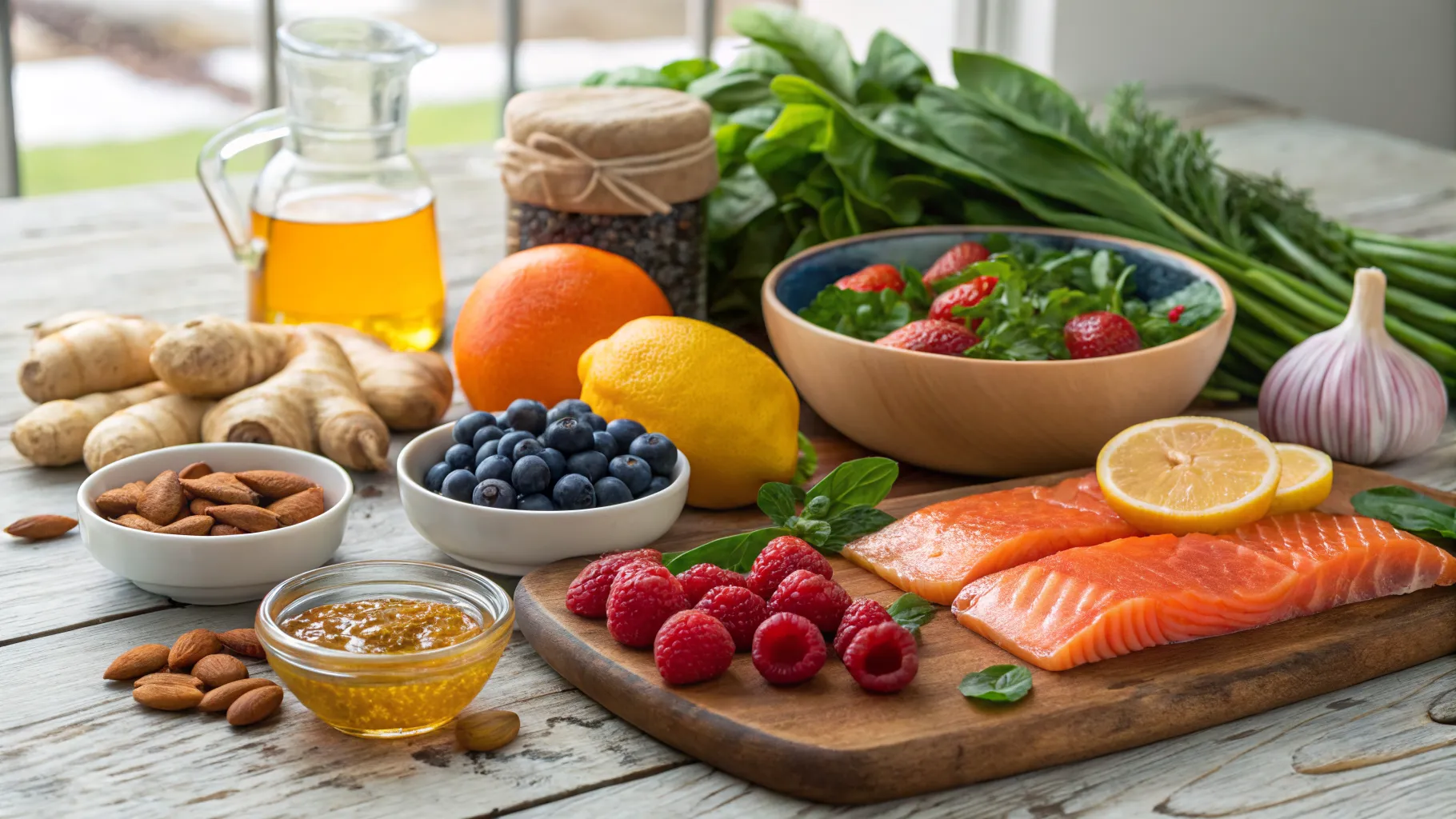
The Power of an Anti-Inflammatory Diet for Allergy Relief
Inflammation is the body's natural response to injury or infection, but in the context of seasonal allergies, it becomes an overactive defense mechanism against harmless substances like pollen. This systemic inflammation can exacerbate symptoms, leading to heightened discomfort. By focusing on an anti-inflammatory diet, you can help calm this overzealous immune response, thereby reducing the intensity and duration of your allergic reactions. This approach doesn't just mask symptoms; it addresses the underlying inflammatory processes.
Incorporating foods with powerful anti-inflammatory properties can create a protective shield within your body, making you less susceptible to the widespread discomfort associated with pollen, dust mites, or pet dander. The right nutritional choices can significantly impact your body's ability to cope with environmental triggers, promoting overall wellness and providing substantial relief during peak allergy seasons.
Immune-Boosting Foods to Incorporate
Certain foods are packed with compounds that naturally support immune function and help fight inflammation, making them essential components of an allergy relief diet:
Vitamin C-Rich Foods: Citrus fruits, bell peppers, berries, and broccoli are excellent sources of Vitamin C, a potent antioxidant that can reduce histamine levels and strengthen blood vessel integrity, easing allergy symptoms.
Quercetin-Containing Foods: Found in apples, onions, berries, capers, and red grapes, quercetin is a flavonoid with antihistamine and anti-inflammatory properties, potentially stabilizing mast cells that release histamine.
Omega-3 Fatty Acids: Oily fish like salmon, mackerel, and sardines, as well as flaxseeds and walnuts, are rich in omega-3s, which are renowned for their anti-inflammatory effects throughout the body, helping to soothe irritated airways and nasal passages.
Bromelain: This enzyme, found predominantly in pineapple, possesses anti-inflammatory and mucolytic properties, which can help reduce swelling and thin mucus associated with **seasonal allergies**, making breathing easier.
Probiotics: Fermented foods such as yogurt, kefir, sauerkraut, and kimchi introduce beneficial bacteria to the gut, which plays a crucial role in immune regulation. A healthy gut microbiome can help modulate the immune response, potentially dampening allergic reactions.
Ginger and Turmeric: These spices are powerful anti-inflammatory agents. Curcumin in turmeric and gingerols in ginger can significantly reduce inflammation, providing relief from congestion and other allergy-related discomforts.
Foods to Avoid or Limit When Battling Seasonal Allergies
Just as certain foods can help, others can exacerbate allergy symptoms by promoting inflammation or containing high levels of histamine. Limiting or avoiding these can be a key strategy in managing seasonal allergies effectively. Highly processed foods, refined sugars, and excessive amounts of dairy can contribute to systemic inflammation, making your body more reactive to allergens. Pay close attention to how your body responds to these items, as individual sensitivities can vary greatly.
For some, foods high in histamines might also be problematic. These include aged cheeses, fermented foods like sauerkraut and kimchi (ironically, some people react to them despite probiotic benefits), cured meats, alcoholic beverages (especially red wine and beer), and even some fruits like strawberries and tomatoes. While not everyone will react to these, identifying personal triggers is crucial for optimizing your allergy relief diet. Reducing your exposure to these potential irritants can significantly alleviate the burden on your immune system during high pollen seasons.
Hydration and Herbal Support for Allergy Relief
Staying adequately hydrated is fundamental for managing seasonal allergies. Drinking plenty of water helps to thin mucus, making it easier to expel and reducing nasal congestion. Herbal teas, such as ginger tea with honey, peppermint tea, or chamomile tea, can offer soothing relief for irritated throats and sinuses due to their anti-inflammatory and decongestant properties. Local raw honey is often cited as a natural remedy for allergies; while scientific evidence is mixed, the theory is that consuming small amounts of local pollen via honey may help build tolerance over time for some individuals. However, its effectiveness can vary greatly and should be approached as a complementary strategy rather than a primary treatment.
Crafting Your Allergy Relief Diet Plan
Start with a Food Diary: Keep a detailed record of what you eat and any corresponding allergy symptoms. This can help you identify specific food triggers that exacerbate your seasonal allergies, allowing you to personalize your allergy relief diet more effectively.
Prioritize Whole, Unprocessed Foods: Focus on fresh fruits, vegetables, lean proteins, and whole grains. These foods provide essential nutrients and antioxidants while minimizing exposure to inflammatory additives often found in processed items. This foundational shift is crucial for an effective anti-inflammatory diet.
Cook at Home More Often: Preparing your meals allows you to control the ingredients, ensuring you're incorporating plenty of immune-boosting foods and avoiding hidden allergens or inflammatory components. Experiment with new recipes that feature your allergy-friendly ingredients.
Consult a Professional: Consider speaking with a registered dietitian or an allergist. They can provide personalized advice, conduct allergy testing, and help you develop a comprehensive nutrition plan tailored to your specific needs and sensitivities, especially regarding potential **histamine-rich foods** to manage.
Be Patient and Consistent: Dietary changes take time to yield results. Consistency is key. Stick with your new eating habits for several weeks or even months to observe the full benefits in managing your seasonal allergies. Gradual improvements are often more sustainable and effective in the long run.
Frequently Asked Questions
Can an anti-inflammatory diet really cure seasonal allergies?
While an anti-inflammatory diet may not
Authored by 24Trendz team