What to Eat for Headache Relief: A Comprehensive Guide to Migraine Diet
Fast Facts:
- Dietary changes can significantly reduce headache frequency.
- Magnesium-rich foods are key for migraine prevention for many.
Understanding the Link Between Diet and Frequent Headaches
Frequent headaches can be debilitating, impacting daily life and productivity. While various factors contribute to these painful episodes, emerging research consistently highlights the profound connection between our diet and the occurrence of headaches, including migraines. Understanding what to eat if you experience frequent headaches is not merely about avoiding triggers, but also about incorporating nutrient-dense headache relief foods that can actively prevent and alleviate symptoms. Adopting a well-planned migraine diet can be a powerful tool in managing chronic head pain and improving overall well-being.
Powering Up with Headache Relief Foods
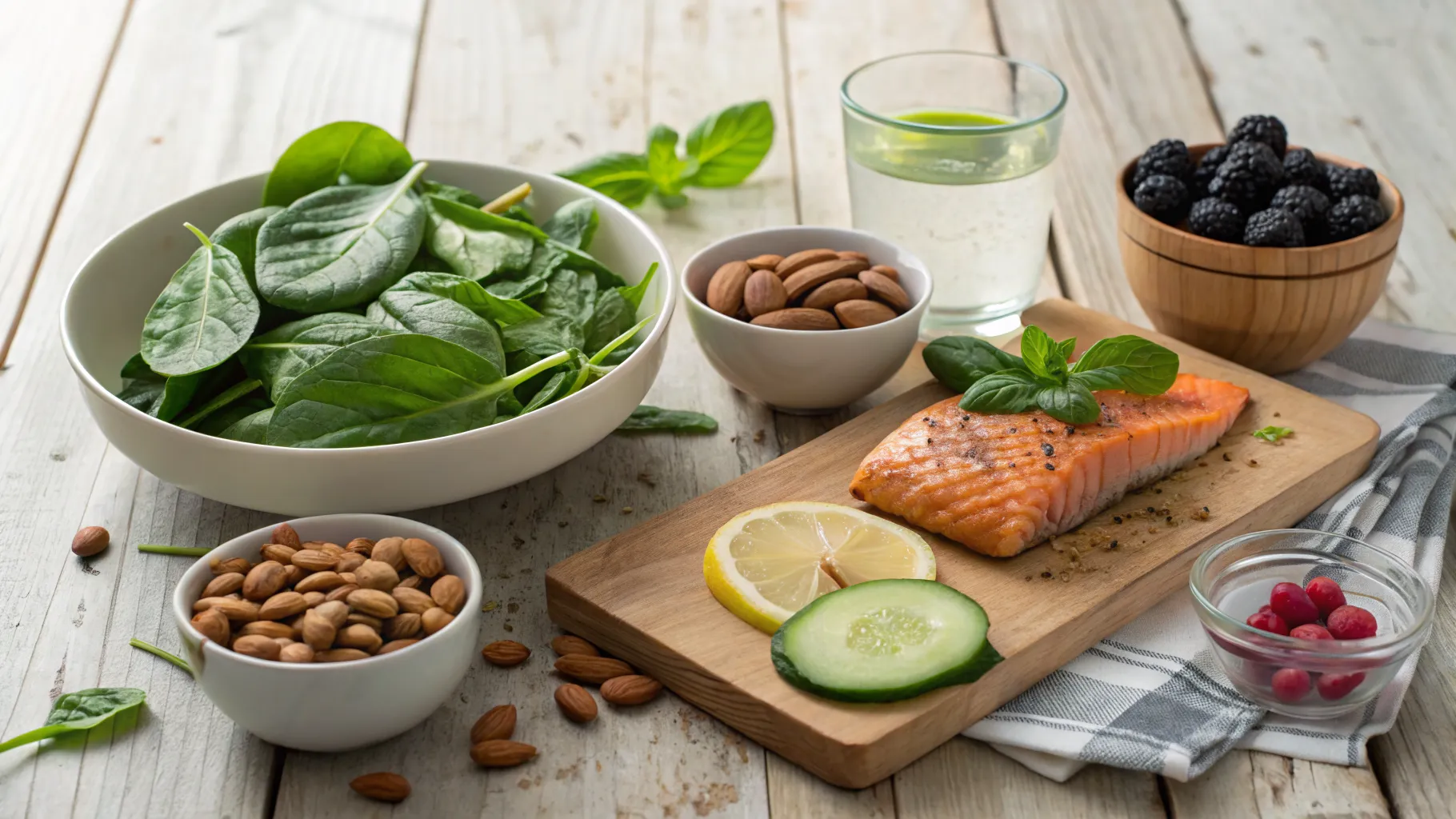
Incorporating specific nutrients and foods into your daily routine can significantly contribute to preventing headaches. Many natural compounds found in whole foods act as anti-inflammatories or play crucial roles in neurological function. For instance, magnesium is a vital mineral often deficient in individuals who suffer from migraines. Foods rich in magnesium include dark leafy greens like spinach, almonds, avocados, and black beans. Similarly, riboflavin (Vitamin B2) has shown promise in reducing headache frequency. Excellent sources of riboflavin are mushrooms, almonds, and certain fortified cereals. Omega-3 fatty acids, found abundantly in fatty fish like salmon and mackerel, possess potent anti-inflammatory foods properties that can reduce systemic inflammation, a common underlying factor in various types of headaches. Prioritizing these foods to prevent headaches can fortify your body's defenses against pain.
Identifying and Avoiding Dietary Triggers
While some foods offer relief, others can act as significant dietary triggers for headaches. These triggers vary widely among individuals, making a personalized approach crucial. Common culprits include aged cheeses, processed meats (containing nitrates), artificial sweeteners (like aspartame), certain food additives (MSG), chocolate, caffeine (both excess and withdrawal), and alcohol, particularly red wine. Keeping a detailed food diary is an invaluable tool for identifying your specific triggers. By meticulously recording what you eat and when your headaches occur, you can establish patterns and pinpoint the foods that consistently precede your pain. Eliminating these identified triggers, even temporarily, can provide significant insight into your headache patterns and pave the way for a more effective migraine diet.
The Role of Hydration and Electrolytes
Dehydration is a frequently overlooked yet common cause of headaches. Even mild dehydration can lead to dull, throbbing head pain, often accompanied by fatigue and difficulty concentrating. Ensuring adequate fluid intake throughout the day is a simple yet powerful strategy for headache prevention. Beyond plain water, incorporating hydrating foods like cucumber, watermelon, and celery can contribute to your daily fluid needs. Furthermore, maintaining a proper balance of electrolytes is essential for nerve function and overall hydration. Electrolytes such as potassium, magnesium, and sodium are crucial. Potassium-rich foods like bananas, avocados, and sweet potatoes can help sustain this balance, supporting the body's ability to prevent and recover from headaches. Consistent hydration is a cornerstone of any effective strategy for headache relief foods.
Adopting an Anti-Inflammatory Eating Pattern
Chronic inflammation within the body is increasingly recognized as a contributing factor to numerous health issues, including headaches and migraines. An anti-inflammatory eating pattern emphasizes whole, unprocessed anti-inflammatory foods that naturally reduce inflammation. This diet typically includes a wide array of colorful fruits and vegetables (berries, leafy greens, bell peppers), whole grains (oats, quinoa, brown rice), lean proteins (fish, poultry, legumes), and healthy fats (olive oil, avocados, nuts, seeds). By consistently choosing foods that combat inflammation, you can help regulate your body's inflammatory responses, potentially leading to a reduction in headache frequency and severity. This dietary approach closely aligns with the principles of a comprehensive migraine diet, fostering a healthier internal environment.
Lifestyle Adjustments Complementing Your Diet
While dietary changes are paramount, their effectiveness is often enhanced when integrated with other healthy lifestyle adjustments. Adequate sleep, for example, plays a critical role in neurological health; sleep deprivation is a known headache trigger. Establishing a regular sleep schedule can significantly reduce headache incidence. Stress management techniques such as meditation, yoga, or deep breathing exercises can also lessen the physiological tension that often culminates in headaches. Furthermore, maintaining regular meal times prevents blood sugar fluctuations, which can trigger headaches in some individuals. Combining these holistic approaches with your personalized plan of headache relief foods creates a robust strategy for long-term headache prevention and overall well-being. It's about nurturing your body from every angle.
Contrasting a Typical Diet with a Headache-Preventative Approach
Many modern diets, often high in processed foods, refined sugars, and unhealthy fats, can inadvertently contribute to inflammation and nutritional deficiencies, thereby increasing susceptibility to headaches. A typical Western diet, for instance, often lacks the abundant fruits, vegetables, and whole grains that are central to foods to prevent headaches. In contrast, a headache-preventative diet prioritizes nutrient density, focusing on whole, unprocessed ingredients that provide essential vitamins, minerals, and anti-inflammatory compounds. It actively reduces consumption of known triggers and emphasizes consistent hydration and balanced blood sugar. This strategic shift from a reactive, trigger-laden diet to a proactive, nourishing one can dramatically alter the landscape of headache frequency and intensity for many sufferers, moving them towards sustained relief.
Practical Strategies for a Headache-Free Diet
- Keep a detailed food diary: For at least 2-4 weeks, meticulously record everything you eat and drink, along with any headache symptoms, their severity, and onset time. This is the most effective way to identify your unique dietary triggers.
- Gradually introduce new foods: When eliminating potential triggers, do so one at a time and reintroduce them slowly to confirm their role. This systematic approach helps pinpoint specific problematic items without unnecessarily restricting your diet.
- Stay consistently hydrated: Aim for at least 8-10 glasses of water daily, and consider incorporating hydrating fruits and vegetables. Carry a water bottle as a constant reminder to sip throughout the day to prevent dehydration-induced headaches.
- Prioritize whole, unprocessed foods: Focus on a diet rich in fruits, vegetables, whole grains, lean proteins, and healthy fats. These anti-inflammatory foods provide essential nutrients and reduce exposure to additives that can trigger headaches.
- Consult a professional: If you're struggling to identify triggers or implement a suitable migraine diet, consider consulting a registered dietitian or a healthcare provider specializing in headache management. They can offer personalized guidance and support.
Frequently Asked Questions
Can specific foods really prevent headaches?
Yes, certain foods are rich in nutrients like magnesium, riboflavin, and omega-3 fatty acids, which have been shown to reduce the frequency and severity of headaches for many individuals. Incorporating these foods to prevent headaches can build your body's resilience against pain.
What are common dietary triggers for migraines?
Common dietary triggers for migraines include aged cheeses, processed meats, artificial sweeteners, caffeine (both excess and withdrawal), chocolate, red wine, and certain food additives like MSG. However, triggers are highly individual, so tracking your intake is key.
How long does it take to see results from a migraine diet?
The time to see results from a migraine diet varies. Some people may notice improvements within a few weeks of eliminating triggers and adopting a healthier eating pattern, while for others, it may take a few months of consistent effort and tracking to fully understand and manage their symptoms effectively.
References
- National Headache Foundation. Diet and Headache.
- American Migraine Foundation. Diet and Migraine.
- Journal of Headache and Pain. Nutritional aspects of migraine.
Authored by 24Trendz team