What to Eat for Chronic Bloating Relief: A Guide to Gut-Friendly Foods
Facts:
- Chronic bloating affects millions globally.
- Dietary changes are a primary trend for bloating relief.
Understanding Chronic Bloating and Its Dietary Triggers
For many, the discomfort of chronic bloating is a daily challenge, impacting quality of life and often leading to frustration. This persistent distention and gas in the abdomen can be attributed to a myriad of factors, including dietary choices, digestive imbalances, and underlying health conditions. Navigating what to eat when you struggle with this condition is paramount to achieving significant bloating relief and fostering overall well-being. Focusing on specific food groups and preparation methods can make a profound difference in managing symptoms and restoring digestive comfort.
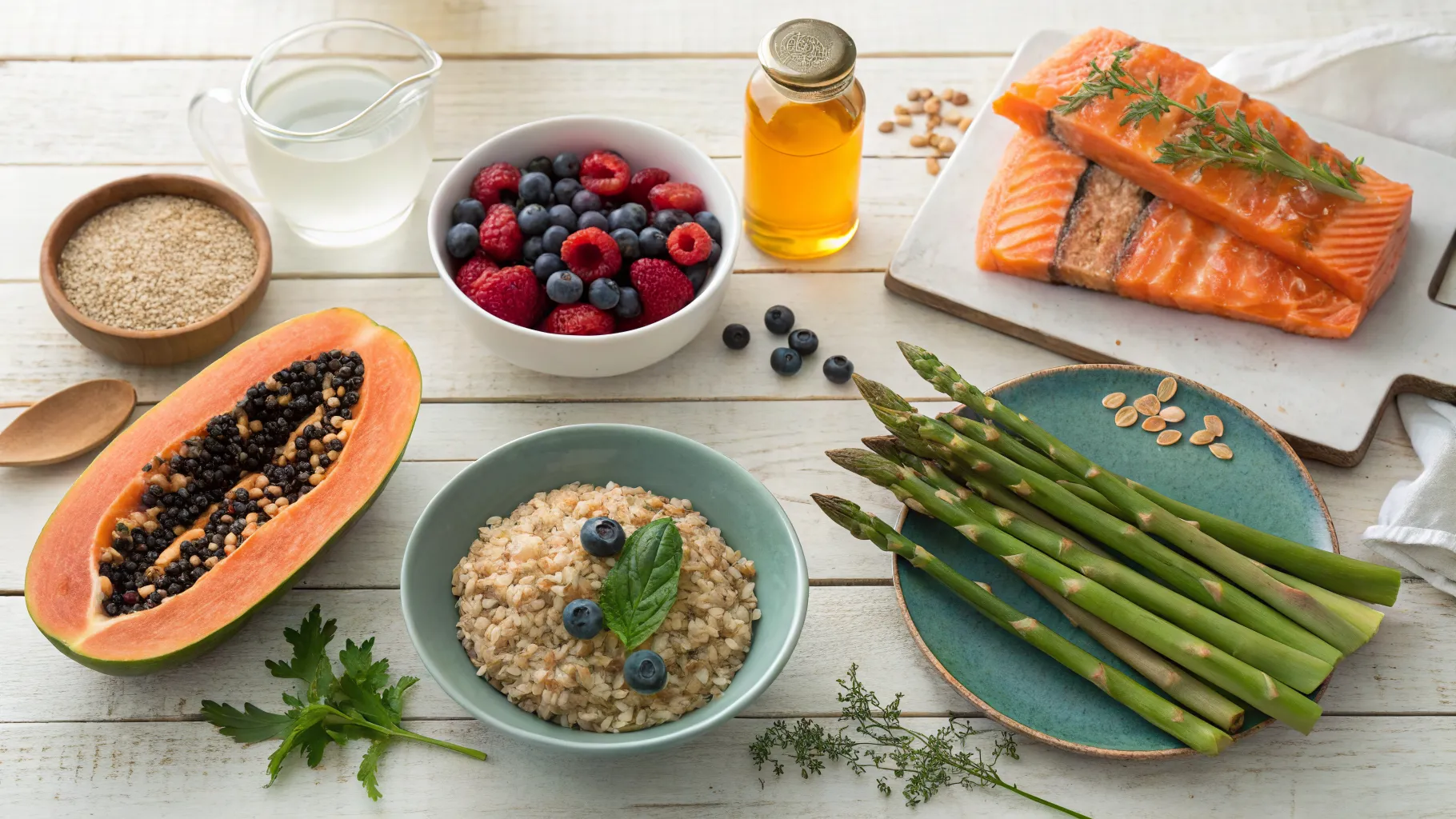
Foods to Embrace for Optimal Digestive Health
Fiber-Rich Fruits and Vegetables
Incorporating adequate fiber is crucial for maintaining regular bowel movements and preventing constipation, a common contributor to chronic bloating. However, the type of fiber matters. Opt for soluble fiber found in foods like ripe bananas, berries, kiwi, and cooked carrots. These fibers dissolve in water, forming a gel-like substance that aids smooth digestion. Certain vegetables, while healthy, can cause gas for some; prioritize easily digestible options such as spinach, zucchini, cucumber, and cooked sweet potatoes. Gradually increasing fiber intake is key to allowing your digestive system to adapt and avoid exacerbating symptoms. A balanced approach ensures you receive essential nutrients without overwhelming your system, leading to better bloating relief.
Lean Proteins for Gut Health
Protein is an essential macronutrient, and selecting lean sources can support digestive health without causing excessive gas or discomfort. Choices such as grilled chicken, turkey, fish (like salmon and cod), and eggs are generally well-tolerated. Plant-based proteins like tofu and tempeh can also be excellent options, though some individuals might find soy products contribute to gas, so personal tolerance should be assessed. These proteins provide the building blocks for tissue repair and enzyme production, crucial for a healthy digestive tract, and can be a core component of an effective anti-bloating diet. Avoiding highly processed meats or those high in saturated fats can also contribute to improved gut comfort.
Fermented Foods: Probiotic Powerhouses
Fermented foods are celebrated for their probiotic content, which introduces beneficial bacteria to the gut, potentially improving digestive health and reducing bloating. Plain, unsweetened yogurt, kefir, sauerkraut, kimchi, and kombucha are excellent additions to an anti-bloating diet. These living microorganisms can help balance the gut microbiome, break down food more efficiently, and reduce gas production. When introducing fermented foods, start with small portions to allow your system to adjust, as some individuals might initially experience mild gas or discomfort before the beneficial effects become prominent. Consistent consumption can lead to significant bloating relief over time.
Hydration and Herbal Teas
Staying adequately hydrated is fundamental for all bodily functions, including digestion. Water helps soften stool, promoting regular bowel movements and preventing constipation, which is a major cause of chronic bloating. Beyond plain water, certain herbal teas can offer soothing properties. Peppermint tea is renowned for its ability to relax the digestive muscles and ease gas, while ginger tea can stimulate digestion and reduce nausea. Fennel tea is another excellent option, known for its carminative properties that help expel gas. Integrating these beverages throughout your day can be a simple yet effective strategy for enhancing bloating relief and supporting overall digestive health.
Understanding the Role of Low-FODMAP Foods
For individuals with severe or persistent chronic bloating, particularly those with Irritable Bowel Syndrome (IBS), a low-FODMAP (Fermentable Oligo-, Di-, Mono-saccharides And Polyols) diet might be beneficial. FODMAPs are short-chain carbohydrates that can be poorly absorbed in the small intestine, leading to fermentation by gut bacteria and subsequent gas and bloating. This approach involves temporarily restricting high-FODMAP foods (e.g., certain fruits, vegetables, dairy, grains, and sweeteners) and then carefully reintroducing them to identify triggers. While restrictive, a low-FODMAP plan, guided by a healthcare professional, can be a powerful tool for achieving significant bloating relief and pinpointing specific dietary culprits for your digestive health issues. It is not a permanent diet but a diagnostic tool.
When considering an anti-bloating diet, it's crucial to differentiate between foods that superficially seem healthy but can exacerbate symptoms and those that genuinely support digestive health. For instance, while apples are generally nutritious, their high FODMAP content can trigger bloating in sensitive individuals, whereas berries or oranges are often better tolerated. Similarly, raw vegetables, though vitamin-rich, can be harder to digest than their cooked counterparts, especially for those with compromised digestion. The key lies in personalization and careful observation; what provides bloating relief for one person might not for another. Understanding your body's unique reactions to different food groups is paramount, often requiring a food diary and systematic elimination or reintroduction.
Practical Strategies for Sustainable Bloating Relief
Eat Slowly and Mindfully:
Rapid eating can lead to swallowing excess air, contributing to gas and bloating. Take your time with meals, chew your food thoroughly, and pay attention to your body's hunger and fullness cues. This mindful approach not only aids digestion but also allows your brain to register satiety, preventing overeating. Conscious eating practices are a cornerstone of effective bloating relief.
Portion Control:
Large meals can overwhelm the digestive system, leading to feelings of fullness and bloating. Opt for smaller, more frequent meals throughout the day. This keeps your metabolism steady and allows your gut to process food more efficiently, reducing the likelihood of discomfort and supporting overall digestive health.
Stay Hydrated, But Wisely:
While water is essential, avoid drinking large quantities during meals, as this can dilute digestive enzymes and impair digestion. Instead, sip water slowly between meals. Furthermore, steer clear of carbonated beverages, which introduce gas into your system, directly contributing to chronic bloating. Proper hydration is a key component of an anti-bloating diet.
Identify Your Triggers:
Keep a food diary to track what you eat and how you feel afterward. This can help you pinpoint specific foods or ingredients that trigger your chronic bloating. Common culprits include dairy, gluten, artificial sweeteners, and certain cruciferous vegetables. Once identified, you can make informed choices to avoid these triggers and achieve more consistent bloating relief.
Manage Stress:
The gut-brain axis is powerful, and stress can significantly impact digestion. Practice stress-reducing techniques such as yoga, meditation, deep breathing exercises, or spending time in nature. Reducing stress can calm the digestive system, alleviating symptoms of chronic bloating and improving overall gut-friendly foods and digestion effectiveness.
Frequently Asked Questions
What foods should I avoid for bloating relief?
Common culprits to consider reducing or avoiding include carbonated drinks, artificial sweeteners, high-FODMAP foods like some apples, onions, and garlic, cruciferous vegetables (broccoli, cabbage) in large amounts, and processed foods high in sodium and unhealthy fats. Identifying personal triggers through an elimination diet is often the most effective approach to managing chronic bloating.
Are dairy products bad for digestive health and bloating?
For many individuals, dairy products can cause bloating due to lactose intolerance, an inability to digest the sugar in milk. If you suspect dairy is a trigger, try lactose-free alternatives or consider cutting it out for a period to see if your chronic bloating improves. Many people find significant bloating relief by modifying their dairy intake.
How quickly can diet changes provide bloating relief?
The speed of improvement varies for each individual. Some people experience noticeable bloating relief within days of adopting an anti-bloating diet and avoiding triggers, while for others, it may take a few weeks to see sustained results as their gut microbiome adjusts. Consistency and patience are key for long-term digestive health benefits.
References
- National Institute of Diabetes and Digestive and Kidney Diseases.
- American College of Gastroenterology.
- International Foundation for Gastrointestinal Disorders.
- Journal of Clinical Gastroenterology.
Authored by 24Trendz team