What to Eat for an Effective Immune System Boost
Facts:
- Vitamin C intake supports optimal immune function.
- Global interest in dietary strategies for immune health continues to grow for health-conscious individuals.
Nourishing Your Body: Essential Foods for a Robust Immune System
In today's fast-paced world, maintaining a strong and resilient immune system is more crucial than ever. Many people seek natural ways to enhance their body's defenses, and one of the most effective strategies involves careful dietary choices. Understanding what to eat if you need to boost your immune system can make a significant difference in your overall wellness. This guide explores the essential immune-boosting foods that provide the vital nutrients necessary to help your body ward off illnesses and maintain optimal health, allowing you to strengthen immunity naturally and effectively through the power of nutrition.
Unlocking the Power of Vitamins and Minerals to Strengthen Immunity
The foundation of a robust immune system lies in a continuous supply of vital vitamins and minerals. These micronutrients act as essential cofactors for numerous immune cell functions, helping them communicate, respond, and neutralize threats efficiently. Without adequate intake, the body's ability to defend itself can be severely compromised, making the intentional selection of nutrient-dense foods paramount for those looking to strengthen immunity proactively.
Vitamin C: The Immune System's First Line of Defense
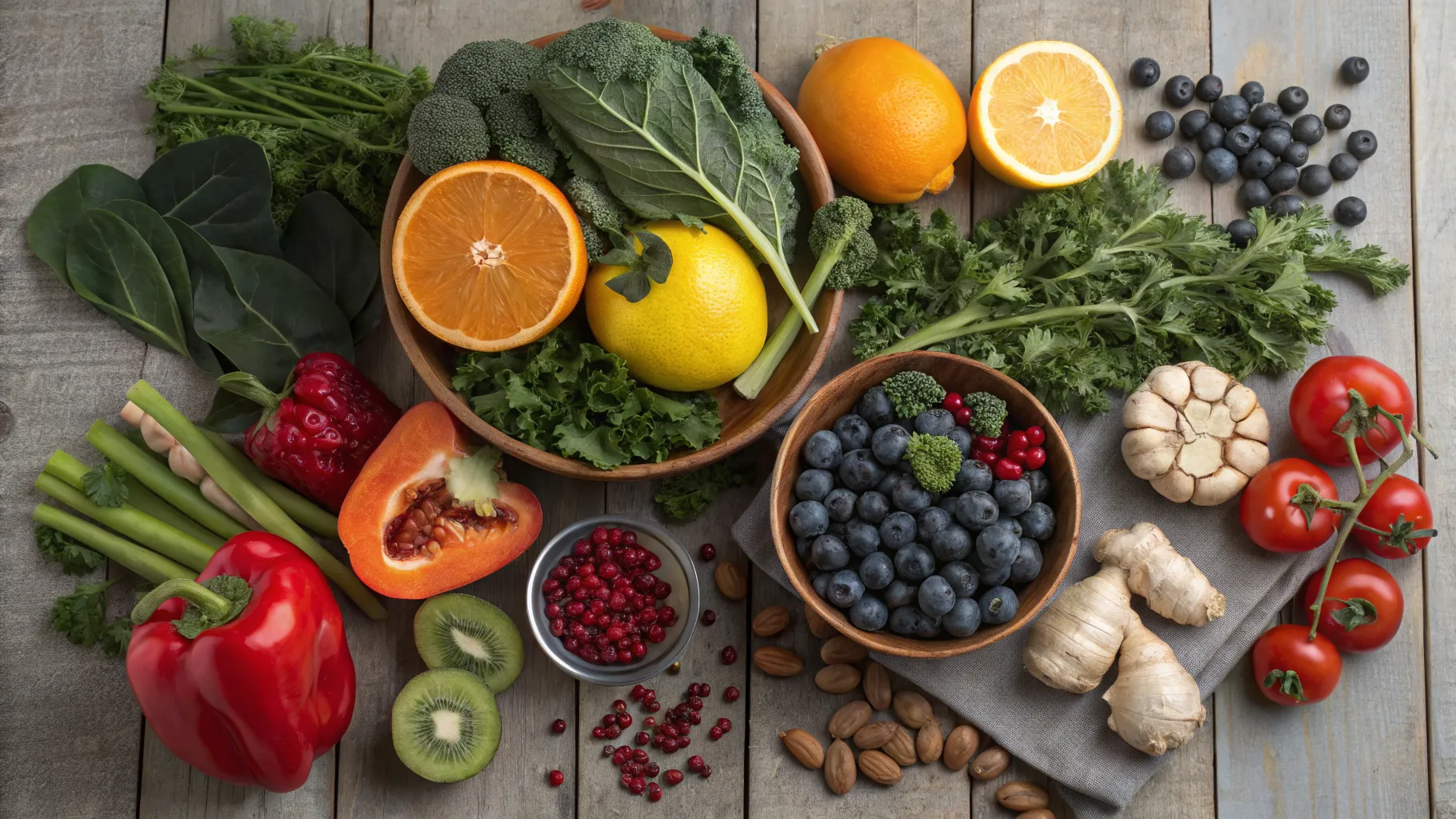
Vitamin C is perhaps the most well-known immune supporter, and for good reason. This powerful antioxidant helps protect cells from damage caused by free radicals and is crucial for the production and function of various white blood cells, which are frontline defenders against infection. Excellent sources of Vitamin C include citrus fruits like oranges and grapefruits, bell peppers (especially red and yellow), strawberries, kiwi, broccoli, and spinach. Regular intake ensures a steady supply of this critical nutrient for immunity, vital for overall health and resilience.
Zinc: A Crucial Mineral for Immune Cell Function
Zinc plays a pivotal role in the development and function of immune cells. Even a mild deficiency can impair immune response, making it harder for the body to fight off infections. This trace mineral is involved in over 300 enzymatic reactions in the body, many of which are directly related to immune regulation. Foods rich in zinc include lean meats, poultry, beans, nuts (like cashews and almonds), seeds (pumpkin and sesame), and whole grains. Ensuring sufficient zinc intake is a practical step to achieving an effective immune system boost.
Vitamin D: More Than Just for Bones
Often called the 'sunshine vitamin,' Vitamin D is increasingly recognized for its profound impact on immune health. It modulates both innate and adaptive immune responses, helping the body to distinguish between harmful pathogens and its own tissues, and reducing inflammation. While sunlight is a primary source, dietary options are crucial, especially in regions with limited sun exposure. Fatty fish (salmon, mackerel, tuna), fortified dairy products, and certain mushrooms provide beneficial amounts of this essential vitamin to support your immune system.
The Gut Microbiome: Foundation of a Strong Immune System Boost
A significant portion of our immune system resides in the gut, making gut health intrinsically linked to overall immunity. A balanced and diverse gut microbiome – the community of trillions of bacteria residing in our intestines – is essential for proper immune function. These beneficial bacteria not only help digest food but also produce compounds that influence immune cells, educate the immune system, and create a protective barrier against pathogens. Nurturing this internal ecosystem is a key strategy for those looking to improve their immune system.
Probiotic-Rich Foods for Gut Health
Probiotics are live microorganisms that, when consumed in adequate amounts, confer a health benefit to the host. They help maintain a healthy balance of gut bacteria, which in turn supports a strong immune system. Integrating probiotic-rich foods into your diet is an excellent way to support your gut and, by extension, your immunity. Examples include fermented foods such as yogurt (with live active cultures), kefir, sauerkraut, kimchi, kombucha, and tempeh. Regular consumption can directly contribute to an immune system boost by fostering a thriving gut environment.
Prebiotic Fibers: Fueling Your Beneficial Bacteria
Prebiotics are non-digestible fibers that act as food for the beneficial bacteria in your gut, helping them to grow and flourish. By feeding these good bacteria, prebiotics indirectly support immune function. Foods rich in prebiotics include garlic, onions, leeks, asparagus, bananas, oats, and apples. Combining prebiotic and probiotic foods creates a synergistic effect, maximizing the benefits for your gut microbiome and strengthening your body's natural defenses.
Antioxidants and Anti-inflammatory Foods: Shielding Your Cells
Chronic inflammation and oxidative stress can weaken the immune system, making the body more susceptible to illness. Antioxidants are compounds that neutralize harmful free radicals, protecting cells from damage, while anti-inflammatory foods help calm systemic inflammation. Incorporating a wide variety of these protective foods is crucial for maintaining cellular integrity and supporting robust immune responses, making them indispensable components of any diet aimed at an immune system boost.
Berries and Dark Leafy Greens: Packed with Antioxidants
Berries, such as blueberries, raspberries, and blackberries, are bursting with antioxidants, including anthocyanins and flavonoids, which contribute to their vibrant colors and powerful immune-supportive properties. Similarly, dark leafy greens like spinach, kale, and Swiss chard are rich in vitamins A, C, and K, as well as various antioxidants. These foods help combat oxidative stress and support the production of immune cells, making them fantastic immune-boosting foods to include daily.
Spices and Herbs: Nature's Anti-inflammatory Agents
Many common spices and herbs possess remarkable anti-inflammatory and antioxidant properties that can further support immune health. Turmeric, with its active compound curcumin, is renowned for its potent anti-inflammatory effects. Ginger is another powerhouse, traditionally used to soothe various ailments and boost immunity. Garlic, beyond its culinary appeal, contains allicin, a compound with impressive immune-modulating effects. Incorporating these aromatic additions into your cooking not only enhances flavor but also actively helps to strengthen immunity.
Hydration and Lifestyle: Complementary Factors for Immune Health
While food forms the cornerstone of an immune-boosting diet, it's vital to recognize that other lifestyle factors significantly influence your immune system's efficacy. Proper hydration and sufficient rest are fundamental, working synergistically with your dietary choices to ensure your body is in the best possible state to defend itself. Neglecting these aspects can undermine even the most nutritious eating plan.
While targeted supplements can play a supportive role, a comprehensive approach to immune system boost primarily relies on a diverse diet rich in whole, unprocessed immune-boosting foods. Unlike supplements, whole foods offer a synergistic blend of vitamins, minerals, antioxidants, and fiber that work together to strengthen immunity more effectively. For instance, consuming an orange provides not just Vitamin C, but also bioflavonoids and other compounds that enhance its absorption and efficacy, something a single vitamin pill might lack. Therefore, while supplements can fill nutritional gaps, they should complement, not replace, a foundational diet built on whole foods that provide all the necessary nutrients for immunity.
Practical Strategies to Integrate Immune-Boosting Foods into Your Diet
Diversify Your Plate:
Aim for a wide spectrum of colors in your daily meals. Each color often signifies different phytonutrients and antioxidants, contributing to a more comprehensive immune support system. The more varied your fruit and vegetable intake, the broader the range of nutrients your body receives to help strengthen immunity.
Embrace Seasonal Produce:
Eating fruits and vegetables that are in season often means they are at their peak nutritional value, flavor, and are generally more affordable. Seasonal produce is typically fresher, having traveled shorter distances, thus retaining more of its vital nutrients for your immune system boost.
Prioritize Gut Health:
Regularly incorporate fermented foods like yogurt, kefir, sauerkraut, or kimchi into your diet to introduce beneficial bacteria. Also, include prebiotic-rich foods such as oats, garlic, onions, and bananas to feed these good bacteria, fostering a healthy gut environment that is crucial for a strong immune response.
Stay Hydrated:
Water is fundamental for every bodily function, including immune responses. Adequate hydration helps transport nutrients to cells, remove toxins, and ensure proper lymphatic drainage, all of which are vital for a well-functioning immune system. Make water your primary beverage throughout the day.
Mindful Cooking:
Opt for cooking methods that preserve nutrient content, such as steaming, light sautéing, or roasting, rather than over-boiling or deep-frying, which can degrade sensitive vitamins and antioxidants. Preparing meals at home allows you to control ingredients and maximize the nutritional benefits of your immune-boosting foods.
Frequently Asked Questions
Can supplements fully replace immune-boosting foods?
While supplements can bridge nutritional gaps, they cannot fully replicate the complex array of nutrients, fiber, and synergistic compounds found in whole immune-boosting foods. Whole foods offer a holistic approach to nutrition that supplements alone often cannot provide.
How quickly can diet impact my immune system?
The impact of dietary changes on your immune system boost isn't instantaneous but is rather a gradual process. Consistent consumption of nutrient-rich foods over weeks and months will progressively strengthen your immunity, rather than offering an immediate cure.
Are there any foods to avoid to strengthen immunity?
To effectively strengthen immunity, it's advisable to limit processed foods, excessive sugar, unhealthy fats, and refined carbohydrates. These can contribute to inflammation and may negatively impact gut health, thereby weakening immune responses over time.
References
- Harvard T.H. Chan School of Public Health. The Nutrition Source: Immune Function.
- National Institutes of Health (NIH). Office of Dietary Supplements.
- Journal of Clinical Nutrition. "The Role of Diet in Modulating Immune Responses."
Authored by 24Trendz team