Unlock Your Energy: What to Eat if You Feel Constantly Tired
Facts:
- Fatigue affects up to 45% of the general population.
- Nutrient deficiencies are a significant factor for those experiencing persistent tiredness.
Understanding the Connection Between Diet and Persistent Fatigue
Experiencing persistent low energy can be debilitating, often prompting the critical question: what to eat if you feel constantly tired? The food we consume plays a profound role in our energy levels, mood, and overall well-being. A strategic approach to diet, focusing on fatigue-fighting foods, can significantly alleviate symptoms of chronic tiredness and restore vitality.
Key Nutrients to Combat Chronic Tiredness
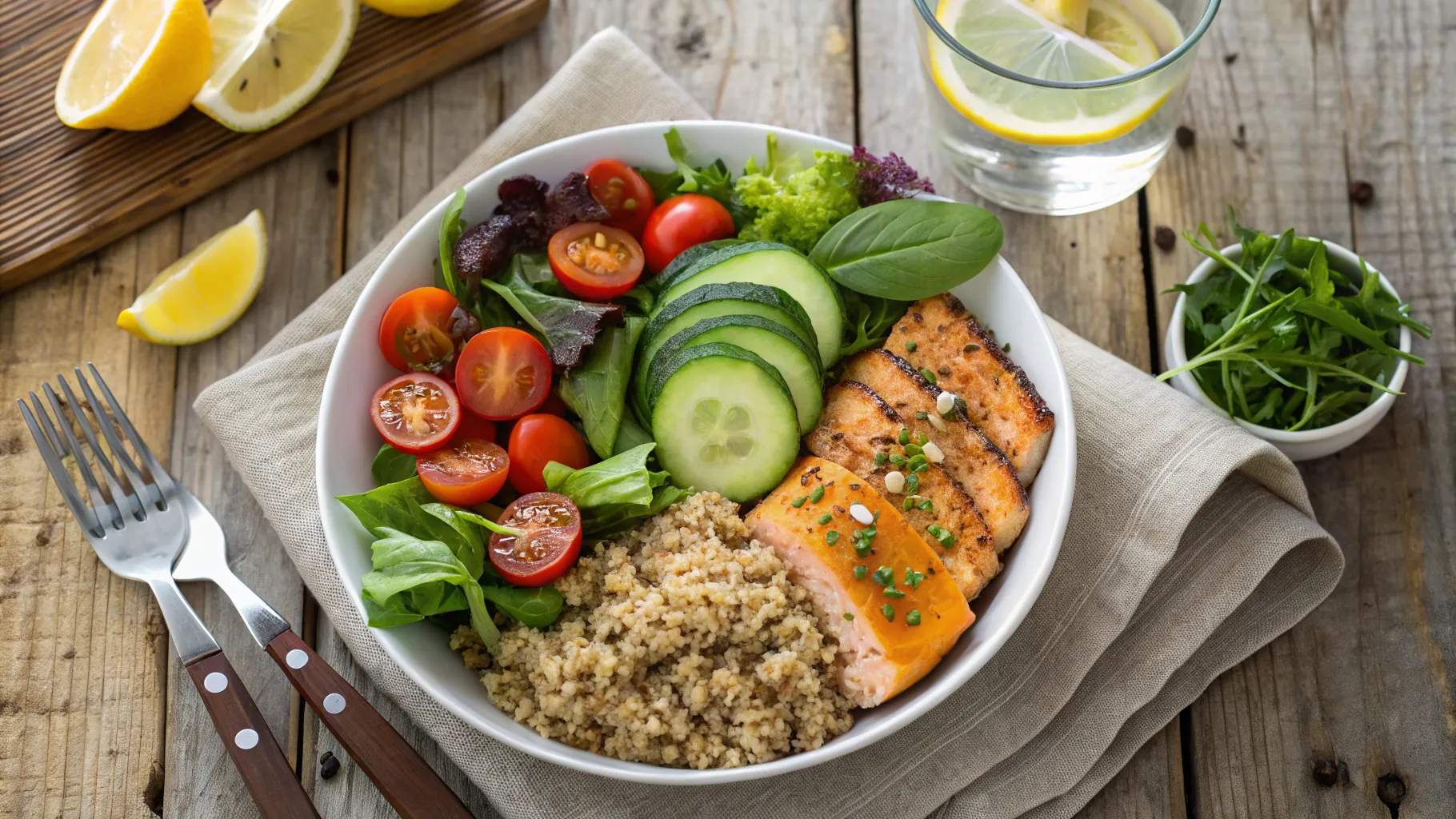
When you're trying to figure out what to eat if you feel constantly tired, it's crucial to identify the specific nutrients that play a pivotal role in energy production. Deficiencies in certain vitamins and minerals are frequently linked to persistent fatigue. By prioritizing energy-boosting nutrients, individuals can support their body's natural processes and improve their stamina throughout the day. This involves a focus on both macronutrients and micronutrients that contribute to sustained energy release and cellular function, which are foundational to tackling a chronic tiredness diet effectively.
Iron for Sustained Energy
Iron is an essential mineral vital for transporting oxygen throughout the body. A deficiency in iron, leading to anemia, is a common cause of fatigue, weakness, and shortness of breath. Incorporating ample iron-rich foods into your diet is paramount. Good sources include red meat, poultry, fish, beans, lentils, spinach, and fortified cereals. Pairing these foods with Vitamin C sources (like oranges or bell peppers) can significantly enhance iron absorption, making your dietary efforts more effective in combating tiredness.
B Vitamins: The Energy Powerhouses
The B vitamin complex, including B6, B12, and folate, is directly involved in converting food into energy. These vitamins are crucial for cellular metabolism and nerve function. A lack of these B vitamin sources can manifest as severe fatigue and lethargy. Rich sources include whole grains, meat, eggs, dairy products, legumes, and dark leafy greens. Ensuring a consistent intake of these vitamins is key to maintaining optimal energy levels and avoiding the slump associated with a compromised chronic tiredness diet.
Magnesium for Muscle and Nerve Function
Magnesium is involved in over 300 biochemical reactions in the body, many of which are essential for energy production. It plays a vital role in muscle and nerve function, blood glucose control, and blood pressure regulation. A deficiency can lead to muscle cramps, poor sleep, and profound fatigue. Excellent magnesium-rich foods include almonds, spinach, black beans, avocados, and dark chocolate. Prioritizing these foods can significantly contribute to an overall improvement in energy and a reduction in generalized weakness.
Crafting Your Fatigue-Fighting Meal Plan
Designing a meal plan focused on fatigue-fighting foods requires a balanced approach that includes a variety of nutrient-dense options. Beyond individual nutrients, the overall structure of your meals and snacks can have a profound impact on sustained energy. Understanding what to eat if you feel constantly tired means looking at the bigger picture of dietary patterns rather than just isolated food items. This comprehensive strategy ensures that your body receives a steady supply of glucose, preventing energy crashes throughout the day.
Balanced Breakfasts for a Strong Start
Begin your day with a breakfast that combines complex carbohydrates, lean protein, and healthy fats. This combination provides sustained energy release, preventing the mid-morning slump. Examples include oatmeal with berries and nuts, Greek yogurt with fruit and granola, or eggs with whole-wheat toast and avocado. Such meals are pivotal in a successful chronic tiredness diet, setting the tone for consistent energy.
Smart Snacking to Maintain Momentum
Avoid processed snacks high in sugar, which provide a quick but fleeting energy boost. Instead, opt for nutrient-dense options like apples with peanut butter, a handful of almonds, or vegetable sticks with hummus. These snacks, rich in energy-boosting nutrients, help stabilize blood sugar levels and keep your energy consistent between main meals.
Hydration: The Often-Overlooked Energy Source
Dehydration is a common yet often unrecognized cause of fatigue. Even mild dehydration can lead to reduced energy levels, difficulty concentrating, and mood changes. Ensure you drink plenty of water throughout the day. Herbal teas and water-rich fruits and vegetables also contribute to your daily fluid intake, making proper hydration an easy yet effective component of combating tiredness. This simple habit supports all other efforts in incorporating fatigue-fighting foods.
Dietary Strategies for Long-Term Energy Management
Beyond specific foods and nutrients, adopting sustainable dietary habits is essential for long-term energy management and addressing the root causes of feeling constantly tired. This involves paying attention to meal timing, portion control, and avoiding common energy-draining culprits. A holistic view of what to eat if you feel constantly tired integrates these lifestyle elements with targeted nutritional choices, creating a powerful synergy against fatigue.
Embrace Whole Foods and Minimize Processed Items
Whole, unprocessed foods are naturally rich in vitamins, minerals, fiber, and antioxidants, all of which support sustained energy. Processed foods, on the other hand, often contain refined sugars, unhealthy fats, and artificial additives that can lead to energy spikes and crashes, further exacerbating tiredness. Focusing on whole grains, fresh fruits, vegetables, lean proteins, and healthy fats forms the cornerstone of an effective chronic tiredness diet.
The Importance of Regular Meal Times
Eating at regular intervals helps maintain stable blood sugar levels, preventing the dips that can trigger fatigue. Skipping meals or going long periods without food can lead to a drop in blood glucose, causing energy levels to plummet. Aim for three balanced meals and 1-2 healthy snacks daily, ensuring a consistent supply of energy-boosting nutrients to your body. This regularity is crucial for individuals navigating what to eat if they feel constantly tired, providing a predictable energy curve.
Limit Caffeine and Sugar for Sustainable Energy
While caffeine and sugar can offer temporary boosts, relying on them excessively can lead to a cycle of dependence and eventual energy crashes. Gradually reduce your intake of sugary drinks, candies, and excessive coffee. Instead, focus on natural energy sources provided by a balanced diet. This mindful reduction, coupled with an increase in fatigue-fighting foods, will help your body regulate its energy more effectively and sustainably.
Actionable Advice for Reclaiming Your Vitality
Implementing dietary changes to combat fatigue doesn't have to be overwhelming. Start with small, manageable steps and gradually build towards a more energy-supportive diet. Remember, consistency is key, and listening to your body's signals will guide you toward the most effective choices.
- Start Your Day Right: Prioritize a protein-rich breakfast to stabilize blood sugar and provide lasting energy. Think eggs, Greek yogurt, or a smoothie with plant-based protein. This sets the stage for a day of consuming energy-boosting nutrients.
- Hydrate Consistently: Keep a water bottle handy and sip throughout the day. Aim for at least 8 glasses of water. Consider adding a slice of lemon or cucumber for flavor without added sugar. Proper hydration amplifies the effects of fatigue-fighting foods.
- Embrace Whole Grains: Swap refined grains for whole-wheat bread, brown rice, quinoa, and oats. These provide complex carbohydrates that release energy slowly and steadily, crucial for a successful chronic tiredness diet.
- Load Up on Greens: Incorporate dark leafy greens like spinach and kale into your meals for a boost of iron-rich foods and magnesium. Add them to smoothies, salads, or stir-fries.
- Snack Smart: Replace sugary snacks with nuts, seeds, fruits, and vegetables. These options offer fiber, healthy fats, and essential B vitamin sources to keep your energy levels even.
- Plan Ahead: Meal prepping healthy snacks and meals can prevent unhealthy choices when you're tired and hungry. Having nutrient-dense options readily available makes it easier to stick to your energy-boosting plan.
Frequently Asked Questions
Can a vegetarian diet provide enough energy-boosting nutrients to combat chronic tiredness?
Yes, a well-planned vegetarian or vegan diet can absolutely provide all the necessary energy-boosting nutrients to combat chronic tiredness. Key is to focus on diverse plant-based iron-rich foods such like lentils, beans, spinach, and fortified cereals, ensuring adequate intake of B vitamin sources (especially B12, often supplemented) and omega-3 fatty acids. Combining iron-rich plant foods with Vitamin C enhances absorption.
How quickly can I expect to feel better after changing my diet for chronic tiredness?
The timeline for feeling better can vary depending on the severity of your fatigue and how consistently you adhere to a chronic tiredness diet. Some individuals may notice improvements within a few weeks, particularly regarding energy levels and digestive comfort. Significant changes, however, often take 1-3 months as your body adjusts and nutrient stores are replenished through consistent intake of fatigue-fighting foods.
Are there any foods I should strictly avoid if I feel constantly tired?
If you're wondering what to eat if you feel constantly tired, it's equally important to consider what to avoid. Highly processed foods, excessive sugar, and refined carbohydrates are known energy drainers. These can cause rapid blood sugar spikes followed by crashes, leading to increased fatigue. Limiting excessive caffeine and alcohol, which can disrupt sleep patterns, is also advisable. Focus instead on nutrient-dense, whole fatigue-fighting foods.
References
- National Institutes of Health (NIH) - Office of Dietary Supplements.
- World Health Organization (WHO) - Nutrition for Health and Development.
- American Journal of Clinical Nutrition studies on diet and fatigue.
- Harvard Health Publishing articles on energy and diet.
Authored by 24Trendz team