Water Aerobics for Seniors: Dive into Low-Impact Fitness and Health
Facts:
- Water's buoyancy drastically reduces joint impact.
- Senior water exercise programs are a growing trend for active aging.
Embracing the Benefits of Water Aerobics for Seniors
For older adults seeking a gentle yet incredibly effective path to maintaining and enhancing their physical well-being, water aerobics for seniors presents an unparalleled solution. This highly recommended senior water exercise regimen leverages the natural properties of water to create a safe, supportive, and remarkably impactful workout environment. Far from being merely a recreational activity, engaging in regular aquatic fitness for older adults can significantly improve cardiovascular health, build muscle strength, enhance flexibility, and alleviate the discomfort often associated with common age-related conditions. The unique combination of buoyancy and resistance offered by water allows participants to execute movements with greater ease and reduced strain on their joints, making it an ideal choice for those with arthritis, osteoporosis, or other musculoskeletal challenges. It's a comprehensive approach to active living that respects the body's limits while actively encouraging progress.
The Unique Advantages of Aquatic Fitness for Older Adults
The benefits of participating in aquatic fitness for older adults extend far beyond simple exercise; they encompass a holistic improvement in quality of life. The fundamental principle at play is water's natural buoyancy, which supports a significant portion of a person's body weight. This reduction in gravitational stress means that movements which might be painful or difficult on land become achievable and comfortable in the water. For individuals with compromised joints, such as those suffering from osteoarthritis, this provides a critical opportunity to move freely and strengthen surrounding muscles without exacerbating pain. Moreover, water provides consistent, multi-directional resistance, meaning every movement becomes a strength-building exercise. Unlike weights, this resistance is fluid and adapts to the individual's effort, making it inherently a low-impact senior workout suitable for a wide range of physical capabilities. This gentle yet effective resistance helps to tone muscles, improve endurance, and enhance overall functional strength, all while minimizing the risk of injury. The warmth of the water also contributes to muscle relaxation and increased blood flow, further aiding in recovery and flexibility.
Essential Exercises for an Effective Senior Water Exercise Routine
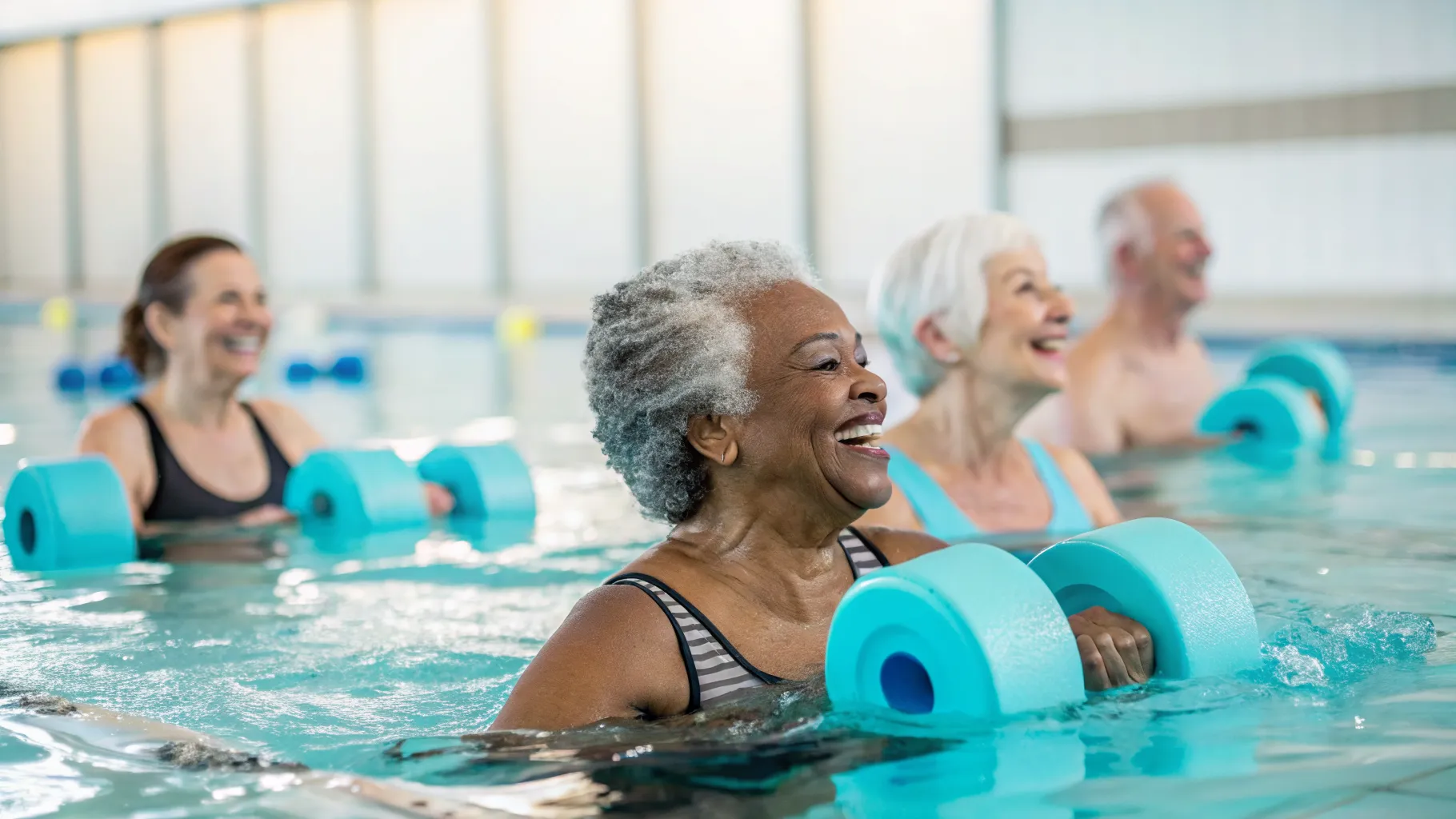
A well-rounded senior water exercise routine incorporates a variety of movements designed to target different muscle groups, improve cardiovascular health, and enhance balance. Typical exercises found in a water aerobics for seniors class include water walking or jogging, which builds endurance and strengthens legs without the impact of land-based running. Arm and leg swings, performed with or without buoyant equipment like noodles or small dumbbells, improve upper and lower body strength and range of motion. Core exercises, such as gentle twists and knee-to-chest movements, help to stabilize the trunk and improve posture. Wall push-ups or exercises using the pool wall for support can target chest and back muscles. It's crucial that these exercises are performed correctly, often under the guidance of a certified instructor who understands the specific needs of older adults. The continuous resistance of the water ensures that even simple movements are effective in building muscle and improving cardiovascular health, all within a safe and supportive environment. Progression is natural as individuals gain strength and confidence, allowing for more challenging variations over time.
Maximizing Hydrotherapy Benefits for Joint Health and Mobility
The therapeutic qualities of water, often referred to as hydrotherapy benefits, are particularly profound for seniors managing chronic pain or recovering from injuries. The warm water environment itself is soothing, helping to relax tense muscles and increase circulation, which can reduce swelling and discomfort in joints. For conditions like arthritis, the sustained warmth combined with the weightlessness offered by buoyancy allows for greater joint movement without the grinding friction experienced on land. This enables individuals to stretch further and perform exercises that gently increase their range of motion, contributing to improved flexibility and reduced stiffness. Furthermore, the hydrostatic pressure of water aids in reducing edema and improving lymphatic drainage, which can be beneficial for those with swelling in their extremities. Engaging in consistent aquatic fitness for older adults can therefore become a cornerstone of pain management strategies, significantly improving daily function and enabling a more active lifestyle. It's not just about exercise; it's about leveraging water's inherent healing properties.
Choosing the Right Low-Impact Senior Workout Program
Selecting the appropriate low-impact senior workout program is key to ensuring a positive and sustainable experience with water aerobics. When considering a water aerobics for seniors class, look for programs specifically designed for older adults, often indicated by names like "Senior Splash," "Aqua Arthritis," or "Active Older Adults." These classes typically feature instructors who are trained in adapting exercises for varying mobility levels and health conditions. It's important to inquire about class sizes, water depth, and the availability of any specialized equipment like water weights or flotation belts. A reputable program will prioritize safety, offer clear instructions, and encourage participants to work at their own pace. Facilities with accessible changing rooms, non-slip surfaces, and warm water pools are also highly desirable. Don't hesitate to observe a class before joining, and speak with the instructor to discuss any specific health concerns or limitations. The goal is to find a supportive and encouraging environment where you feel comfortable and motivated to embrace the many advantages of aquatic exercise.
Getting Started: Tips for Your First Senior Water Exercise Class
- Consult Your Doctor: Before starting any new exercise regimen, particularly senior water exercise, it's essential to get clearance from your healthcare provider. Discuss your health history and any existing conditions to ensure that water aerobics is a safe and suitable option for you.
- Wear Appropriate Swimwear: Choose comfortable swimwear that allows for full range of motion. Goggles can be helpful for those sensitive to chlorine or who prefer keeping their face dry during certain movements.
- Hydrate Regularly: Even though you're in water, your body still sweats and loses fluids. Drink plenty of water before, during, and after your water aerobics for seniors session to stay properly hydrated.
- Start Slowly and Listen to Your Body: Don't push yourself too hard in the beginning. Focus on proper form and gradually increase your intensity as your strength and endurance improve. If you feel any pain, stop the exercise and inform your instructor.
- Arrive Early: Getting to class a few minutes early allows you time to get comfortable, find a good spot, and perhaps speak with the instructor about what to expect and any personal modifications you might need.
- Bring a Water Bottle and Towel: Essential for staying hydrated and drying off comfortably after your rewarding aquatic fitness for older adults session.
Frequently Asked Questions
Is water aerobics for seniors suitable for all fitness levels?
Yes, one of the greatest advantages of water aerobics for seniors is its adaptability. The buoyancy of water supports the body, making exercises feel lighter and reducing strain on joints, which is ideal for individuals with varying fitness levels, from beginners to more active seniors. Instructors can also modify exercises to increase or decrease intensity based on individual needs and capabilities.
How often should seniors participate in aquatic fitness?
For optimal hydrotherapy benefits and general fitness, most experts recommend that seniors engage in aquatic fitness for older adults 2-3 times per week. Consistency is key to building strength, improving cardiovascular health, and enhancing flexibility. Always listen to your body and allow for rest days as needed.
What are the long-term hydrotherapy benefits for older adults?
Long-term hydrotherapy benefits for older adults include sustained improvements in cardiovascular health, increased muscle strength and endurance, enhanced flexibility and balance, and significant relief from joint pain. Regular participation can also lead to better sleep, improved mood, and a reduced risk of falls, contributing to a higher quality of life and greater independence.
References
- The American Council on Exercise (ACE) Guidelines for Older Adults.
- Studies on the efficacy of aquatic exercise for joint pain and mobility.
- Research on the benefits of low-impact workouts for aging populations.
Authored by 24Trendz team