Investing in Protection: Finding Quality Used Armored Vehicles for Sale
Fast Facts:
- Global demand for security vehicles is rising.
- The market for used armored vehicles shows consistent growth for private and commercial buyers.
Navigating the Market for Used Armored Vehicles for Sale
The acquisition of used armored vehicles presents a strategic opportunity for individuals, corporations, and governments seeking enhanced security without the significant upfront cost of new models. This market segment is complex, requiring a thorough understanding of various factors, including ballistic ratings, vehicle history, maintenance records, and the specific needs of the prospective buyer. Whether considering bulletproof cars for sale for personal protection or armored trucks for commercial assets, a detailed due diligence process is paramount to ensure both safety and a sound investment. The longevity and reliability of a used armored vehicle largely depend on its original armoring process and subsequent care, making expert evaluation crucial.
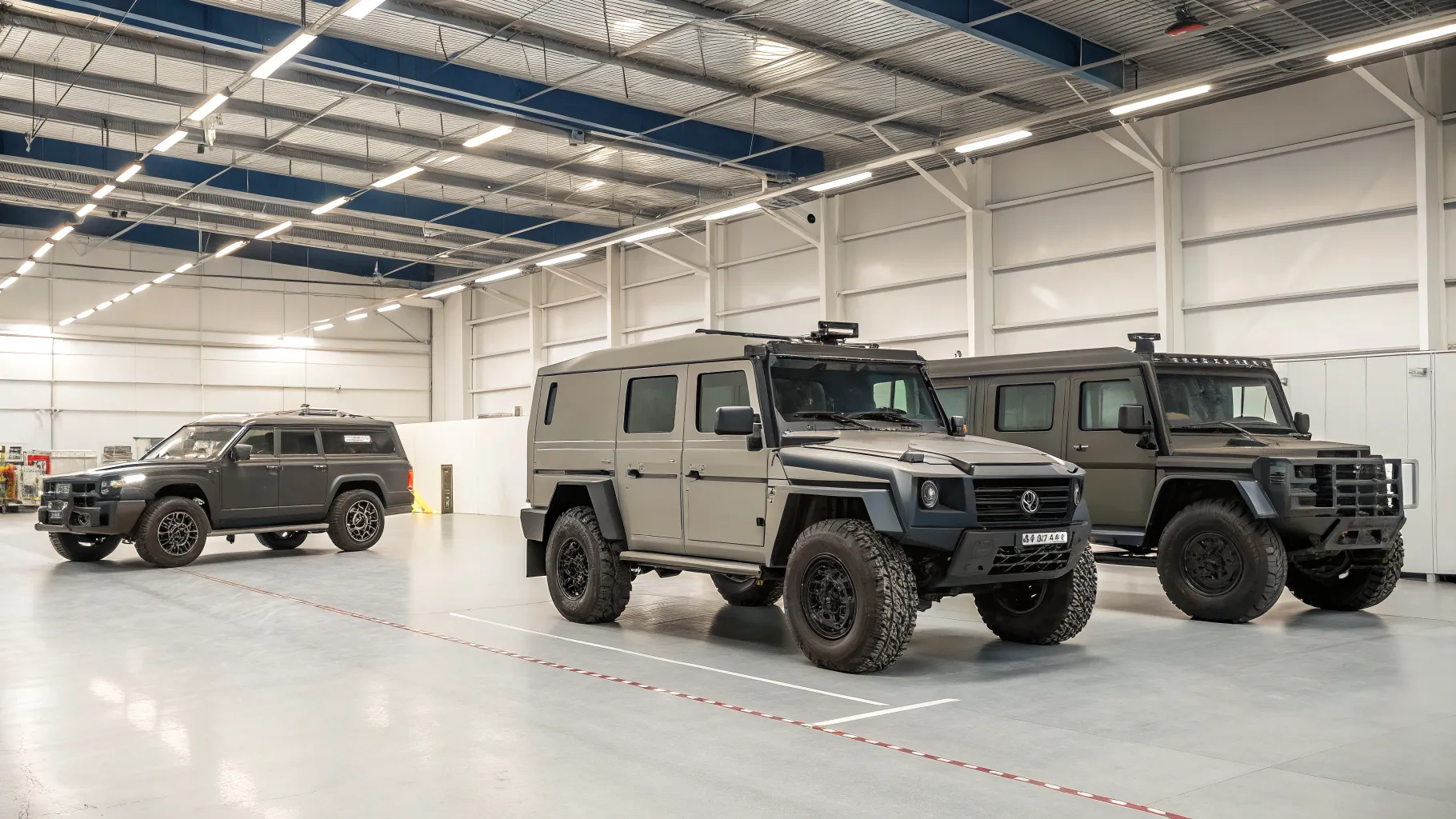
Key Considerations When Buying Bulletproof Cars for Sale
When searching for bulletproof cars for sale, several critical aspects must be meticulously reviewed to ensure the vehicle meets specific security requirements and safety standards. Firstly, understanding the ballistic protection level (e.g., CEN B4, B6, B7) is essential, as this dictates the type of ammunition the vehicle can withstand. Secondly, inspect the armoring quality; poorly integrated armoring can create vulnerabilities. This includes checking for overlapping armor panels, sealed doors, and reinforced suspension systems. Buyers should also verify the vehicle's original manufacturer of armoring, as reputable companies adhere to stringent quality control. A comprehensive pre-purchase inspection by an independent expert specializing in vehicle armoring is highly recommended to uncover any hidden defects or compromised protection.
The Growing Niche of Armored Trucks in the Secondary Market
The market for armored trucks is expanding significantly, catering to various needs from cash-in-transit operations to executive transport and tactical applications. These robust vehicles are designed to protect valuable cargo and personnel in high-threat environments. When purchasing a used armored truck, particular attention should be paid to the payload capacity, which is often reduced due to the added weight of the armor. The condition of the drivetrain, brakes, and tires is also critical, as these components endure increased stress. Furthermore, ensure that any specialized equipment, such as run-flat tires, fire suppression systems, or communication arrays, is fully functional and up to date. The structural integrity of the armor on armored trucks, especially around load-bearing areas, must be impeccable.
Understanding Vehicle Armoring Technologies and Materials
Modern vehicle armoring involves a sophisticated blend of materials and techniques designed to provide ballistic and blast protection. Common materials include ballistic steel, aramid fibers (like Kevlar), ceramic composites, and transparent armor (multi-layered ballistic glass). Each material offers different protection levels and weight characteristics. Buyers of used armored vehicles should inquire about the specific materials used in their chosen model and their degradation over time. For instance, ballistic glass can delaminate, and composite materials can become brittle if not properly maintained or if exposed to extreme conditions. Understanding the technology behind the armoring helps in assessing the vehicle's long-term protective capabilities and potential maintenance needs.
The Importance of Maintenance and Service History for Security Vehicles
The service history of any security vehicles is paramount, especially for armored ones. Due to the added weight and specialized systems, these vehicles require more frequent and specialized maintenance than their unarmored counterparts. Buyers must request complete service records, focusing on maintenance performed on suspension components, braking systems, engine, and transmission. Verify that the armoring itself has been inspected for integrity regularly. A well-documented history of professional maintenance indicates a vehicle that has likely retained its protective qualities and operational reliability. Conversely, a lack of records should be a significant red flag, potentially indicating neglect that could compromise the vehicle's intended purpose.
Customization and Upgrades: Enhancing Used Armored Vehicles
Many used armored vehicles offer opportunities for further customization or upgrades to meet evolving security needs. This can range from installing advanced communication systems, enhanced surveillance technology, or even additional layers of ballistic protection. However, any modifications must be performed by certified specialists in vehicle armoring to avoid compromising the existing protection or exceeding the vehicle's structural limits. An expert evaluation can help determine feasible upgrades and ensure that any new additions integrate seamlessly without creating new vulnerabilities. The ability to upgrade existing security vehicles can extend their lifespan and adaptability in dynamic threat environments, offering significant value to the discerning buyer.
Actionable Advice for Purchasing Used Armored Vehicles
- Define Your Threat Profile: Clearly identify the level of protection you need based on potential threats and operational environment before looking at used armored vehicles. This will guide your selection of ballistic ratings and features.
- Engage Independent Experts: Hire a reputable third-party specialist in vehicle armoring to conduct a comprehensive pre-purchase inspection. They can identify hidden issues with the armor or vehicle components that might not be visible to the untrained eye.
- Verify Documentation Thoroughly: Demand complete service records, proof of ownership, and any certifications related to the armoring process. A transparent history is crucial for trust and long-term reliability.
- Test Drive with Awareness: Pay close attention to how the vehicle handles the increased weight. Check brake performance, suspension responsiveness, and overall driving dynamics to ensure it meets your operational expectations.
- Understand Resale Value and Logistics: Consider the potential for future resale and the logistics involved in transporting and maintaining specialized security vehicles. This includes access to specialized repair facilities and parts.
Frequently Asked Questions
What is the typical lifespan of used armored vehicles?
The lifespan of used armored vehicles can vary significantly based on the quality of the original armoring, maintenance history, and operational conditions. With proper care and regular specialized inspections, many armored vehicles can provide reliable protection for 10-15 years or even longer. Key factors influencing longevity include the condition of ballistic materials and the wear and tear on the heavy-duty components.
Are there legal restrictions on owning bulletproof cars for sale?
Legal restrictions on owning bulletproof cars for sale vary by country and even by state or region. While private ownership is generally permitted in many places, certain jurisdictions may require permits, specialized licensing, or restrict specific levels of armoring. It is crucial to research and comply with all local, national, and international laws before purchasing.
How does the added weight of armoring affect vehicle performance and fuel efficiency?
The added weight from vehicle armoring significantly impacts performance and fuel efficiency. Acceleration will be slower, braking distances may increase, and the vehicle's handling characteristics will change. Fuel consumption typically increases by 20-50% depending on the level of armoring and the base vehicle. These factors necessitate upgraded suspension, braking systems, and often a more powerful engine.
Can I customize a used armored vehicle after purchase?
Yes, many used armored vehicles can be customized after purchase to meet specific needs. This can include adding advanced communication systems, surveillance equipment, interior upgrades, or even minor exterior modifications. However, any structural or armoring-related modifications should only be performed by certified professionals to ensure the integrity of the protection is not compromised.
What maintenance is unique to security vehicles?
Unique maintenance for security vehicles includes regular inspections of ballistic materials for signs of delamination or damage, checking the integrity of reinforced door hinges and locks, and specialized care for heavy-duty suspension and braking components. Tire pressure monitoring and replacement of run-flat inserts are also crucial, along with maintaining any integrated defensive systems like fire suppression or intercoms.
References
- Global Armored Vehicle Market Report, June 2026.
- International Security Standards for Ballistic Protection.
- Guidelines for Pre-Purchase Inspection of Armored Vehicles.
- Innovations in Composite Armoring Materials.
- Case Studies on Armored Vehicle Longevity and Maintenance.
Authored by 24Trendz team