Unpacking Vintage Streetwear Trends: Your Guide to Retro Fashion
Facts:
- Vintage streetwear market grew significantly.
- Retro fashion continues to dominate for Gen Z.
The Enduring Appeal of Vintage Streetwear Trends
The landscape of fashion is ever-evolving, yet certain movements possess an undeniable staying power. Among these, vintage streetwear stands out, representing more than just clothing; it's a testament to cultural identity, nostalgia, and a conscious move towards sustainable consumption. This guide delves into the essence of retro fashion, exploring its roots, its resurgence, and its profound impact on contemporary style, offering insights into how these iconic looks continue to shape what we wear today.
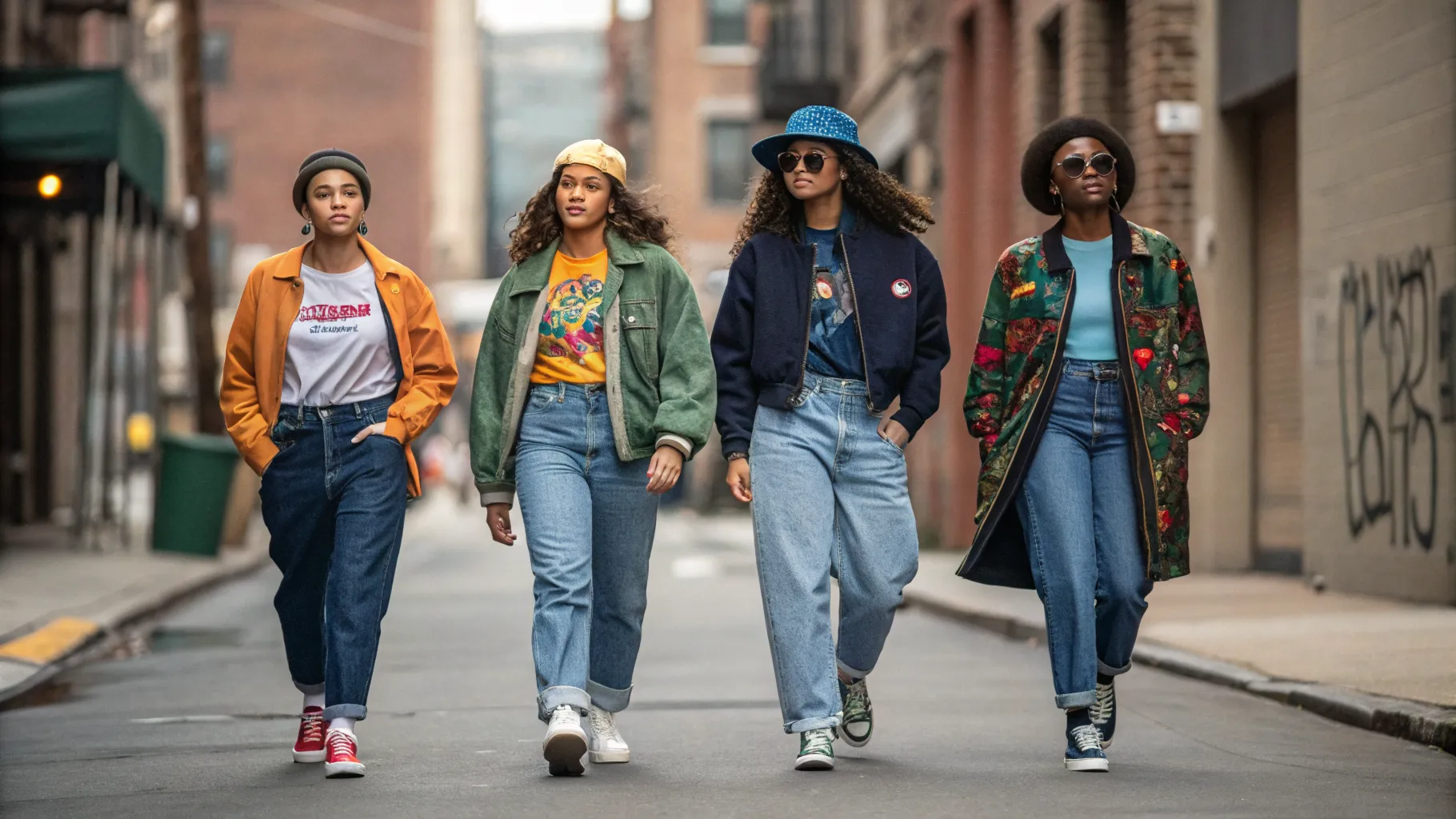
Evolution of Iconic Vintage Streetwear Eras
Understanding vintage streetwear trends requires a journey through the pivotal decades that shaped its aesthetic. From the vibrant breakdancing scenes of the 80s to the grunge-infused 90s style, each era contributed unique elements that are still celebrated today. The 80s brought bold logos, tracksuits, and vibrant color palettes into mainstream fashion, setting the stage for future urban wear. This was a time when athletic brands like Adidas and Nike began their ascent in the casual wear space, blurring the lines between sportswear and everyday attire. The exaggerated silhouettes and often mismatched patterns became hallmarks of early streetwear culture, influencing generations of designers and fashion enthusiasts.
The Resurgence of 90s Streetwear
The 90s style arguably laid the most significant groundwork for modern vintage streetwear. This decade was characterized by baggy silhouettes, oversized graphic t-shirts, denim everything, and an emphasis on comfort and self-expression. Think skate culture, hip-hop influences, and the rise of brands like Stüssy, FUBU, and Tommy Hilfiger within the urban context. The deliberate rejection of formal wear in favor of more relaxed, yet statement-making pieces, solidified the genre. Furthermore, the burgeoning popularity of sneaker culture in the 90s cemented footwear as a central component of any cohesive vintage streetwear ensemble. Items like cargo pants, oversized hoodies, and windbreakers, once relegated to niche subcultures, became widely adopted and are now highly sought-after in the secondary market, proving the cyclical nature of fashion.
Key Elements of Retro Fashion Today
Modern interpretations of retro fashion draw heavily from these foundational periods. Today's enthusiasts are not simply replicating past looks but are curating unique outfits that blend historical elements with contemporary sensibilities. The key is often in the details: distressed denim, oversized band tees, chunky sneakers, and statement accessories like bucket hats or chain necklaces. The beauty of vintage streetwear lies in its versatility and its invitation to experiment, allowing individuals to craft a personal narrative through their clothing choices. This often involves mixing pieces from different eras or even different fashion genres, creating a truly unique and personalized look that stands apart from fast fashion trends. The deliberate choice to wear thrifted apparel also plays a significant role in this expression.
The Thrill of Thrifted Apparel and Sustainable Style
One of the driving forces behind the enduring popularity of vintage streetwear trends is the growing emphasis on sustainability and the hunt for unique, pre-loved items. The rise of thrifted apparel has transformed how many approach fashion, moving away from fast fashion cycles towards more environmentally conscious choices. The process of searching for a hidden gem in a thrift store, flea market, or online vintage shop adds an element of adventure and individuality to one's wardrobe. It's not just about saving money; it's about owning a piece of history, an item with a story, and contributing to a circular fashion economy. This shift reflects a broader cultural movement towards conscious consumption and a desire for authenticity.
Finding Authentic Vintage Pieces
Locating authentic vintage streetwear requires a keen eye and patience. Beyond traditional thrift stores, online marketplaces like Etsy, Depop, and Grailed have become essential platforms for connecting buyers with sellers of genuine retro fashion items. Specialized vintage boutiques often curate collections, making the search easier but potentially pricier. When scouting for pieces, pay attention to labels, fabric quality, and the condition of the garment. Original tags, unique stitching, and durable materials are often indicators of true vintage quality. Learning to identify these characteristics is a skill that enhances the joy of collecting and ensures the longevity of your thrifted apparel investments.
Cultivating Your Unique Streetwear Culture Identity
Streetwear culture is deeply personal and expressive. It's about taking inspiration from historical trends and making them your own. Building a wardrobe centered around vintage streetwear allows for unparalleled creativity. Start by identifying which eras or specific elements resonate most with your personal style. Are you drawn to the bold graphics of the 80s, the grunge aesthetic of the 90s, or the minimalist cool of early 2000s urban wear? Once you have a clear vision, you can begin to curate pieces that align with your aesthetic. Remember, the goal is not to wear a costume from the past, but to integrate retro fashion elements into a contemporary look that feels authentic to you.
Comparison: Vintage vs. Modern Streetwear Aesthetics
While modern streetwear often takes cues from its vintage predecessors, there are distinct differences. Contemporary streetwear frequently features more tailored fits, experimental fabrics, and collaborations with high-fashion brands, pushing the boundaries of traditional urban wear. In contrast, vintage streetwear often embodies a more relaxed, oversized silhouette and utilizes classic, durable materials like heavy cotton and denim. The appeal of thrifted apparel lies in its inherent character and often superior craftsmanship compared to mass-produced modern alternatives. Modern streetwear may prioritize hype and limited drops, while vintage streetwear celebrates longevity and the narrative embedded within each garment. Both contribute significantly to streetwear culture, but they cater to slightly different philosophies: one looking forward, the other honoring the past.
Actionable Advice: Integrating Vintage Streetwear into Your Wardrobe
- Start with Core Pieces: Invest in versatile thrifted apparel like a classic oversized denim jacket, a vintage band t-shirt, or a pair of well-worn sneakers. These items can easily be paired with modern basics.
- Layering is Key: Experiment with layering different textures and silhouettes. An oversized flannel over a graphic tee, or a vintage windbreaker over a hoodie, creates depth and visual interest characteristic of vintage streetwear.
- Accessorize Thoughtfully: Small details make a big impact. Add a bucket hat, a chunky chain, or retro sunglasses to elevate your outfit and pay homage to 90s style or other eras.
- Mix and Match: Don't be afraid to combine retro fashion pieces with contemporary items. A vintage sweatshirt can look fresh when paired with modern slim-fit trousers or sleek sneakers, creating a balanced and unique streetwear culture look.
- Care for Your Finds: Proper care will ensure your vintage streetwear pieces last. Follow washing instructions carefully, especially for older garments, to preserve their condition and unique character.
Frequently Asked Questions
What are the most popular vintage streetwear trends?
The most popular vintage streetwear trends currently include oversized graphic tees, baggy denim, tracksuits from the 80s and 90s, vintage sportswear brands like Nike and Adidas, and iconic 90s style elements such as flannel shirts and cargo pants. The emphasis is on comfort, bold branding, and a relaxed silhouette that often draws inspiration from hip-hop and skate subcultures.
Where can I find authentic retro fashion items?
Authentic retro fashion items can be found in various places. Local thrift stores and charity shops are excellent starting points for unique thrifted apparel. Online marketplaces like Depop, Grailed, Etsy, and eBay specialize in vintage and pre-owned clothing. Additionally, dedicated vintage boutiques, pop-up markets, and flea markets often curate high-quality selections of vintage streetwear.
How do I style vintage streetwear without looking outdated?
To style vintage streetwear without looking outdated, focus on mixing and matching. Pair a few key retro fashion pieces with modern, minimalist items to create a balanced look. Opt for a slightly oversized fit rather than extremely baggy, and pay attention to current trends in footwear and accessories. Layering and choosing well-preserved thrifted apparel items will also help achieve a contemporary yet vintage aesthetic, celebrating streetwear culture's rich history.
References
- Fashion Industry Trends Report.
- History of Streetwear Documentaries.
- Sustainable Fashion Initiatives.
Authored by 24Trendz team