Unlocking Relief: 7 Triggers of Persistent Lower Back Ache and Effective Treatment
Fast Facts:
- Lower back pain affects 80% of adults at some point.
- Trends show increasing focus on holistic and preventative approaches for persistent lower back pain.
Understanding the Root Causes of Persistent Lower Back Pain
Experiencing persistent lower back pain can significantly impact daily life, leading to discomfort, reduced mobility, and frustration. Identifying the specific chronic back pain causes is the first crucial step towards effective relief and management. This comprehensive guide delves into the seven most common triggers that contribute to enduring lower back discomfort, providing insight into their nature and outlining potential pathways for lower back ache treatment.
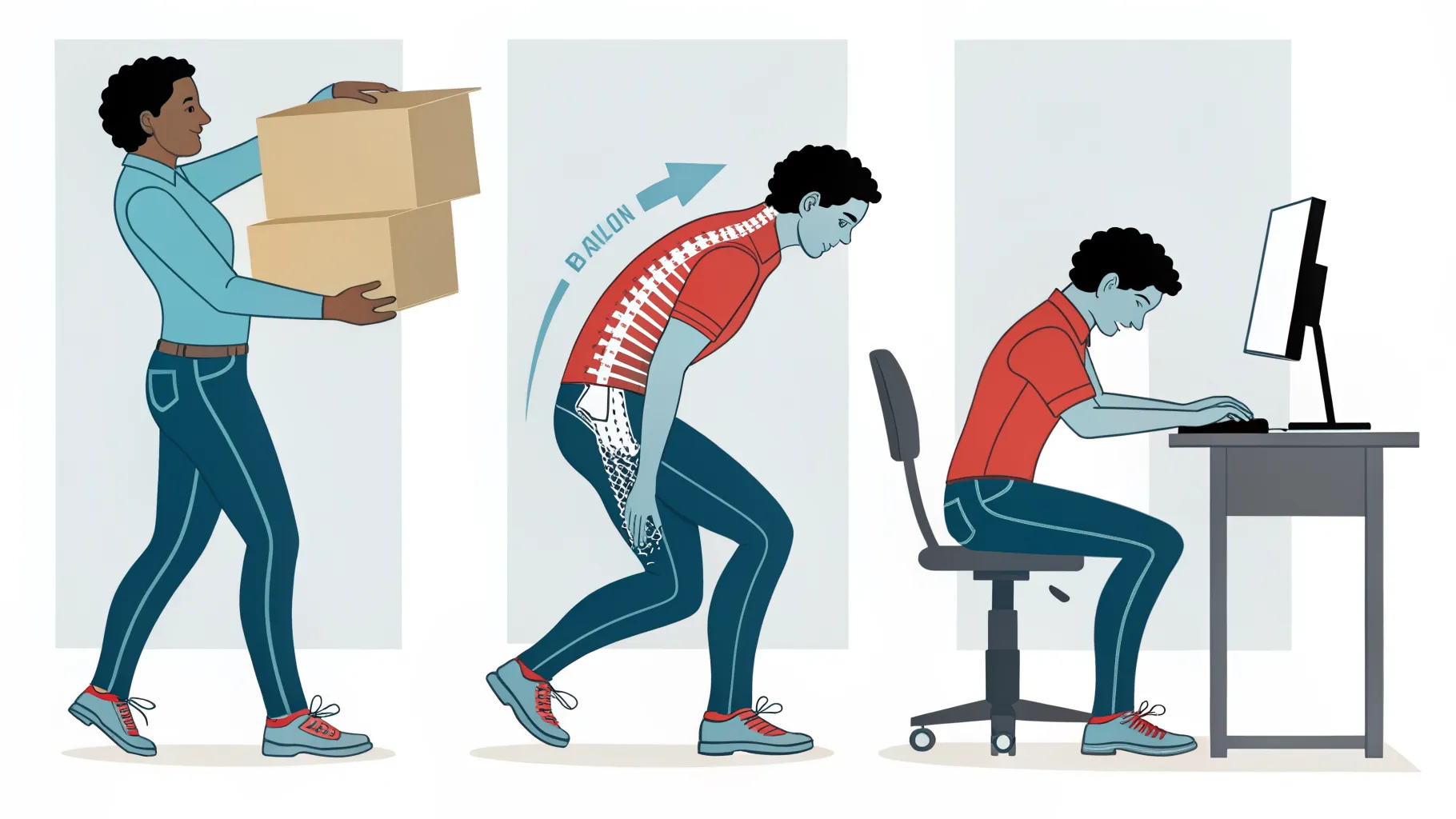
Exploring the 7 Common Triggers of Chronic Back Pain
Understanding the specific factors that contribute to persistent lower back pain is essential for effective diagnosis and treatment. Each trigger presents unique challenges and often requires a tailored approach to provide lasting relief.
1. Muscle Strain and Ligament Sprains
Muscle strains and ligament sprains are among the most common chronic back pain causes. These injuries often occur due to sudden movements, heavy lifting, or repetitive motions that overstretch or tear the muscles and ligaments supporting the spine. While acute strains usually heal with rest and conservative care, recurrent or improperly managed strains can lead to chronic inflammation and persistent discomfort. Overuse, poor posture, and inadequate conditioning can make individuals more susceptible to these types of injuries, transforming what might be a temporary ache into a nagging, persistent lower back pain.
2. Disc Herniation or Bulging Discs
Intervertebral discs act as cushions between the vertebrae. A bulging disc occurs when the disc extends beyond its normal boundaries, while a herniated disc involves the rupture of the outer fibrous ring, allowing the softer inner material to protrude. Both conditions can compress nearby nerves, leading to intense pain, numbness, or weakness, often radiating down the leg (a symptom often associated with sciatica). The pressure on nerve roots is a significant contributor to persistent lower back pain and requires careful assessment to determine the best course of lower back ache treatment.
3. Sciatica
Sciatica is not a condition itself but a symptom of an underlying problem that compresses or irritates the sciatic nerve. This nerve, the longest in the body, originates in the lower back and extends down each leg. Common causes of sciatica include a herniated disc, bone spurs, or spinal stenosis. The pain associated with sciatica typically radiates from the lower back through the buttock and down the back of the leg, sometimes reaching the foot. It can range from a mild ache to a sharp, burning sensation or excruciating discomfort, making it a particularly challenging form of persistent lower back pain to manage.
4. Spinal Stenosis
Spinal stenosis is a narrowing of the spinal canal, which houses the spinal cord and nerve roots. This narrowing can be caused by age-related changes, such as the thickening of ligaments, bone spurs, or bulging discs. When the space within the canal decreases, it can put pressure on the nerves, leading to pain, numbness, tingling, or weakness in the lower back and legs, particularly during walking or standing. Symptoms often improve when bending forward or sitting. This progressive condition is a common reason for persistent lower back pain in older adults, necessitating specialized lower back ache treatment strategies.
5. Osteoarthritis
Osteoarthritis, also known as degenerative joint disease, can affect the small facet joints in the spine. As cartilage that cushions these joints wears down, bones can rub directly against each other, leading to inflammation, pain, and stiffness. Bone spurs may also form, further contributing to nerve compression and discomfort. This degenerative process is a frequent cause of chronic back pain causes, with symptoms often worsening with activity and improving with rest. Managing osteoarthritis in the spine is a key component of addressing persistent lower back pain.
6. Spondylolisthesis
Spondylolisthesis occurs when one vertebra slips forward over the vertebra below it. This can result from congenital defects, degenerative changes, stress fractures, or trauma. The displaced vertebra can compress the spinal cord or nerve roots, leading to localized lower back pain, muscle spasms, and sometimes radiating leg pain similar to sciatica. The severity of the slip determines the intensity of symptoms and the urgency of intervention. Effective lower back ache treatment for spondylolisthesis often involves a combination of physical therapy, medication, and, in some cases, surgery.
7. Lifestyle Factors and Poor Posture
Beyond specific anatomical issues, various lifestyle factors significantly contribute to persistent lower back pain. Poor posture, whether sitting at a desk for long periods, standing incorrectly, or sleeping in an awkward position, places undue stress on the spinal structures. A sedentary lifestyle weakens core muscles, reducing the support available for the spine. Obesity increases the load on the lower back, exacerbating existing conditions and increasing the risk of new ones. Smoking can impair blood flow to the discs, accelerating degeneration. Addressing these modifiable factors is critical for both preventing and treating chronic back pain causes and ensuring long-term relief.
Comprehensive Approaches to Lower Back Ache Treatment
Treating persistent lower back pain requires a multi-faceted approach, often combining various therapies to address both the symptoms and the underlying chronic back pain causes. For conditions like sciatica or spinal stenosis, initial conservative treatments typically involve physical therapy, which focuses on strengthening core muscles, improving flexibility, and correcting posture. Medications, including over-the-counter pain relievers, muscle relaxants, or anti-inflammatory drugs, can help manage acute pain. For more severe or unresponsive cases, interventional procedures such as epidural steroid injections may be considered to reduce inflammation and pain. Surgical options are usually reserved as a last resort when conservative treatments fail to provide adequate relief, especially in cases of significant nerve compression or instability. Lifestyle modifications, including regular exercise, maintaining a healthy weight, and ergonomic adjustments, are also critical for sustained recovery and preventing recurrence of lower back ache treatment.
Proactive Steps for Managing Persistent Lower Back Pain
Taking a proactive stance is crucial for both preventing and effectively managing persistent lower back pain. Integrating specific habits and practices into your daily routine can make a significant difference in long-term comfort and mobility.
Maintain Proper Posture: Be mindful of your posture whether sitting, standing, or lifting. Use ergonomic chairs, adjust your computer screen, and practice engaging your core muscles to support your spine. Proper posture reduces strain on the lower back, minimizing the risk of aggravating chronic back pain causes.
Regular Exercise and Core Strengthening: Engage in low-impact exercises such as walking, swimming, or cycling. Crucially, focus on strengthening your core muscles (abdominal and back muscles) to provide better support for your spine. A strong core is fundamental in preventing and alleviating persistent lower back pain and can be a key part of your lower back ache treatment plan.
Healthy Weight Management: Excess body weight, especially around the abdomen, puts additional strain on your lower back. Maintaining a healthy weight through balanced diet and regular exercise can significantly reduce this pressure and improve overall spinal health.
Practice Safe Lifting Techniques: Always lift with your legs, keeping your back straight and the object close to your body. Avoid twisting motions while lifting. Improper lifting is a common trigger for muscle strains and disc issues, contributing to persistent lower back pain.
Incorporate Stretching and Flexibility: Regular stretching can improve flexibility in your hips, hamstrings, and lower back, reducing stiffness and tension that can contribute to pain. Gentle yoga or Pilates can be beneficial in enhancing overall body mechanics and flexibility, complementing other lower back ache treatment methods.
Stay Hydrated: Believe it or not, adequate hydration is essential for the health of your intervertebral discs, which are largely composed of water. Proper hydration helps discs remain pliable and function effectively as shock absorbers.
Frequently Asked Questions
What are the most common chronic back pain causes?
The most common causes of chronic back pain include muscle strains, ligament sprains, disc herniation, sciatica, spinal stenosis, osteoarthritis, and spondylolisthesis, often exacerbated by lifestyle factors and poor posture.
How can I find effective lower back ache treatment?
Effective lower back ache treatment often involves a combination of physical therapy, pain medications, lifestyle modifications, and sometimes interventional procedures or surgery, depending on the underlying cause and severity of your persistent lower back pain.
Is sciatica always a sign of a herniated disc?
No, while a herniated disc is a very common cause of sciatica, it can also be triggered by other conditions such as bone spurs, spinal stenosis, piriformis syndrome, or spondylolisthesis, all of which can compress the sciatic nerve.
References
- National Institute of Neurological Disorders and Stroke (NINDS)
- American Academy of Orthopaedic Surgeons (AAOS)
- Mayo Clinic Health Information
Authored by 24Trendz team