Unlocking Hope: Exploring Targeted Therapy for Skin Cancer
Facts:
- Targeted therapy for skin cancer shows high response rates.
- Advancements in precision oncology in dermatology are expanding options for patients with advanced melanoma targeted treatments.
Revolutionizing Treatment: The Emergence of Targeted Therapy for Skin Cancer
The landscape of oncology has been dramatically reshaped by the advent of targeted therapy for skin cancer, offering a beacon of hope for patients facing advanced or difficult-to-treat forms of the disease. Unlike traditional chemotherapy, which broadly attacks rapidly dividing cells, targeted therapies precisely identify and inhibit specific molecular pathways crucial for cancer cell growth and survival. This innovative approach represents a significant leap forward in precision oncology in dermatology, allowing for treatments that are often more effective and less toxic than conventional methods. By understanding the unique genetic mutations and protein expressions within a patient's tumor, clinicians can tailor therapeutic strategies, leading to improved outcomes and a higher quality of life. The evolution of these treatments continues to unfold, bringing increasingly sophisticated tools to combat various types of skin cancer, including melanoma and basal cell carcinoma.
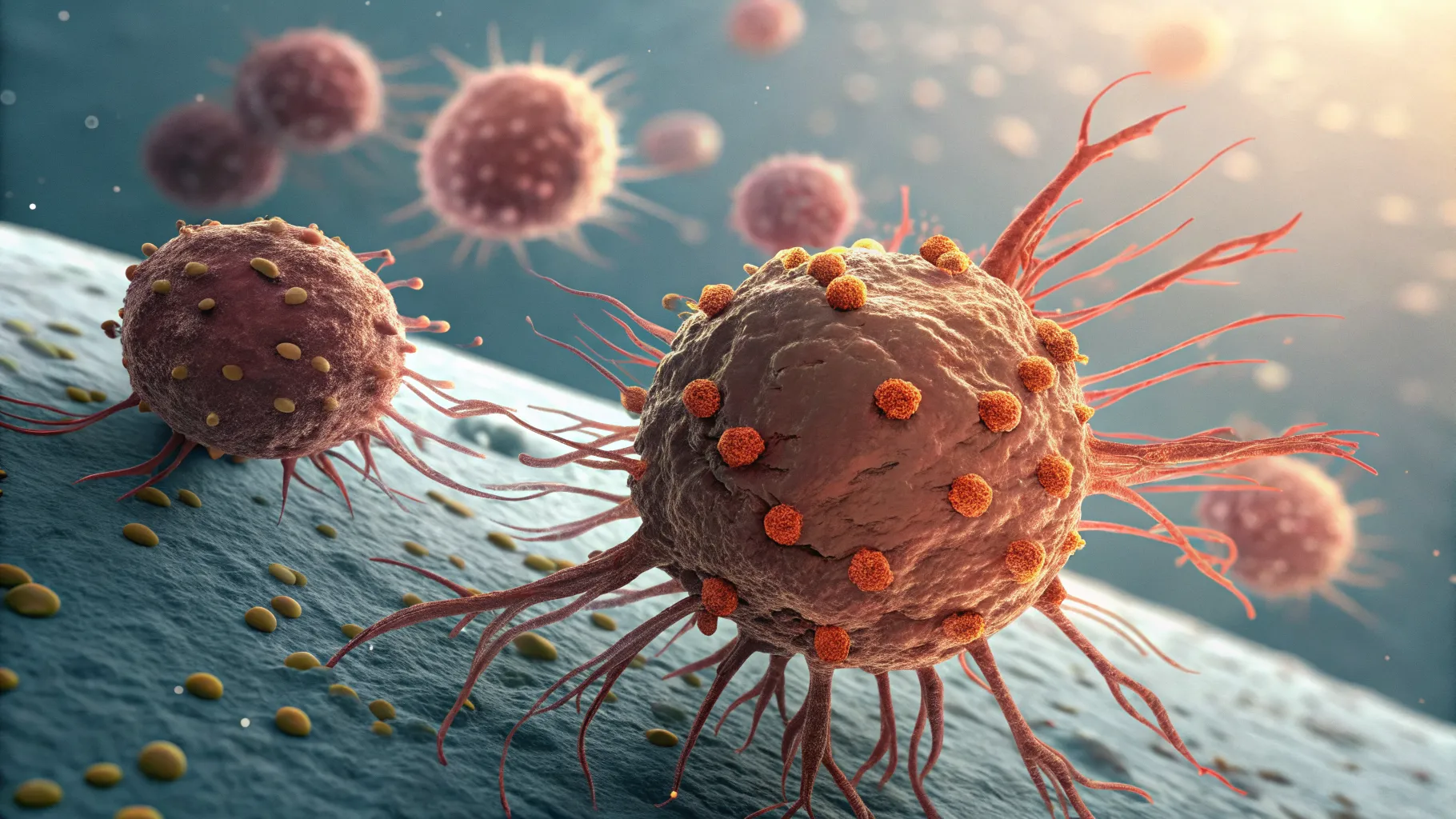
Understanding the Mechanisms of Targeted Therapy
Targeted therapy for skin cancer operates on the principle of molecular specificity, aiming to disrupt processes that are either unique to cancer cells or significantly overactive within them. This involves identifying key proteins or genes that drive tumor growth, proliferation, and survival. For instance, many skin cancers, particularly melanoma, are characterized by specific genetic mutations such as those in the BRAF gene. A mutated BRAF gene can lead to uncontrolled cell growth. Targeted drugs are designed to bind to and inhibit the activity of these specific mutated proteins, thereby blocking the signals that tell cancer cells to grow and divide. This intricate mechanism ensures that healthy cells are largely spared, distinguishing targeted therapy from broad-acting cytotoxic agents.
BRAF/MEK Inhibition for Melanoma Targeted Treatments
One of the most successful examples of targeted therapy for skin cancer, specifically melanoma, involves the inhibition of the BRAF and MEK pathways. Approximately half of all melanomas harbor a mutation in the BRAF gene. Drugs like dabrafenib and vemurafenib are BRAF inhibitors that specifically target this mutated protein, significantly shrinking tumors in many patients. However, cancer cells can develop resistance to BRAF inhibitors alone. To counteract this, MEK inhibitors (e.g., trametinib, cobimetinib) are often administered in combination. MEK is a protein in the same signaling pathway downstream from BRAF. The combination therapy effectively blocks the pathway at two points, leading to more durable responses and improved survival rates for patients receiving these melanoma targeted treatments. This dual-action approach has revolutionized care for advanced BRAF-mutated melanoma.
Hedgehog Pathway Inhibitors for Basal Cell Carcinoma Therapy
For advanced forms of basal cell carcinoma therapy, another crucial pathway targeted is the Hedgehog pathway. This pathway plays a critical role in embryonic development but is typically quiescent in adults. In basal cell carcinoma, however, the Hedgehog pathway is often aberrantly activated, driving uncontrolled cell growth. Drugs such as vismodegib and sonidegib are Hedgehog pathway inhibitors designed to block this overactive signaling. These oral medications have demonstrated remarkable efficacy in treating locally advanced or metastatic basal cell carcinoma, offering a non-surgical option for patients who are not candidates for surgery or radiation. The success of these inhibitors underscores the power of identifying specific molecular vulnerabilities to develop highly effective basal cell carcinoma therapy.
Navigating Side Effects and Management
While targeted therapy for skin cancer is generally better tolerated than chemotherapy, it is not without its side effects. The nature and severity of these side effects depend on the specific drug and the individual patient. Common side effects associated with BRAF inhibitors and MEK inhibitors for melanoma can include fever, chills, fatigue, rash, joint pain, and photosensitivity. For Hedgehog pathway inhibitors used in basal cell carcinoma, common side effects include muscle spasms, hair loss, taste disturbances, weight loss, and fatigue. Effective management strategies are crucial, often involving dose adjustments, symptomatic treatments, and close monitoring by the oncology team. Patients are educated on recognizing and reporting symptoms early, allowing for timely intervention to maintain treatment adherence and improve quality of life. Continuous communication between patient and healthcare provider is key to successful side effect management.
The Role of Biomarker Testing in Precision Oncology
A cornerstone of successful targeted therapy for skin cancer is comprehensive biomarker testing. Before initiating treatment, a patient's tumor tissue is analyzed to identify specific genetic mutations or protein expressions that can be targeted by available drugs. For melanoma, this typically involves testing for BRAF mutations. For basal cell carcinoma, while specific mutations are less commonly required for prescribing Hedgehog pathway inhibitors, understanding the pathway's activation is still central. This molecular profiling is essential for guiding treatment decisions, ensuring that patients receive the therapy most likely to be effective for their specific cancer. The field of precision oncology in dermatology is rapidly evolving, with ongoing research identifying new biomarkers and developing novel targeted agents. This necessitates a personalized approach, where treatment plans are meticulously crafted based on the unique molecular signature of each patient's tumor.
Emerging Horizons in Targeted Therapy for Skin Cancer
The future of targeted therapy for skin cancer is bright, with continuous advancements in research and clinical development. Scientists are actively exploring new molecular targets and developing next-generation inhibitors to overcome drug resistance and treat a broader spectrum of skin cancers. Combination therapies are also a major area of focus, particularly combining targeted agents with immunotherapies, which harness the body's own immune system to fight cancer. Clinical trials are currently investigating novel agents for rarer forms of skin cancer and exploring new strategies to enhance the efficacy of existing treatments. Furthermore, the development of liquid biopsies, which can detect cancer DNA in blood samples, is poised to revolutionize monitoring treatment response and detecting resistance early. These ongoing efforts promise to further refine precision oncology in dermatology, offering more effective and personalized options for patients worldwide.
Choosing the Right Path: Actionable Advice for Patients
Navigating a skin cancer diagnosis and treatment options can be overwhelming. Here's some actionable advice for patients considering or undergoing targeted therapy for skin cancer:
- Consult with Specialists: Seek opinions from dermatologic oncologists, medical oncologists, and pathologists who specialize in skin cancer and targeted therapies. Their expertise in precision oncology in dermatology is invaluable.
- Understand Your Cancer's Genetic Profile: Ensure comprehensive biomarker testing is performed on your tumor to identify specific mutations that might be amenable to targeted therapy. Ask your doctor about the results and what they mean for your treatment.
- Discuss All Treatment Options: Have an open conversation with your healthcare team about all available treatment modalities, including surgery, radiation, chemotherapy, immunotherapy, and targeted therapy for skin cancer. Understand the pros and cons of each.
- Consider Clinical Trials: If standard treatments are not suitable or if you are looking for cutting-edge options, inquire about participating in clinical trials. These trials offer access to investigational drugs and therapies that could be highly beneficial, especially for challenging cases or where existing melanoma targeted treatments have been exhausted.
- Seek Support: Connect with patient support groups or counselors who can provide emotional support and practical advice during your treatment journey. Sharing experiences can be incredibly helpful.
Frequently Asked Questions
What makes targeted therapy for skin cancer different from chemotherapy?
Targeted therapy for skin cancer specifically identifies and attacks molecular pathways crucial for cancer cell growth, often sparing healthy cells. Chemotherapy, conversely, works by killing rapidly dividing cells indiscriminately, which can affect both cancer cells and healthy cells, leading to more widespread side effects.
Are melanoma targeted treatments effective for all types of melanoma?
Melanoma targeted treatments, particularly BRAF/MEK inhibitors, are primarily effective for melanomas that harbor specific genetic mutations, most commonly the BRAF V600 mutation. For melanomas without this mutation, other treatments like immunotherapy or chemotherapy may be more appropriate.
How long does targeted therapy typically last?
The duration of targeted therapy varies significantly depending on the type of cancer, the specific drug, and the patient's response and tolerance to the treatment. Some patients may be on therapy for a fixed period, while others may continue treatment indefinitely as long as it remains effective and side effects are manageable.
References
- National Cancer Institute: Targeted Cancer Therapies
- American Academy of Dermatology Association: Basal Cell Carcinoma Treatment Options
- Journal of Clinical Oncology: Advances in Melanoma Treatment
- European Journal of Cancer: Precision Medicine in Dermatology
Authored by 24Trendz team