Unlock Your Future: Union Welding Apprenticeships in the United States
Quick Facts:
- Union welding offers structured training pathways.
- Job opportunities for skilled welders expected to grow for certified welders.
Navigating Union Welding Apprenticeships in the United States
Embarking on a journey into the welding trade through union welding apprenticeships in the United States offers a robust and structured pathway to a highly rewarding career. These comprehensive programs are designed not just to teach the fundamentals of welding but to cultivate truly skilled welders capable of tackling complex projects across various industries. Understanding the landscape of these apprenticeship programs is crucial for aspiring professionals seeking stability, excellent benefits, and continuous professional development in their welding careers.
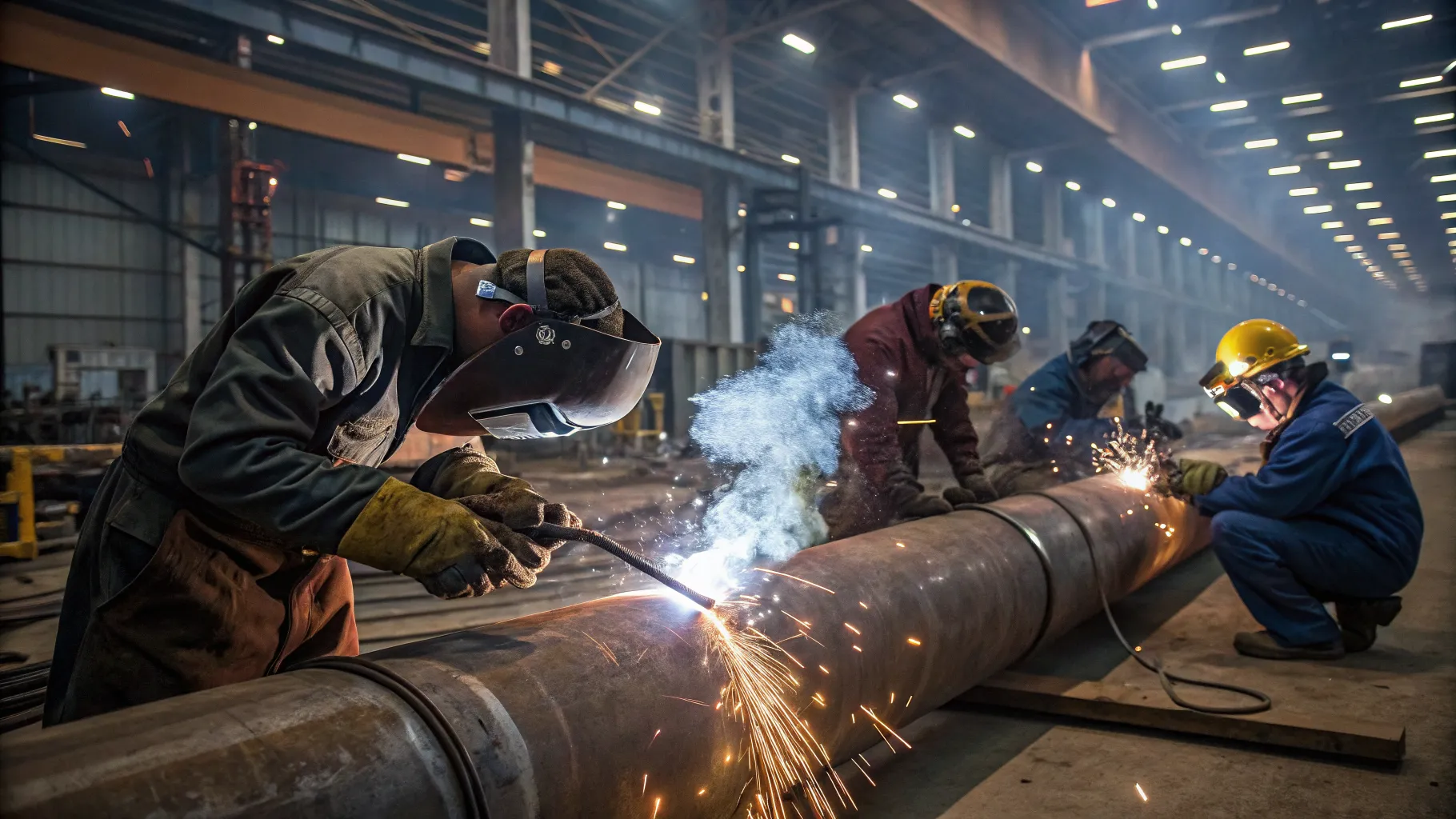
The Pathway to Becoming a Skilled Welder Through Union Programs
The journey to becoming a certified welder through a union typically begins with applying to a local Joint Apprenticeship Training Committee (JATC). These committees are often partnerships between unions and employer associations, ensuring that the training provided is directly relevant to industry needs. Applicants usually need to meet specific prerequisites, including age, educational attainment (often a high school diploma or GED), and sometimes a basic aptitude test. Once accepted, apprentices enter into a multi-year program combining rigorous on-the-job training with classroom instruction. This hands-on experience, guided by seasoned mentors, is invaluable for developing the practical skills necessary for a successful welding career. The structured curriculum ensures that apprentices gain a deep understanding of various welding techniques, safety protocols, and industry standards, making them highly sought-after skilled welders upon completion.
Benefits of Union Welding Apprenticeships
One of the most compelling reasons to pursue union welding apprenticeships is the unparalleled range of benefits offered. Apprentices typically receive competitive wages that increase progressively as they advance through the program, providing financial stability from day one. Beyond the paycheck, these apprenticeship programs usually include comprehensive health insurance, retirement plans, and other crucial benefits often superior to those found in non-union settings. The training itself is often free or low-cost, saving aspiring welders thousands in educational expenses. Furthermore, union membership provides access to a vast network of professionals, offering job placement assistance and ongoing training opportunities to keep skills sharp and relevant. This holistic support system is designed to foster long-term successful welding careers, creating a strong foundation for both professional growth and personal well-being.
Key Organizations and Training Bodies
The backbone of union welding apprenticeships in the United States rests with key organizations like the United Association of Journeymen and Apprentices of the Plumbing and Pipe Fitting Industry of the United States and Canada (UA), the International Brotherhood of Boilermakers, and other craft unions. These unions, in conjunction with their respective Joint Apprenticeship Training Committees (JATCs), oversee the rigorous training and certification processes. JATCs ensure that every apprentice receives standardized, high-quality instruction that meets or exceeds industry requirements, paving the way for apprentices to become fully certified welders. The partnerships between unions and employers guarantee that the training aligns with real-world demands, preparing graduates for immediate and impactful contributions to the workforce across diverse sectors like construction, manufacturing, and energy.
Comparing Union vs. Non-Union Welding Careers
The choice between union and non-union pathways for a welding career presents distinct differences. Union welding careers, fueled by union welding apprenticeships, generally offer higher average wages, more comprehensive benefits packages (including health insurance, pensions, and vacation pay), and greater job security due to collective bargaining agreements. Union members often benefit from standardized pay scales and working conditions, reducing disparities. Non-union welders, while potentially having more flexibility in choosing employers, might face more variable pay, fewer benefits, and less structured training paths. Union membership also provides access to a strong advocacy system, ensuring fair treatment and safe working conditions. For those seeking a stable, well-compensated, and professionally supported journey to becoming skilled welders, the union route often provides a more robust framework for long-term success.
Essential Steps for Aspiring Welders
For individuals eager to embark on a fulfilling welding career through union welding apprenticeships, a strategic approach is key:
Research Local Unions: Begin by identifying unions and their respective Joint Apprenticeship Training Committees (JATCs) in your area that offer welding programs. Understand their specific requirements and application deadlines to become a certified welder.
Meet Prerequisites: Ensure you meet all educational and age requirements. Some programs may also require a driver's license or specific physical capabilities.
Prepare for Aptitude Tests: Many apprenticeship programs include a basic skills test covering math and reading comprehension. Brush up on these areas to improve your chances.
Gain Basic Experience: While not always mandatory, having some foundational knowledge or experience in welding, perhaps through vocational school or hobby welding, can demonstrate your commitment and aptitude for the welding trade.
Attend Information Sessions: Many JATCs host informational meetings where you can learn more about the program, ask questions, and network with current apprentices and instructors.
Commit to the Program: Once accepted, success hinges on dedication to both the on-the-job training and classroom instruction. Embrace the opportunity to learn from experienced skilled welders and absorb all aspects of the curriculum.
Frequently Asked Questions
What are the typical duration of Union welding apprenticeships?
Most union welding apprenticeships last between three to five years, combining thousands of hours of on-the-job training with hundreds of hours of classroom instruction to develop highly skilled welders.
Do I get paid during a Union welding apprenticeship?
Yes, apprentices in union welding apprenticeships are typically paid for their on-the-job work, with wages increasing progressively as they advance through the program and gain more skills towards becoming a certified welder.
What are the career prospects after completing a Union welding apprenticeship?
Graduates of union welding apprenticeships have excellent career prospects, often securing well-paying jobs with comprehensive benefits in various sectors, leading to stable and rewarding welding careers.
References
- US Department of Labor – Apprenticeship Information
- National Institute for Metalworking Skills (NIMS) Standards
- Various UA and Boilermakers Union Training Materials
Authored by 24Trendz team