Understanding Your Thyroid Blood Test Results: A Comprehensive Guide
Facts:
- Thyroid issues affect millions globally.
- Early detection of thyroid hormones imbalance is crucial for health.
Demystifying Your Thyroid Blood Test Results
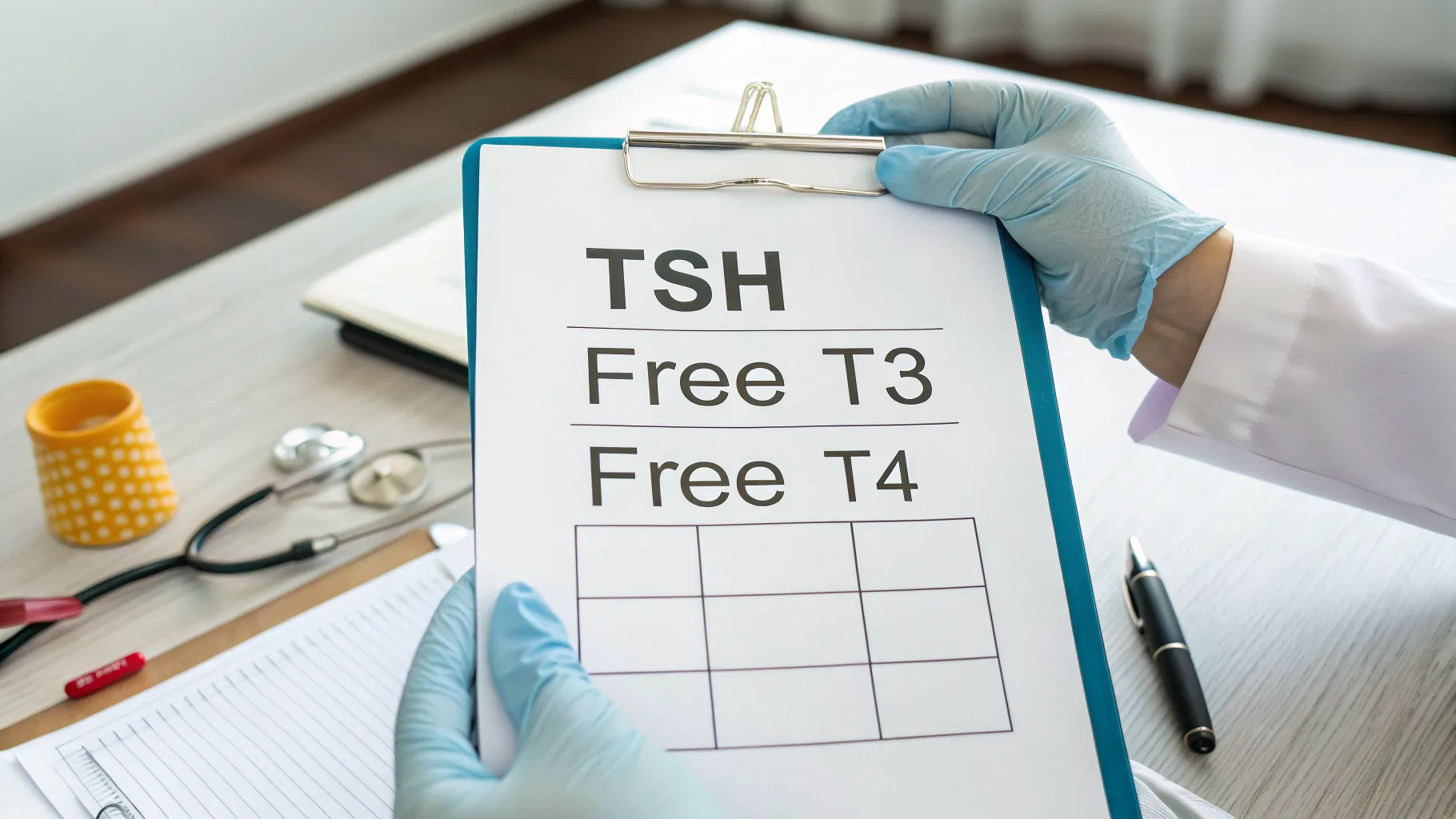
Navigating the complexities of your thyroid blood test results can feel overwhelming, especially when faced with an array of acronyms and numbers. This comprehensive guide aims to shed light on what these crucial indicators mean for your health, providing clarity on common tests like TSH, free T3, and free T4. Understanding these values is the first step towards managing your thyroid health effectively and engaging in informed discussions with your healthcare provider about potential imbalances in thyroid hormones.
The Role of TSH in Thyroid Function
The Thyroid-Stimulating Hormone (TSH) is often the first and most sensitive test used to screen for thyroid disorders. Produced by the pituitary gland, TSH acts as a messenger, signaling your thyroid gland to produce more or fewer **thyroid hormones**. When your TSH levels are high, it typically indicates that your pituitary gland is working harder to stimulate a sluggish thyroid, often pointing towards hypothyroidism. Conversely, very low TSH levels can suggest an overactive thyroid, or hyperthyroidism, where the pituitary doesn't need to stimulate the thyroid as much. Interpreting these TSH levels is fundamental to understanding your thyroid's baseline activity and whether it's functioning optimally or under stress.
Understanding Free T3 and Free T4
While TSH provides insight into the pituitary's interaction with the thyroid, tests for **free T3 and T4** directly measure the active thyroid hormones circulating in your blood. Thyroxine (T4) and triiodothyronine (T3) are crucial for regulating metabolism, energy production, body temperature, and even mood. 'Free' refers to the amount of hormone not bound to proteins, meaning it's available for your body's cells to use. Low levels of **free T3 and T4**, especially in conjunction with high TSH, strongly indicate hypothyroidism. Conversely, elevated **free T3 and T4** alongside suppressed TSH often points to hyperthyroidism. These measurements are vital for pinpointing the exact nature of any thyroid imbalance and determining the most appropriate course of action.
Unpacking Thyroid Antibodies
Beyond TSH, **free T3 and T4**, additional tests for thyroid antibodies can provide critical information, particularly if an **autoimmune thyroid disease** is suspected. The most common antibodies tested are Thyroid Peroxidase Antibodies (TPOAb) and Thyroglobulin Antibodies (TgAb). The presence of high levels of these antibodies often signals conditions like Hashimoto's thyroiditis (a common cause of hypothyroidism) or Graves' disease (a common cause of hyperthyroidism). Even if your thyroid blood test results for TSH and free T3/T4 are within normal ranges, positive antibody tests can indicate a predisposition to or the early stages of an **autoimmune thyroid disease**, prompting closer monitoring or preventative strategies.
Interpreting Your Results: A Holistic View
It's crucial to understand that interpreting your thyroid blood test results is not about looking at single numbers in isolation. A holistic approach, combining all your thyroid hormone levels with your symptoms, medical history, and family history, provides the most accurate diagnosis. What constitutes a 'normal' range can also have individual variations, and sometimes, optimal levels for one person may differ slightly from another. Your healthcare provider will consider the full spectrum of your results to determine if your thyroid is functioning optimally for your unique body, taking into account any subclinical imbalances or early indicators of potential issues, especially concerning **autoimmune thyroid disease**.
Actionable Steps After Receiving Your Thyroid Results
Consult Your Doctor: Discuss your specific thyroid blood test results with a healthcare professional to understand their implications for your health. Don't self-diagnose.
Track Your Symptoms: Maintain a detailed log of any symptoms, as this provides crucial context to your thyroid hormone levels.
Lifestyle Adjustments: Explore dietary changes, stress management techniques, and exercise routines that can support overall thyroid health, always under medical guidance.
Medication Adherence: If prescribed medication, understand its purpose, dosage, and side effects. Regular follow-up tests will monitor its effectiveness.
Frequently Asked Questions
What is a normal TSH level?
A normal TSH level typically falls within the range of 0.4 to 4.0 mIU/L, though optimal ranges can vary based on individual factors, age, and pregnancy status. Your doctor will interpret your TSH levels in the context of your overall health and other thyroid blood test results to determine if they are ideal for you.
Why are both TSH and free T3 and T4 tested?
Testing both TSH and free T3 and T4 provides a more complete picture of thyroid function. TSH indicates how well the pituitary gland is stimulating the thyroid, while free T3 and T4 measure the actual active thyroid hormones circulating in your blood. This combination helps differentiate between primary and secondary thyroid disorders and identifies conditions like subclinical hypothyroidism.
Can stress impact my thyroid blood test results?
While stress doesn't directly alter thyroid hormone production in the same way a disease does, chronic stress can affect the hypothalamic-pituitary-adrenal (HPA) axis, which indirectly influences thyroid function. It can sometimes exacerbate symptoms or, in rare cases, influence how your body uses thyroid hormones. However, it's crucial to consult a doctor to rule out underlying medical conditions rather than attributing abnormal thyroid blood test results solely to stress.
References
- American Thyroid Association Guidelines
- Endocrine Society Clinical Practice Guidelines
- Mayo Clinic: Thyroid disease information
- National Institute of Diabetes and Digestive and Kidney Diseases (NIDDK)
Authored by 24Trendz team