Understanding the Top 3 Causes of Leg Weakness in Seniors
Fast Facts:
- Over 30% of seniors experience mobility issues.
- Muscle strength declines significantly with age for the elderly.
Exploring the Primary Factors Contributing to Leg Weakness in Seniors
Leg weakness in seniors is a common and often debilitating condition that can significantly impact daily life, limiting independence and increasing the risk of falls. Understanding the underlying causes is the first step towards effective management and improved quality of life. This comprehensive guide will delve into the top three most prevalent reasons behind compromised leg strength in older adults, offering insights into prevention and treatment strategies. Addressing these issues proactively can help seniors maintain their physical autonomy and prevent further mobility issues.
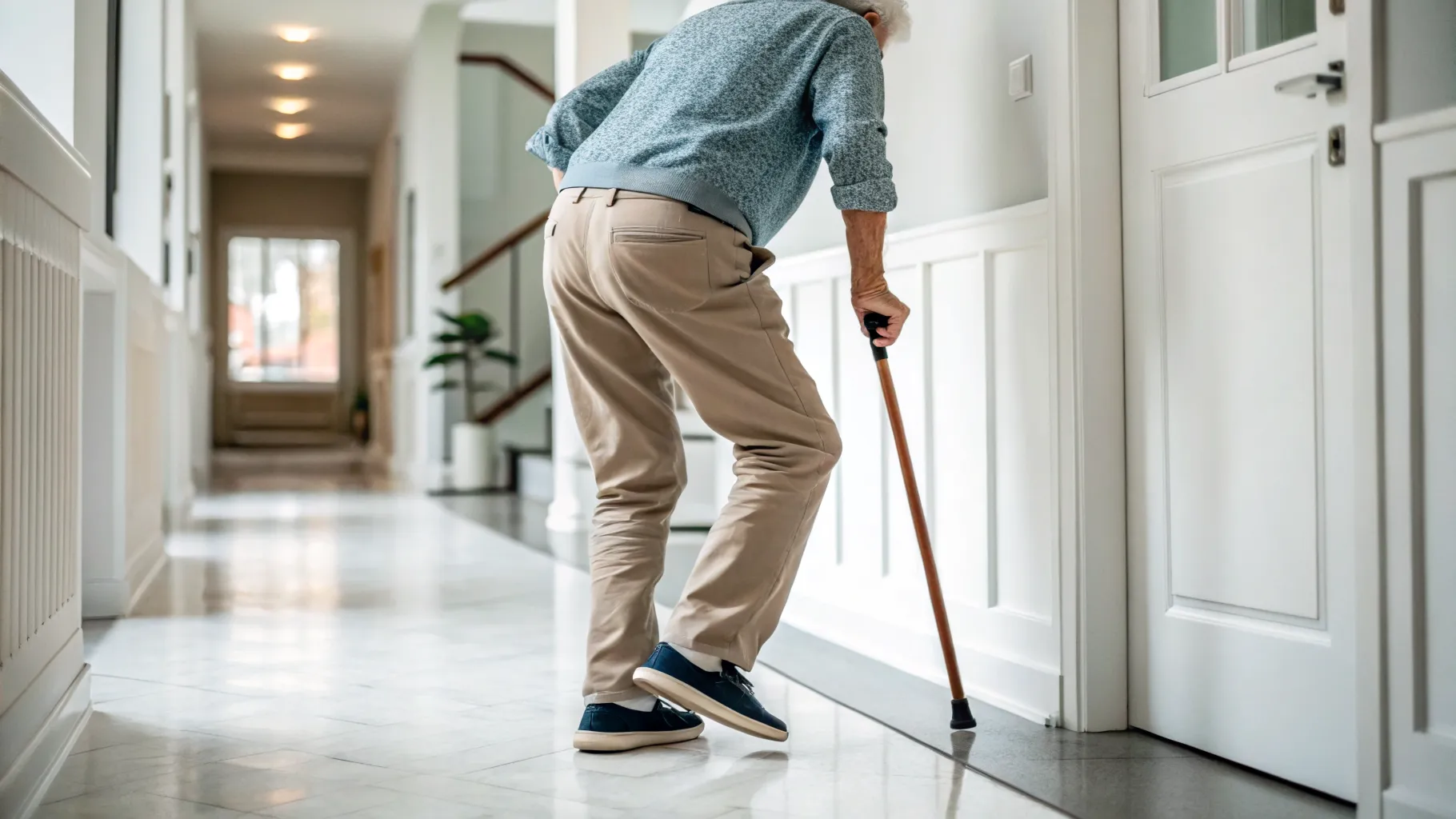
Understanding the Core Mechanisms Behind Senior Leg Weakness
As we age, our bodies undergo numerous physiological changes, some of which directly contribute to a reduction in muscle strength and overall lower body function. Identifying these mechanisms is crucial for targeted interventions. Factors like decreased physical activity, chronic diseases, and even medication side effects can play a role. However, certain conditions stand out as primary drivers of significant leg weakness in seniors, necessitating specific attention and management strategies.
Cause 1: Sarcopenia and Muscle Atrophy
Sarcopenia, the age-related involuntary loss of skeletal muscle mass, strength, and function, is arguably the most pervasive cause of leg weakness in seniors. Beginning as early as age 30 and accelerating after 60, this condition leads to profound muscle atrophy. The decline isn't just in muscle size but also in the quality of the muscle tissue, as fat and fibrous tissue infiltrate the muscle fibers. This reduction directly impairs strength, balance, and gait, making simple tasks like climbing stairs or even standing up from a chair challenging. Factors contributing to sarcopenia include reduced physical activity, inadequate protein intake, hormonal changes, and chronic inflammation. Addressing sarcopenia often involves a multi-faceted approach focusing on resistance training and nutritional support to combat muscle atrophy.
Cause 2: Peripheral Neuropathy
Peripheral neuropathy is another significant contributor to leg weakness in seniors. This condition results from damage to the peripheral nerves, which transmit information from the brain and spinal cord to the rest of the body, including the legs and feet. Common causes of peripheral neuropathy include diabetes, vitamin deficiencies, certain infections, autoimmune diseases, and exposure to toxins or certain medications. Symptoms can include numbness, tingling, burning sensations, and sharp pains, but critically, they also involve muscle weakness and a loss of coordination in the legs. When nerve signals to the leg muscles are disrupted, the muscles cannot contract effectively, leading to profound leg weakness in seniors and difficulty with walking or maintaining balance. Managing peripheral neuropathy involves treating the underlying cause, controlling symptoms, and sometimes physical therapy to improve strength and balance.
Cause 3: Osteoarthritis and Joint Issues
While not a direct cause of muscle weakness, severe osteoarthritis, particularly in the knees and hips, can indirectly lead to significant leg weakness in seniors. The pain and stiffness associated with arthritis can make it difficult and painful to move the affected joints, leading to a reduction in physical activity. This decreased activity, in turn, can accelerate muscle atrophy in the surrounding leg muscles due to disuse. Furthermore, the body's natural response to pain often involves muscle guarding or compensation, which can alter gait and strain other muscle groups, contributing to overall lower body weakness and instability. The chronic inflammation and joint damage typical of arthritis can also contribute to a general decline in physical function and increased mobility issues, making simple tasks extremely challenging for seniors.
Addressing Mobility Challenges and Enhancing Senior Leg Strength
Once the underlying causes of leg weakness in seniors are identified, a targeted approach is essential for effective management. This often involves a combination of medical interventions, lifestyle adjustments, and rehabilitative therapies. Improving muscle strength and function, managing pain, and enhancing balance are key goals. Proactive measures can not only mitigate existing weakness but also prevent further deterioration, helping seniors maintain their independence and enjoy a higher quality of life. For instance, structured exercise programs tailored to individual capabilities can significantly reverse some effects of muscle atrophy and improve overall mobility issues.
Practical Strategies to Combat Leg Weakness
Regular Strength Training:
Engage in resistance exercises targeting the major muscle groups of the legs, such as squats (modified as needed), lunges, calf raises, and leg presses. Even light weights or bodyweight exercises performed consistently can help rebuild muscle mass and combat muscle atrophy. Consult a physical therapist to design a safe and effective program tailored to your fitness level and any existing conditions.
Balanced Nutrition for Muscle Health:
Ensure adequate protein intake, crucial for muscle repair and growth. Aim for lean proteins like poultry, fish, beans, and dairy. Also, consider nutrients like Vitamin D and calcium, which are vital for bone and muscle health. A balanced diet can significantly support efforts to reduce leg weakness in seniors.
Pain Management for Arthritis:
For individuals with arthritis, effective pain management is key to maintaining activity. This may include anti-inflammatory medications, heat/cold therapy, physical therapy, or even joint injections. Reducing pain allows for greater participation in exercises that strengthen leg muscles and improve overall mobility issues.
Neuropathy Treatment and Support:
If peripheral neuropathy is the cause, work with your doctor to manage the underlying condition (e.g., blood sugar control for diabetes). Medications can help manage neuropathic pain. Physical therapy can also improve strength, balance, and coordination, helping to mitigate the impact of nerve damage on leg weakness in seniors.
Fall Prevention and Balance Training:
Incorporate exercises that improve balance, such as tai chi, yoga, or specific balance drills. Clearing hazards from the home environment, using assistive devices if necessary, and wearing appropriate footwear can also significantly reduce the risk of falls often exacerbated by mobility issues.
Frequently Asked Questions
Can leg weakness in seniors be reversed?
Yes, in many cases, leg weakness in seniors can be significantly improved or even reversed with appropriate interventions. This often involves a combination of targeted strength training, nutritional adjustments, and managing underlying health conditions like arthritis or neuropathy. Early intervention is key for the best outcomes.
What role does nutrition play in muscle atrophy?
Nutrition plays a critical role in preventing and managing muscle atrophy. Adequate protein intake is essential for muscle synthesis, while vitamins and minerals like Vitamin D and calcium support overall muscle and bone health. Malnutrition or insufficient caloric intake can accelerate muscle loss and worsen leg weakness in seniors.
How does exercise help with mobility issues?
Regular exercise, especially resistance training, directly builds muscle strength and mass, which can significantly reduce mobility issues and improve balance. Cardiovascular exercise also enhances endurance, while flexibility exercises improve range of motion. A comprehensive exercise program is vital for seniors to maintain functional independence.
References
- Journal of Gerontology: Medical Sciences. Sarcopenia: A Framework for Future Research.
- Neurology: Official Journal of the American Academy of Neurology. Peripheral Neuropathy: Evidence for Diagnosis and Treatment.
- Arthritis & Rheumatology. Osteoarthritis: Pathogenesis, Clinical Features, and Treatment.
- National Institute on Aging. Exercise and Physical Activity: Your Everyday Guide.
Authored by 24Trendz team