Understanding the Costs of an Amazon River Cruise Expedition
Embarking on an Amazon River cruise is a dream for many travelers seeking adventure and a deep connection with nature. The vastness of the Amazon basin, coupled with its incredible wildlife and diverse ecosystems, makes it a unique destination. However, the cost of such an expedition can vary significantly, depending on several key factors. This guide aims to demystify the pricing structure, helping you understand what to expect and how to budget for your Amazonian adventure.
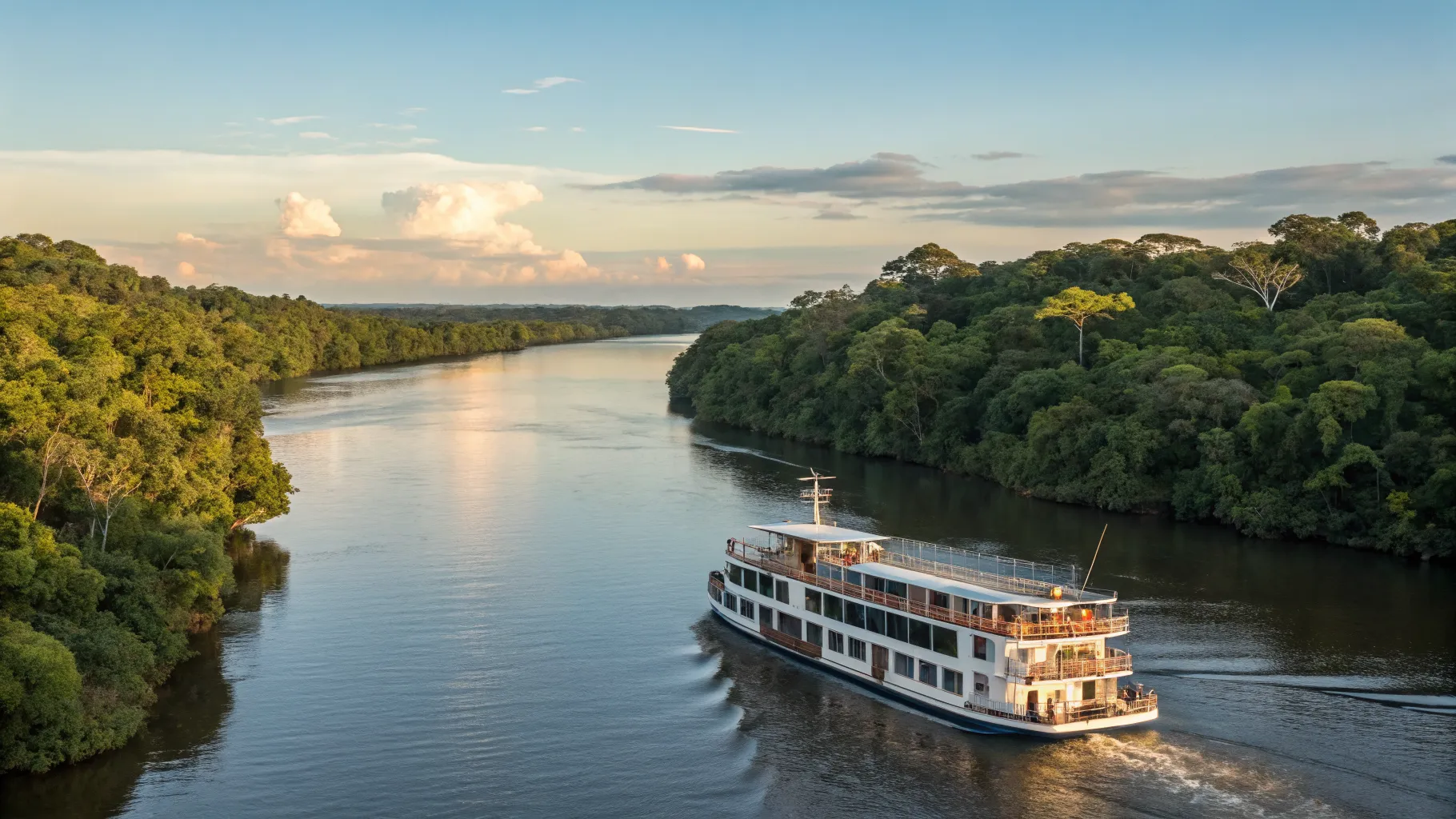
Factors Influencing Amazon Cruise Costs
The total cost of an Amazon River cruise expedition is not monolithic; rather, it is a mosaic of various components. The most significant factors include the duration of the cruise, the level of luxury and amenities offered on board, and the specific region of the Amazon being explored. Shorter itineraries typically range from three to five nights, while longer voyages can extend to a week or more, naturally increasing the overall price.
Beyond the length of the trip, the type of vessel plays a crucial role. Options range from rustic, local boats offering basic accommodations to sophisticated, purpose-built expedition ships equipped with modern comforts, expert guides, and fine dining. Each of these elements contributes to the varying price points travelers will encounter when planning their journey.
Budget-Friendly Options: Exploring the Lower End
For travelers mindful of their budget, several options exist that still offer an authentic Amazon experience without a hefty price tag. These typically involve smaller, more basic vessels, often operated by local companies, which provide essential comforts and focus heavily on the natural surroundings. Accommodations might be simpler, and amenities less extensive compared to luxury cruises.
These cruises often have itineraries concentrating on a specific segment of the river, frequently departing from major gateway cities like Iquitos in Peru or Manaus in Brazil. While they may not include gourmet meals or private balconies, they often excel at providing immersive wildlife excursions, guided by knowledgeable local naturalists. Costs for such expeditions can range from a few hundred dollars to around $1,500 per person for a multi-day trip, depending on the length and specific inclusions.
Mid-Range Experiences: Balancing Comfort and Cost
The mid-range category of Amazon River cruises strikes a balance between affordability and enhanced comfort. These expeditions typically feature vessels that offer a good level of amenities, including private cabins with en-suite bathrooms, air conditioning, and perhaps a small lounge or dining area. The service often includes professional guides and more varied meal options.
Such cruises often provide a richer array of included activities, from guided jungle walks and piranha fishing to visits to local communities. They are an excellent choice for travelers seeking a comfortable and well-organized experience without venturing into the luxury segment. Prices for mid-range cruises generally fall within the range of $1,500 to $4,000 per person for a typical 4-7 night itinerary, varying by operator and departure point.
Luxury Expeditions: What Premium Packages Offer
At the higher end of the spectrum, luxury Amazon River cruises redefine expedition travel with unparalleled comfort, service, and exclusive experiences. These vessels are often boutique ships with spacious cabins or suites, many featuring private balconies or panoramic windows. Guests can expect gourmet dining, open bars, and often a swimming pool, spa services, or observation decks.
Luxury expeditions typically boast a high guide-to-guest ratio, ensuring personalized attention and in-depth educational experiences. The itineraries often include unique excursions, special access to remote areas, and highly specialized equipment for wildlife viewing. These premium experiences can range from $4,000 to well over $10,000 per person, especially for longer or more exclusive voyages. The price reflects the elevated level of service, comfort, and the unique, curated nature of the journey.
Understanding What's Included and Hidden Costs
When evaluating the cost of an Amazon cruise, it's critical to thoroughly review what is included in the stated price. Most cruises will include accommodation, meals, guided excursions, and sometimes transfers to and from the embarkation point. However, several other expenses might not be covered and should be factored into your total budget:
International Airfare: Flights to the gateway city (e.g., Lima, Quito, Manaus) are almost always separate.
Domestic Flights: Some cruises require additional domestic flights within the country to reach the specific embarkation port, which may not be included.
Tips for Crew and Guides: Gratuities are customary and can add a significant amount to your overall expenditure, typically ranging from $10-$20 per person per day.
Alcoholic Beverages: While some luxury cruises include an open bar, many mid-range and budget options charge extra for alcoholic drinks.
Personal Expenses: Souvenirs, laundry service, and personal purchases are generally not included.
Travel Insurance: Highly recommended but an additional cost.
Always read the fine print or ask your travel advisor for a comprehensive list of inclusions and exclusions to avoid surprises.
Seasonality and Its Impact on Pricing
The Amazon experiences two main seasons: the high-water season and the low-water season, both offering distinct advantages and influencing cruise pricing. The high-water season (roughly December to May) sees the river levels rise significantly, allowing boats to navigate deeper into the flooded forests, providing unique wildlife viewing opportunities from the comfort of the vessel. This period can sometimes command slightly higher prices due to demand and the distinct nature of the excursions.
Conversely, the low-water season (approximately June to November) exposes more land, making jungle walks and exploration of riverbanks more prevalent. While prices may sometimes be marginally lower during this period, the difference is often not drastic. Demand, rather than just season, is a key driver. Peak holiday periods, such as Christmas, New Year, and Easter, will almost invariably see higher prices regardless of water levels.
Strategies for Optimizing Your Cruise Budget
Planning an Amazon River cruise requires consideration of various budget-saving strategies to ensure you get the most value for your money. One effective approach is to book your cruise well in advance, as early bird discounts or better cabin selections are often available. Conversely, last-minute deals can sometimes emerge, though these carry the risk of limited availability or choice.
Traveling during the shoulder seasons, which are the periods immediately before or after peak demand, can also yield more favorable pricing. While still offering excellent conditions for exploration, these times might not be as crowded or as expensive as the absolute peak season. Additionally, comparing itineraries and inclusions across multiple operators and vessel types is crucial. Some operators may offer packages that include domestic flights or transfers, potentially saving you money compared to booking each component separately. Being flexible with your travel dates can also unlock better deals, as specific departure dates may have different pricing tiers.
Authored by 24Trendz team