Understanding Police Impounded Electric Scooters: Laws, Recovery, and Prevention
Facts:
- Electric scooter impoundment rates are rising in urban areas.
- Regulatory changes are impacting e-scooter regulations for urban commuters.
Navigating the Complexities of Police Impounded Electric Scooters
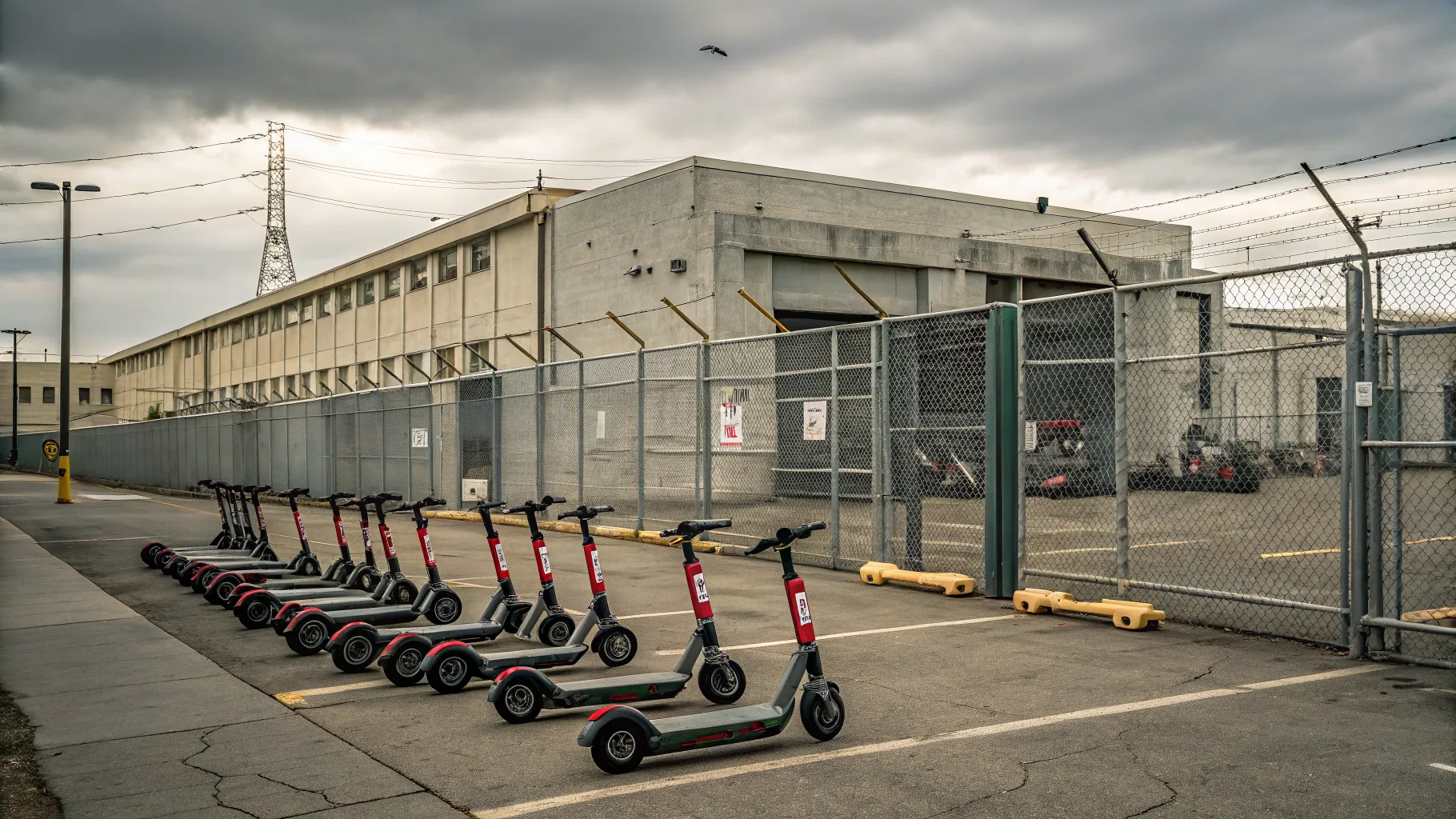
The sight of a police impound lot can be daunting, especially when your personal mobility device, like an electric scooter, finds its way there. Understanding why and how police impounded electric scooters become a reality is crucial for riders. This article delves into the common reasons behind scooter seizure laws, what steps you can take to retrieve your device, and preventative measures to avoid such situations altogether.
Common Reasons for Electric Scooter Impoundment
Violation of Local E-Scooter Regulations
One of the primary reasons for electric scooter impoundment stems from a lack of adherence to local e-scooter regulations. These rules vary significantly by municipality and can include restrictions on where scooters can be ridden (e.g., sidewalks vs. bike lanes), speed limits, requirements for helmets, and even age restrictions for operators. Riders who are unaware of or choose to ignore these specific laws often find their devices subject to confiscation under strict scooter seizure laws.
Improper Parking and Obstruction
Another frequent cause for impounded scooters is improper parking. As electric scooters have proliferated, so have concerns about their impact on public spaces. Many cities have introduced strict rules against parking scooters on sidewalks, blocking pedestrian pathways, hindering access for individuals with disabilities, or obstructing building entrances. When a scooter is left in a prohibited area, especially if it creates a hazard, authorities are quick to remove and impound it, enforcing immediate penalties and storage fees.
Unregistered or Uninsured Operation
While not universal, an increasing number of jurisdictions are implementing requirements for electric scooter registration and, in some cases, even insurance. Operating a scooter without the necessary permits or coverage can lead directly to its impoundment. These new `e-scooter regulations` aim to ensure accountability and safety within the growing micromobility landscape. Failure to comply with these administrative requirements means your scooter is operating illegally, making it vulnerable to electric scooter impoundment.
Operating Under the Influence
Similar to cars, bicycles, and even skateboards in some areas, operating an electric scooter while under the influence of alcohol or drugs is illegal and can result in severe penalties, including the immediate impoundment of the device. Police treat DUI (Driving Under the Influence) or DWI (Driving While Intoxicated) offenses involving electric scooters with the same seriousness as other vehicle types, highlighting the responsibility riders bear and the broad reach of scooter seizure laws.
Traffic Violations and Dangerous Riding
Reckless or dangerous riding, such as running red lights, ignoring stop signs, weaving through traffic erratically, or riding against the flow of traffic, can lead to direct police intervention. Officers have the authority to pull over scooter riders who commit serious traffic infractions. Depending on the severity of the violation and local statutes, the officer may issue a citation and also impound the scooter, contributing to the growing number of police impounded electric scooters.
The Process of Recovering Seized Scooters
If your electric scooter has been impounded, understanding the recovery process is paramount to minimizing costs and successfully getting your device back. The steps for recovering seized scooters can be complex, often requiring prompt action and careful adherence to official procedures established by the impounding authority.
- Identify the Impounding Agency: Determine which police department or municipal authority handled the electric scooter impoundment. This is often indicated on a ticket or through a contact number provided at the scene or through a quick online search of local impound lots.
- Understand the Violation: Obtain clear and specific information on the infraction that led to the scooter seizure laws being enforced. This will dictate the applicable fines, necessary documentation, and any required actions you must take before retrieval.
- Gather Required Documentation: Typically, you'll need robust proof of ownership (e.g., purchase receipt, bank statement, or serial number registration), a valid government-issued ID, and potentially proof of registration or insurance if these are requirements in your jurisdiction. Ensure all documents are original or certified copies.
- Pay Fines and Fees: Be prepared for a range of costs, including impoundment fees, daily storage fees, and any associated traffic violation fines. These costs can accrue quickly, making prompt action essential for recovering seized scooters without incurring excessive expenses.
- Arrange for Pickup: Once all legal and financial requirements are met, schedule a pickup. Some facilities have specific operating hours and require an appointment, so confirm this beforehand. It's often advisable to have a vehicle capable of transporting your impounded scooter, as it might not be immediately rideable or legal to ride from the lot.
Preventative Measures and Responsible E-Scooter Use
Avoiding the frustration and expense of dealing with police impounded electric scooters is always preferable to navigating the recovery process. By adopting responsible riding and parking habits, and staying informed about current laws, you can significantly reduce the risk of your scooter being seized. Proactive measures are key to ensuring uninterrupted use of your micromobility device and upholding positive relationships with local authorities.
- Know Local Regulations: Before venturing out, thoroughly research and understand all local e-scooter regulations, including where you can ride, park, and any licensing requirements. Ignorance of the law is rarely an acceptable defense when facing scooter seizure laws.
- Park Responsibly: Always park your electric scooter in designated areas, or in a way that ensures it doesn't obstruct pedestrian pathways, building entrances, or traffic flow. Use common courtesy and consider the impact on others to prevent your scooter from becoming one of many impounded scooters.
- Ride Safely and Soberly: Adhere strictly to traffic laws, wear appropriate safety gear (like a helmet), and never operate your scooter under the influence of alcohol or drugs. Responsible riding significantly minimizes the chances of violations that could lead to electric scooter impoundment.
- Maintain Documentation: Keep readily accessible proof of ownership, and any required registration or insurance documents. This preparation can significantly expedite the process of recovering seized scooters if an issue arises and authorities require verification.
- Regularly Check for Updates: Laws and e-scooter regulations are constantly evolving, particularly in urban environments. Stay informed about changes in your local area by checking municipal websites or local news to prevent unexpected impoundment due to new rules.
Frequently Asked Questions
What are the typical fines associated with police impounded electric scooters?
Fines for police impounded electric scooters vary significantly by jurisdiction and the nature of the violation. They can range from minor parking fines (e.g., $25-$100) to substantial penalties for serious infractions like operating under the influence (e.g., $500+) plus daily impoundment and storage fees, which often start at $30-$50 per day.
How long do I have to retrieve my impounded scooter?
The timeframe for recovering seized scooters also depends on local ordinances. Generally, owners have a limited period, often 15-30 days, before the scooter may be deemed abandoned and either auctioned off, recycled, or disposed of. It's crucial to act quickly to avoid additional fees and potential loss of your device due to scooter seizure laws.
References
- Municipal By-laws on Micromobility Devices
- Traffic Code Enforcement Guidelines for Electric Vehicles
- Urban Planning Department Reports on E-Scooter Integration
Authored by 24Trendz team