Understanding Paid Pharmacological Trials for Healthy Volunteers: A Guide to Clinical Trials
Facts:
- Global spending on pharmacological research exceeds $150 billion annually.
- Demand for healthy volunteers in early-phase clinical trials is consistently high.
Exploring the Landscape of Paid Pharmacological Trials for Healthy Volunteers
Participating in paid pharmacological trials for healthy volunteers offers a unique opportunity to contribute significantly to medical science while receiving participant compensation. These clinical trials are an indispensable stage in drug development, ensuring new medications are safe and effective before reaching the general public. For individuals considering this path, understanding the process, benefits, and responsibilities is crucial. This comprehensive guide will delve into the intricacies of joining pharmacological research studies, highlighting what healthy volunteers can expect.
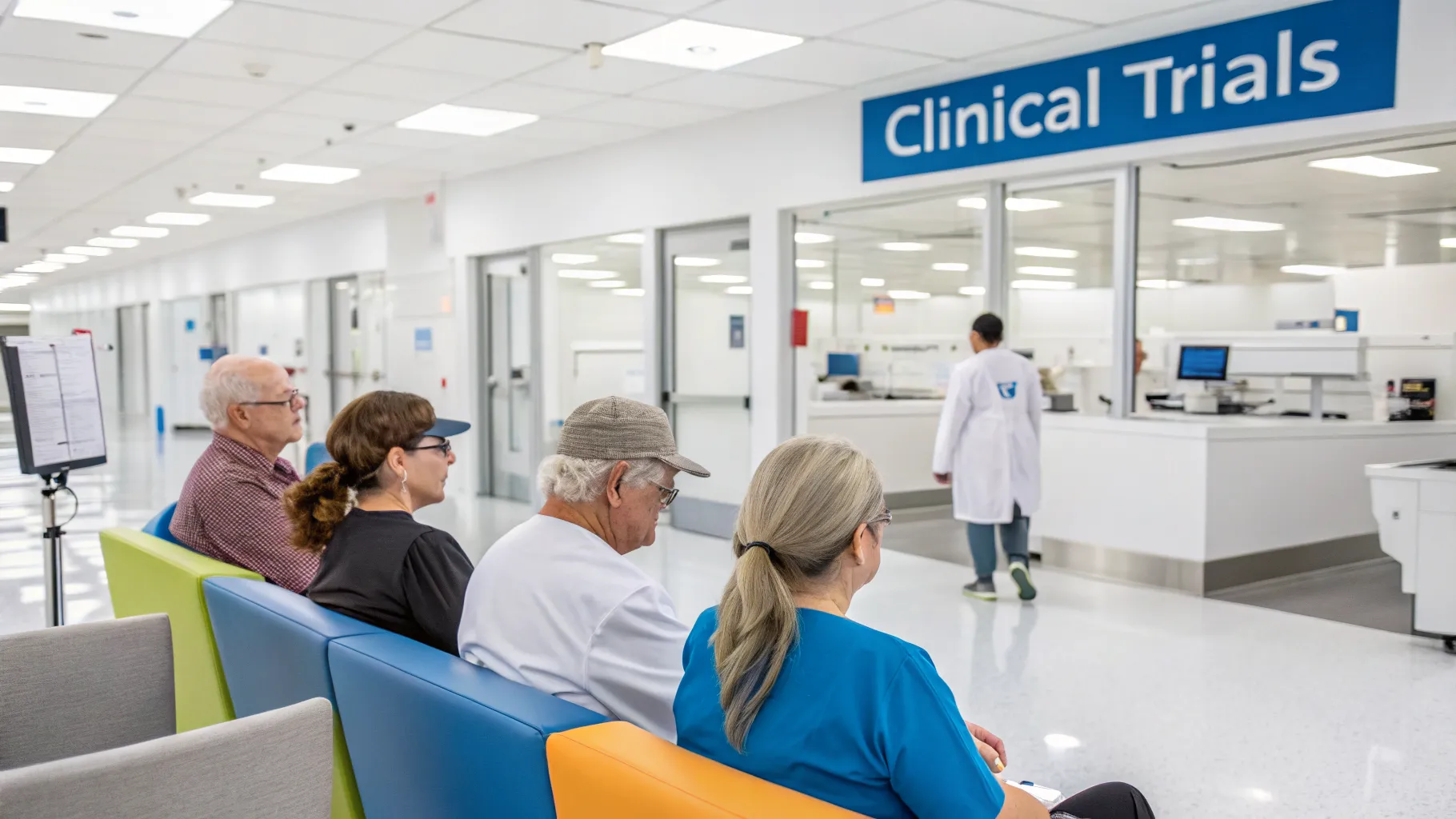
The Indispensable Role of Healthy Volunteers in Drug Development
The cornerstone of modern drug development relies heavily on the willingness of healthy volunteers to participate in early-phase clinical trials. These individuals, free from the specific conditions the drug aims to treat, provide essential baseline data on how a new compound behaves in the human body. This includes understanding its absorption, distribution, metabolism, and excretion (ADME profile), as well as identifying potential side effects at various dosages. Without the initial safety data gathered from healthy volunteers, advancing to trials with patient populations would be impossible, halting crucial pharmacological research in its tracks. Their involvement is a testament to their altruism, coupled with the benefit of participant compensation, enabling groundbreaking medical progress.
Navigating the Phases of Paid Pharmacological Trials
Paid pharmacological trials are typically structured into several phases, each with distinct objectives. For healthy volunteers, the primary focus is usually on Phase I clinical trials. In this initial phase, a small group of participants receives the investigational drug to evaluate its safety, determine a safe dosage range, and identify side effects. The goal is not to test efficacy but rather to understand how the drug interacts with the human body for the first time. Subsequent phases involve patient populations and compare the new drug to existing treatments or placebos. Understanding these phases helps healthy volunteers comprehend their vital role in the initial, foundational stages of drug development and pharmacological research, often benefiting from structured participant compensation.
Participant Compensation and Ethical Considerations
One significant aspect of paid pharmacological trials for healthy volunteers is the participant compensation provided. This compensation is not a payment for risk, but rather an acknowledgment of the time commitment, inconvenience, and potential travel expenses incurred by participants. Ethical guidelines strictly govern the amount and structure of compensation to ensure it is not unduly coercive, allowing participants to make truly informed decisions. Every trial involving healthy volunteers undergoes rigorous review by Independent Ethics Committees (IECs) or Institutional Review Boards (IRBs). These bodies ensure the trial protocol prioritizes participant safety, respects their rights, and adheres to strict ethical standards. Informed consent is paramount, meaning every healthy volunteers receives comprehensive information about the study's purpose, procedures, potential risks, and their right to withdraw at any time, without penalty, before engaging in any pharmacological research.
Screening Process and Eligibility for Clinical Trials
Before being accepted into paid pharmacological trials, prospective healthy volunteers undergo a thorough screening process designed to ensure their suitability and safety. This typically involves comprehensive medical examinations, blood tests, urine tests, electrocardiograms (ECGs), and a detailed review of their medical history. The criteria for eligibility are stringent, as researchers need to ensure that participants are indeed 'healthy' and that no pre-existing conditions could either be exacerbated by the investigational drug or interfere with the study's results. This meticulous screening protects the healthy volunteers and ensures the integrity of the pharmacological research data, contributing directly to reliable outcomes in drug development. Adherence to these strict guidelines is critical for the ethical conduct of clinical trials.
Tips for a Smooth Participation in Paid Pharmacological Trials
For healthy volunteers embarking on a pharmacological research journey, adhering to certain practices can significantly enhance your experience and ensure the smooth execution of the study. Your diligent participation is crucial for the success of drug development and the generation of reliable data. Here are some actionable tips to consider:
Thoroughly Review the Informed Consent Document:
Before committing to any clinical trials, dedicate ample time to read and understand every section of the informed consent document. This document details the study's purpose, procedures, potential risks, benefits, alternatives, and your rights as a healthy volunteer. Ask questions until you are completely clear on all aspects, including the details of participant compensation and the schedule.
Be Honest and Transparent During Screening:
Accuracy during the screening process is paramount. Provide honest and complete information about your medical history, current health status, and lifestyle choices. Any misrepresentation could compromise your safety or invalidate the study's results, potentially affecting future drug development efforts. Transparency ensures you are placed in appropriate pharmacological trials where risks are minimized.
Adhere Strictly to Study Instructions:
Once enrolled, it is critical to follow all instructions provided by the research team meticulously. This includes medication schedules, dietary restrictions, activity limitations, and attendance at all required appointments. Consistency in following protocols by healthy volunteers ensures the integrity of the data collected, which is vital for the scientific validity of the clinical trials.
Maintain Open Communication with the Research Team:
Promptly report any changes in your health, discomfort, or unexpected symptoms to the study staff. Even minor observations can be significant in pharmacological research. Open communication is a key safety measure, allowing the team to assess your well-being and make informed decisions about your continued participation in paid pharmacological trials.
Keep Personal Records:
Maintain your own records of appointment dates, medication logs (if applicable), and documentation related to your participant compensation. This helps you stay organized, ensures you meet all study requirements, and provides a personal reference for your involvement in the drug development process.
Benefits Beyond Compensation for Healthy Volunteers
While participant compensation is a significant incentive for many, participation in paid pharmacological trials for healthy volunteers offers numerous other benefits. Participants often receive comprehensive medical evaluations and health screenings that may not be available through routine check-ups, potentially identifying health issues early. More importantly, healthy volunteers play a direct, invaluable role in advancing medical science, contributing to the discovery and approval of new treatments that can save lives and improve health outcomes globally. This altruistic aspect provides a sense of purpose and a direct connection to the future of pharmacological research and drug development, making the experience profoundly rewarding beyond financial remuneration.
Frequently Asked Questions
What is the typical duration of paid pharmacological trials for healthy volunteers?
The duration of pharmacological trials for healthy volunteers varies widely, ranging from a few days to several weeks, sometimes involving outpatient follow-up visits. It depends on the drug being tested, the study design, and the number of doses administered. Detailed information about the commitment required will always be provided during the informed consent process before participation in any clinical trials begins.
Are there risks involved for healthy volunteers in drug development studies?
All clinical trials carry some level of risk, even for healthy volunteers. However, these risks are minimized through extensive preclinical testing, rigorous ethical review, and close medical supervision throughout the study. Potential side effects are thoroughly explained during informed consent. The safety of healthy volunteers is the paramount concern in all pharmacological research and drug development efforts.
How is participant compensation determined for pharmacological research?
Participant compensation for pharmacological research is determined based on the time commitment, the number of visits, any overnight stays, and procedures involved. It is designed to reimburse participants for their time and inconvenience, not to induce undue risk. Compensation amounts are reviewed and approved by an Independent Ethics Committee to ensure fairness and ethical standards are met in all paid pharmacological trials.
References
- Ethical Guidelines for Human Research
- Principles of Clinical Pharmacology and Drug Development
- Role of Healthy Volunteers in Early Phase Clinical Trials
- Regulatory Frameworks for Pharmaceutical Research
Authored by 24Trendz team