Understanding Osteoporosis Symptoms and Effective Treatments for Bone Health
Fast Facts:
- Osteoporosis affects millions globally.
- Proactive care is crucial for maintaining bone density.
Demystifying Osteoporosis: Key Symptoms and the Path to Stronger Bones
Osteoporosis, a condition characterized by weakened bones, often progresses silently, making it crucial to understand symptoms and treatments for osteoporosis. This degenerative disease significantly increases the risk of fragility fractures, particularly in the hip, spine, and wrist. Recognizing the early signs and understanding effective interventions are paramount for preserving bone health and improving quality of life.
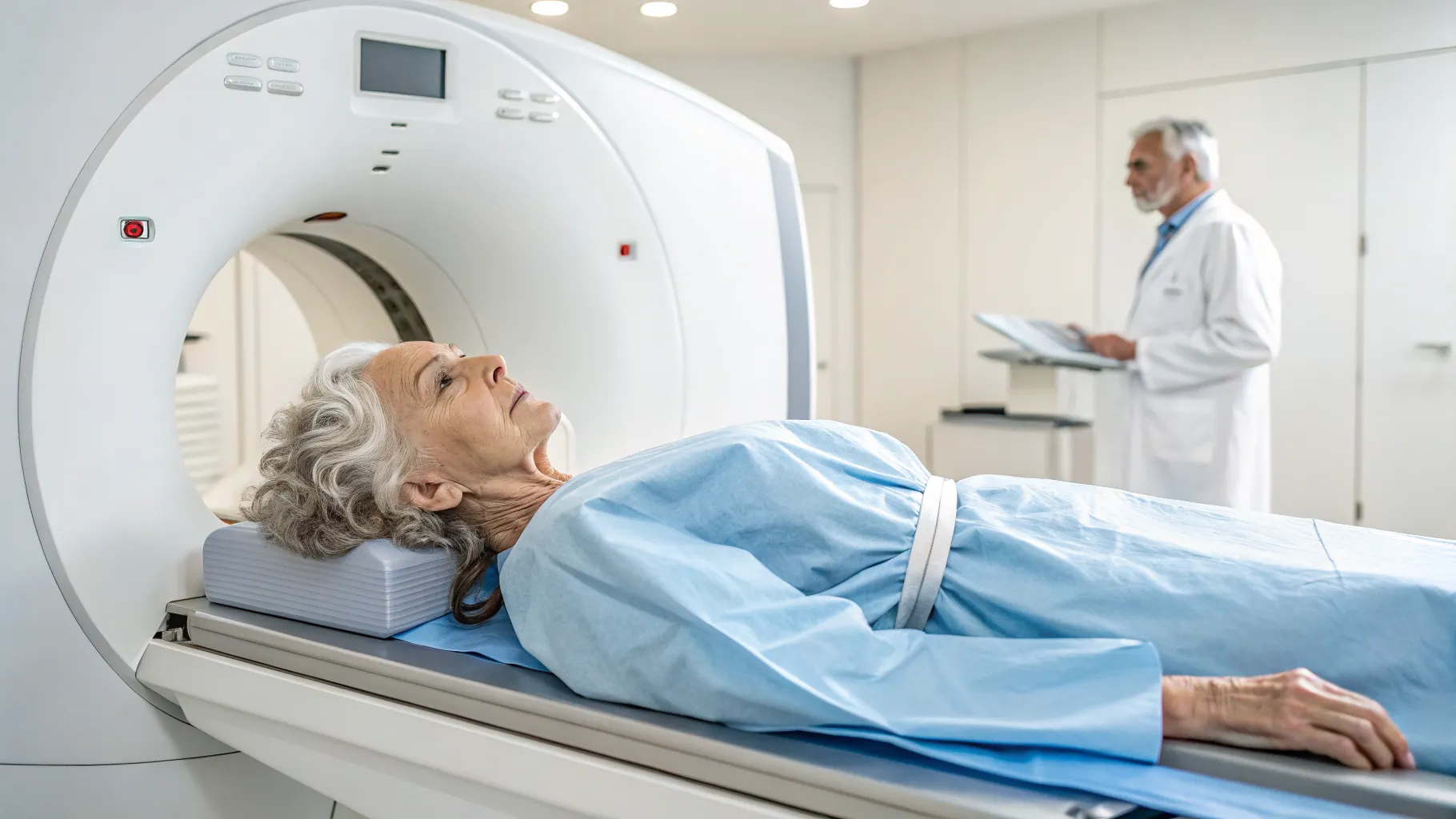
Identifying the Silent Threat: Key Osteoporosis Symptoms
Osteoporosis is often dubbed the 'silent disease' because many individuals don't realize they have it until a fracture occurs. However, there are subtle osteoporosis symptoms that, when recognized, can lead to earlier diagnosis and intervention. Understanding these signs is the first step in protecting your bone health.
Back Pain and Postural Changes
Persistent back pain, especially in the thoracic or lumbar regions, can be a significant indicator. This pain is often a result of vertebral compression fractures, where the vertebrae in the spine collapse due to weakened bone density. Over time, multiple compression fractures can lead to a stooped posture, commonly known as a 'dowager's hump,' causing a noticeable loss of height. This is a critical sign of advanced osteoporosis symptoms.
Loss of Height Over Time
A gradual decrease in height, often more than an inch or two, is another common osteoporosis symptom. This occurs as the vertebrae in the spine compress, losing their original height. Regular height measurements during medical check-ups can help track this change and prompt further investigation into bone density.
Fragility Fractures
Perhaps the most definitive of osteoporosis symptoms are fragility fractures. These are fractures that occur from a fall from standing height or less, or even from minor stresses that would not normally cause a bone to break. Common sites include the wrist (Colles' fracture), hip, and spine. A hip fracture, for instance, can lead to severe pain, disability, and a significant reduction in quality of life, highlighting the urgency of effective osteoporosis treatments.
Brittle Fingernails (Early Indicator)
While less definitive than fractures, some individuals report experiencing brittle fingernails as an early, albeit non-specific, indicator of poor bone health. This symptom, though not directly linked to low bone density in all cases, can sometimes coincide with other signs and warrant a discussion with a healthcare provider about potential osteoporosis symptoms.
Comprehensive Osteoporosis Treatments: Restoring Bone Health
Once diagnosed, a range of osteoporosis treatments are available, aiming to slow bone loss, increase bone density, prevent fractures, and manage pain. The choice of treatment depends on the severity of the condition, individual risk factors, and overall bone health.
Lifestyle Modifications
Fundamental to any osteoporosis treatment plan are lifestyle adjustments. This includes a diet rich in calcium and vitamin D, crucial for bone formation and mineral absorption. Weight-bearing exercises like walking, jogging, and strength training are vital for stimulating bone growth and improving muscle strength, thereby reducing fall risk. Avoiding smoking and excessive alcohol consumption also plays a significant role in preserving bone density.
Pharmacological Interventions
Various medications are central to osteoporosis treatments. Bisphosphonates (e.g., alendronate, risedronate) are commonly prescribed to slow bone breakdown. Other options include denosumab, a monoclonal antibody that inhibits bone resorption, and teriparatide, a parathyroid hormone analogue that stimulates new bone formation. Romosozumab is a newer agent that both increases bone formation and decreases bone resorption, offering a dual mechanism for improving bone density. These drugs are crucial in reducing the risk of fragility fractures.
Pain Management and Rehabilitation
For individuals experiencing pain from fragility fractures or vertebral compression fractures, pain management is a key component of osteoporosis treatments. This may involve pain medication, physical therapy to improve mobility and strength, and occupational therapy to adapt daily activities. Rehabilitation programs are tailored to help patients recover, prevent future falls, and maintain independence, addressing the holistic needs associated with osteoporosis symptoms.
Long-Term Strategies for Optimal Bone Density
Beyond initial osteoporosis treatments, a long-term strategy is essential for sustaining optimal bone density and preventing recurrence of osteoporosis symptoms. This involves ongoing monitoring and a proactive approach to bone health. Maintaining bone health is a lifelong commitment. Regular follow-ups with healthcare providers, including periodic bone density scans (DEXA scans), are vital to assess treatment effectiveness and adjust strategies as needed. Adherence to medication schedules and continued engagement in bone-strengthening exercises are critical. Nutritional counseling can ensure adequate intake of bone-supporting nutrients, while fall prevention programs can significantly reduce the risk of fragility fractures. Understanding the full spectrum of osteoporosis treatments ensures a better prognosis.
Comparing Treatment Approaches for Bone Health
When considering osteoporosis treatments, patients and their doctors often weigh the benefits and risks of different approaches. Lifestyle interventions provide a foundational strategy for bone health with minimal side effects, focusing on prevention and general well-being. Pharmacological treatments, while more aggressive, offer significant gains in bone density and fracture prevention, especially for those with higher risk or established disease. For instance, bisphosphonates are typically first-line due to their proven efficacy and long history, whereas anabolic agents like teriparatide are reserved for severe cases or those who haven't responded to other osteoporosis treatments. The choice depends on the individual's specific osteoporosis symptoms, risk profile for fragility fractures, and overall health status. A personalized approach is always recommended to achieve the best outcomes in managing osteoporosis symptoms and enhancing bone health.
Actionable Steps for Preventing Osteoporosis and Managing Symptoms
Taking proactive steps is crucial for both preventing the onset of osteoporosis and effectively managing existing osteoporosis symptoms. Here are actionable strategies to enhance your bone health:
- Ensure adequate calcium intake: Consume dairy products, leafy greens, and fortified foods. Aim for 1000-1200 mg daily through diet and supplements if necessary, as part of your osteoporosis treatments.
- Get sufficient Vitamin D: Spend time in sunlight or take supplements, as Vitamin D is vital for calcium absorption, directly impacting bone density.
- Engage in regular weight-bearing exercise: Activities like walking, jogging, dancing, and weightlifting strengthen bones and improve balance, reducing the risk of fragility fractures.
- Avoid smoking and excessive alcohol: Both can negatively impact bone density and increase the risk of developing osteoporosis symptoms.
- Discuss bone health with your doctor: Especially if you have risk factors (e.g., family history, certain medications), regular screenings and early discussions about osteoporosis treatments are key.
- Implement fall prevention strategies: Secure rugs, ensure good lighting, and use assistive devices if needed to prevent falls that can lead to fragility fractures.
Frequently Asked Questions
What are the earliest osteoporosis symptoms?
The earliest osteoporosis symptoms are often subtle and can include a gradual loss of height, unexplained back pain, or increasingly brittle fingernails. However, many people don't experience noticeable symptoms until a fragility fracture occurs. Regular check-ups and bone density screenings are crucial for early detection of low bone density.
Can osteoporosis be cured?
While there isn't a definitive cure for osteoporosis, current osteoporosis treatments can effectively manage the condition, significantly slow bone loss, increase bone density, and reduce the risk of future fragility fractures. The goal is to prevent the progression of bone weakening and improve overall bone health and quality of life.
Who is at risk for developing osteoporosis?
Risk factors for osteoporosis include being female, older age, a family history of the disease, low body weight, certain medical conditions (like thyroid disease or celiac disease), long-term use of certain medications (e.g., corticosteroids), and lifestyle factors such as smoking, excessive alcohol consumption, and low calcium/Vitamin D intake. Understanding these risks helps identify individuals who should prioritize monitoring for osteoporosis symptoms.
References
- National Osteoporosis Foundation. "Osteoporosis Fast Facts."
- World Health Organization. "Osteoporosis: A Global Public Health Problem."
- Mayo Clinic. "Osteoporosis: Symptoms & Causes."
- American Academy of Orthopaedic Surgeons. "Osteoporosis."
- International Osteoporosis Foundation. "What is Osteoporosis?"
Authored by 24Trendz team