Understanding Key Warning Symptoms of Heart Attacks
Facts:
- Recognizing early warning signs saves lives.
- Increased awareness of cardiac arrest prevention for at-risk individuals.
Unpacking the Critical Early Warning Signs of Heart Attacks
Understanding the early warning signs of heart attacks is paramount for timely intervention and improved outcomes. A heart attack, also known as a myocardial infarction, occurs when blood flow to a part of the heart is blocked, often by a blood clot. Without blood, heart muscle begins to die. Recognizing these crucial symptoms quickly can literally be the difference between life and death, enabling individuals to seek emergency medical attention before irreversible damage occurs. This comprehensive guide will detail the various manifestations of a heart attack, from common indicators to less obvious signals that are often overlooked, emphasizing the importance of immediate action for maintaining optimal heart health.
Common Manifestations of a Heart Attack
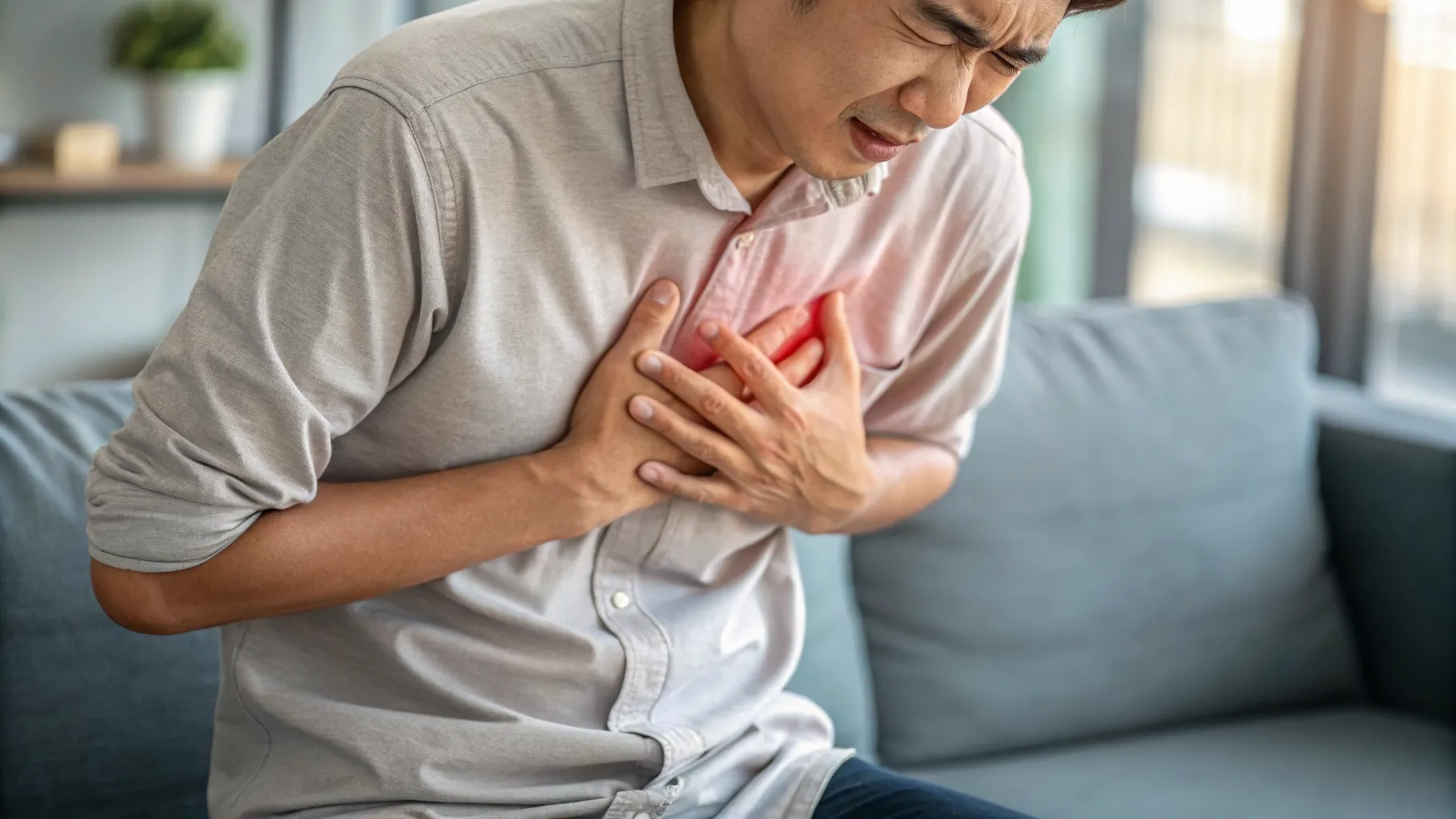
Chest Pain or Discomfort
The most widely recognized heart attack symptom is chest pain or discomfort. This isn't always a sharp, sudden pain, but can manifest as pressure, squeezing, fullness, or a dull ache in the center of the chest. It might last for more than a few minutes, or it might go away and come back. Patients often describe it as an uncomfortable pressure. It's crucial not to dismiss this feeling, even if it seems mild, as any prolonged or recurring chest discomfort warrants immediate medical evaluation to rule out a developing cardiac arrest or other serious cardiac event. The nature of the pain can vary significantly among individuals, but a consistent or worsening sensation should always be taken seriously, especially when accompanied by other symptoms, to ensure proper heart health.
Discomfort in Other Areas of the Upper Body
While chest pain is primary, heart attack symptoms can radiate to other parts of the upper body. This often includes pain or discomfort in one or both arms, the back, neck, jaw, or stomach. Arm pain, particularly in the left arm, is a classic sign, but discomfort can also occur in the right arm or both. Back pain may feel like pressure or a burning sensation. Jaw pain can be mistaken for a toothache, while neck pain can feel like stiffness. These referred pains happen because the heart's nerve pathways are connected to other nerves in the body, making it difficult for the brain to pinpoint the exact origin of the pain. Any unexplained discomfort in these areas, especially when combined with other early warning signs, should raise concern for a potential cardiac arrest.
Shortness of Breath
Another critical early warning sign is shortness of breath, or dyspnea. This can occur with or without chest pain. You might feel like you can't get enough air, or experience a gasping sensation. This happens because the heart is not pumping blood efficiently, leading to a buildup of fluid in the lungs, which then interferes with oxygen exchange. Shortness of breath can be particularly pronounced during physical activity, but it can also occur at rest. It's an often underestimated symptom, especially in women and older adults, who might attribute it to aging or a lack of fitness. Prompt recognition of unexplained shortness of breath as a potential heart attack symptom is vital for maintaining good heart health.
Cold Sweat, Nausea, or Lightheadedness
Many individuals experiencing a heart attack report ancillary symptoms such as breaking out in a cold sweat, feeling nauseous (sometimes leading to vomiting), or becoming lightheaded or dizzy. These non-specific symptoms are particularly common in women, who may not experience typical crushing chest pain. A sudden onset of unexplained sweating, a feeling of indigestion, or sudden dizziness that doesn't resolve quickly should be considered serious heart attack symptoms. These reactions are often due to the body's 'fight or flight' response to the stress on the heart, as well as reduced blood flow to the brain, highlighting the broad spectrum of early warning signs that demand attention for proper heart health.
Extreme Fatigue
Unusual or unexplained fatigue, particularly in the days or weeks leading up to a heart attack, can be an early warning sign. This isn't just typical tiredness from a busy day; it's a profound, persistent exhaustion that makes even simple tasks feel overwhelming. Women, in particular, often report this symptom. This fatigue can be a result of the heart working harder to pump blood due to narrowing arteries or other underlying issues. While fatigue can be caused by many factors, new-onset severe fatigue, especially when combined with other subtle heart attack symptoms, should prompt medical consultation. Paying attention to these subtle changes in your body can be crucial for identifying a potential cardiac event and maintaining overall heart health, potentially preventing a severe cardiac arrest.
Recognizing Atypical Heart Attack Symptoms
It is imperative to understand that heart attack symptoms can present atypically, especially in certain populations like women, diabetics, and older adults. These individuals may experience silent heart attacks with very mild or no noticeable symptoms, or present with non-classic signs such as extreme fatigue, indigestion, or jaw pain without the characteristic chest pain. Diabetics, for instance, might have nerve damage that prevents them from feeling the traditional pain signals. Therefore, a heightened awareness of a broader range of early warning signs is critical. Any unusual physical changes, persistent discomfort, or new sensations, particularly if there are existing risk factors for heart disease, should not be ignored. Prioritizing regular check-ups and open communication with healthcare providers about all symptoms, however minor they seem, is fundamental for proactive heart health management and preventing a full-blown cardiac arrest.
Immediate Action: What to Do During a Suspected Heart Attack
- Call Emergency Services Immediately: The absolute most crucial step if you suspect you or someone else is having a heart attack is to call 911 (or your local emergency number) without delay. Do not try to drive yourself to the hospital or have someone else drive you, as paramedics can begin life-saving treatment on the way and are equipped to handle any sudden complications like cardiac arrest.
- Stay Calm and Rest: While waiting for emergency help, try to remain as calm as possible and sit or lie down. Avoid any exertion, as this can put additional strain on your heart. Loosen any tight clothing around your neck or chest to make breathing easier and manage the heart attack symptoms.
- Chew Aspirin (If Advised and No Contraindications): If you are not allergic to aspirin and have not been told by a doctor not to take it, chewing a regular-strength aspirin (325 mg) can help thin the blood and improve blood flow to the heart, potentially reducing damage. Do not swallow it whole; chewing allows it to enter your bloodstream more quickly. Only do this if you are absolutely certain it is a heart attack and you don't have medical reasons to avoid aspirin, as part of managing early warning signs.
- Be Prepared to Provide Information: When paramedics arrive, be ready to tell them your symptoms, when they started, and any relevant medical history or medications you are taking. This information is vital for them to provide the most effective and timely care, improving the chances of a positive outcome for your heart health and addressing the specific heart attack symptoms you are experiencing.
Frequently Asked Questions
Can heart attack symptoms be different for men and women?
Yes, heart attack symptoms can vary between men and women. While both can experience classic chest pain, women are more likely to experience atypical symptoms such as shortness of breath, nausea/vomiting, extreme fatigue, back pain, or jaw pain without the intense chest pressure often reported by men. These subtle early warning signs can sometimes lead to delays in seeking medical attention for women, underscoring the importance of recognizing the full spectrum of potential indicators for optimal heart health.
What is the difference between a heart attack and cardiac arrest?
A heart attack occurs when blood flow to the heart muscle is blocked, often by a clot, leading to the death of heart tissue. The person is usually conscious and experiencing symptoms like chest pain. Cardiac arrest, on the other hand, is an electrical problem where the heart suddenly stops beating effectively, causing the person to lose consciousness and stop breathing. While a heart attack can sometimes trigger cardiac arrest, they are distinct conditions. Recognizing early warning signs of a heart attack can help prevent it from progressing to cardiac arrest, thus preserving heart health.
Should I wait for severe chest pain before calling 911 for heart attack symptoms?
Absolutely not. It is critical to call 911 immediately if you suspect you are experiencing heart attack symptoms, even if the chest pain is mild or the symptoms are vague. Delays in seeking emergency care can lead to more significant heart damage or even become life-threatening, potentially escalating to cardiac arrest. Trust your instincts; it is always better to get checked out than to wait and risk serious complications to your heart health, especially when dealing with potential early warning signs.
References
- American Heart Association. Warning Signs of a Heart Attack.
- Centers for Disease Control and Prevention. Heart Attack Symptoms.
- Mayo Clinic. Heart Attack.
Authored by 24Trendz team