Understanding Insulin Therapy Cost in the United States: A Comprehensive Guide
Facts:
- Insulin costs have soared by over 300% in the last decade, disproportionately affecting patients.
- Patient affordability remains a critical concern for effective diabetes management in the United States.
The Escalating Burden of Insulin Therapy Cost in the United States
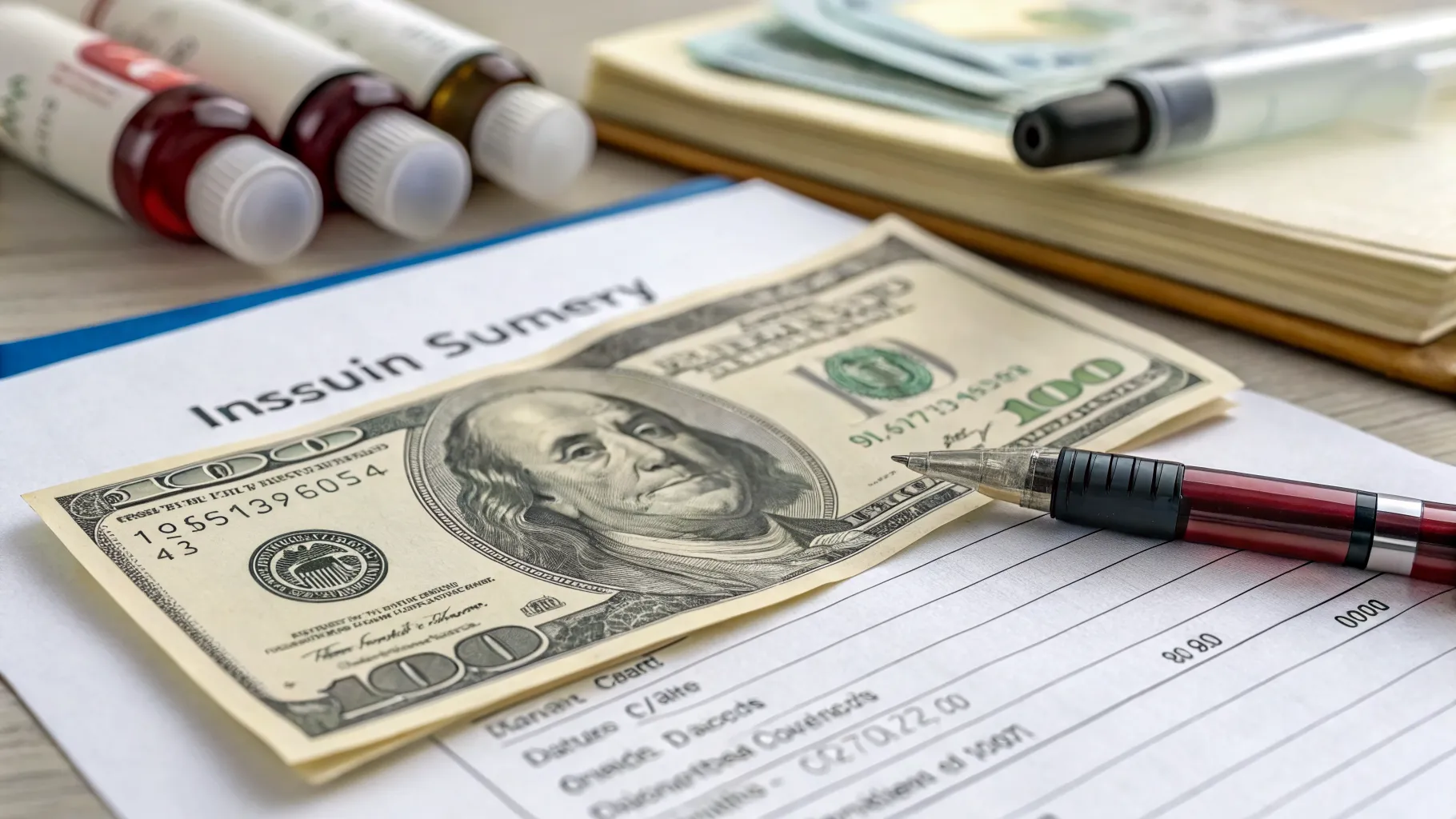
The rising **insulin therapy cost** in the United States has become a pressing healthcare crisis, directly impacting millions of individuals living with diabetes. Patients often grapple with exorbitant prices, leading to difficult choices between essential medication and other life necessities. This comprehensive guide delves into the intricate factors contributing to high **insulin pricing**, examines the profound effects on **patient affordability**, and explores various strategies and policy initiatives aimed at mitigating this significant financial burden. Understanding these dynamics is crucial for anyone navigating **diabetes management** in today's healthcare landscape.
Drivers Behind High Insulin Pricing
Several complex factors contribute to the steep **insulin costs** observed in the U.S., a stark contrast to prices in other developed nations. These drivers span pharmaceutical research and development, the opaque role of Pharmacy Benefit Managers (PBMs), and the long-standing issue of patent protection which limits generic competition, all contributing to the overall **healthcare expenses** for individuals.
Pharmaceutical Research and Development
Pharmaceutical companies often cite the high costs of research and development (R&D) for new insulin formulations and delivery systems as a primary justification for their **insulin pricing**. While innovation is vital for advancing **diabetes management**, critics argue that R&D expenditures do not fully account for the dramatic increases in list prices over time, especially for older, established insulin products where development costs have long been recouped.
Pharmacy Benefit Managers (PBMs) and Rebates
Pharmacy Benefit Managers (PBMs) play a significant, yet often opaque, role in the pharmaceutical supply chain. They negotiate rebates from manufacturers, ostensibly to lower costs for insurers and patients. However, this system can incentivize higher list prices, as larger rebates can be extracted from more expensive drugs. This complex interplay between manufacturers, PBMs, and insurers ultimately influences the final **insulin costs** faced by patients at the pharmacy counter, adding another layer to the rising **healthcare expenses**.
Patent Protection and Lack of Competition
Patent protection grants pharmaceutical companies exclusive rights to manufacture and sell their insulin products for extended periods. This exclusivity, combined with strategies like 'patent thickets' (filing numerous patents around a single product), effectively stifles the entry of lower-cost generic or biosimilar insulin products into the market. The lack of robust competition allows manufacturers to maintain high **insulin pricing**, perpetuating challenges in **patient affordability** for this essential medication.
Impact on Patient Affordability and Access
The profound economic impact of high **insulin costs** extends far beyond mere financial strain, directly affecting patients' health outcomes and quality of life. Many individuals find themselves in untenable situations, leading to dangerous practices and compromises in their **diabetes management** routines, further escalating **healthcare expenses** in the long run.
Underinsurance and High Deductibles
Even for those with health insurance, underinsurance and high deductible plans can render **insulin costs** prohibitively expensive. Patients often face significant out-of-pocket expenses before their coverage kicks in, forcing them to pay near-list prices for their insulin. This financial barrier can lead to delayed refills, missed doses, and ultimately, poorer health outcomes, making effective **diabetes management** incredibly challenging.
Rationing Insulin and Health Risks
A tragic consequence of unaffordable **insulin pricing** is the alarming rate at which patients resort to rationing their insulin. To stretch their supply, individuals may take less than prescribed, skip doses, or use expired insulin. This dangerous practice can lead to severe health complications, including diabetic ketoacidosis, organ damage, hospitalization, and even death, highlighting the critical urgency of addressing **patient affordability** for **insulin costs**.
Policy Responses and Initiatives for Cost Reduction
Recognizing the crisis, various stakeholders, including government bodies, patient advocacy groups, and some pharmaceutical companies, have initiated efforts to address the high **insulin therapy cost**. These responses aim to improve **patient affordability** and ensure access to life-saving medication for all who need it, tackling the growing **healthcare expenses** associated with diabetes.
State-Level Price Caps and Assistance Programs
Several U.S. states have taken legislative action to cap out-of-pocket **insulin costs** for insured individuals, typically limiting monthly expenses to a specific dollar amount. Additionally, many states offer patient assistance programs or Prescription Drug Assistance Programs (PDAPs) to help eligible residents manage their **diabetes management** and reduce their financial burden. These programs are crucial in bridging the gap for those struggling with **insulin pricing**.
Federal Efforts and Legislative Proposals
At the federal level, policymakers have introduced legislation aimed at increasing transparency in **insulin pricing**, promoting generic and biosimilar competition, and establishing national price caps. While progress has been made, particularly with some caps for Medicare recipients, comprehensive federal reform is still actively debated. Continued advocacy is essential to ensure that federal initiatives effectively lower **insulin costs** for all Americans, thereby improving **patient affordability**.
Navigating Diabetes Management and Financial Support
For individuals facing high **insulin costs**, proactive steps can be taken to explore available resources and financial assistance. Effective **diabetes management** involves not only medical adherence but also navigating the economic landscape of medication access. Here are some actionable strategies:
- Consult with Healthcare Providers: Discuss lower-cost insulin options, biosimilars, or alternative **diabetes management** strategies that might be covered more favorably by your insurance.
- Explore Patient Assistance Programs: Many pharmaceutical companies offer patient assistance programs (PAPs) that provide free or low-cost insulin to eligible patients based on income and insurance status. Investigate programs directly from manufacturers.
- Investigate Generics and Biosimilars: Ask your doctor if a generic or biosimilar insulin is appropriate for your treatment. These alternatives often come with significantly lower **insulin pricing** compared to branded versions, improving **patient affordability**.
- Utilize Prescription Discount Cards: Websites and apps offer discount cards that can reduce the cost of insulin, especially for uninsured or underinsured individuals. Compare prices across different pharmacies to find the best deal.
- Advocate and Engage: Support organizations that advocate for lower **insulin costs** and increased **patient affordability**. Your voice contributes to broader policy changes that can ultimately reduce **healthcare expenses** for everyone.
Frequently Asked Questions
Why is insulin so expensive in the United States compared to other countries?
The high **insulin costs** in the U.S. are primarily attributed to a complex interplay of factors including the lack of price negotiation power for government programs, the opaque role of Pharmacy Benefit Managers (PBMs) in rebate negotiations, extended patent protections that limit generic competition, and the overall structure of the U.S. pharmaceutical market, which differs significantly from other nations.
What options are available for patients struggling with high insulin costs?
Patients struggling with **insulin pricing** can explore several avenues for assistance. These include manufacturer patient assistance programs, state-level price cap initiatives, prescription discount cards, seeking out generic or biosimilar insulin options, and consulting with healthcare providers about alternative **diabetes management** strategies that may be more affordable. Advocacy groups also offer resources and support.
Does insurance cover insulin, and will that reduce my insulin therapy cost?
Most health insurance plans do cover insulin; however, the extent of coverage and the resulting out-of-pocket **insulin costs** can vary significantly based on your specific plan, deductible, and copay structure. High deductibles and limited formularies can still leave patients with substantial financial burdens, even with insurance, impacting overall **patient affordability** for **diabetes management**.
References
- The American Diabetes Association's positions on insulin affordability and access.
- Reports from federal agencies on prescription drug pricing trends in the United States.
- Independent analyses by healthcare policy think tanks on the pharmaceutical supply chain.
- Clinical guidelines for diabetes management emphasizing medication adherence despite cost.
Authored by 24Trendz team