Understanding In-Home Nurse Rates per Hour in the United States
Fast Facts:
- Average in-home nurse rates vary significantly by state.
- Demand for hourly home healthcare cost is projected to rise for aging populations.
Decoding the Variability of In-Home Nurse Rates Across the US
Navigating the complex landscape of healthcare costs can be daunting, especially when considering personalized care options such as in-home nursing. Understanding the nuances of in-home nurse rates per hour in the United States is crucial for families and individuals planning for long-term care. These rates are influenced by a multitude of factors, ranging from geographic location and the specific type of nursing required to the qualifications of the nurse and prevailing market conditions for hourly home healthcare cost. This guide aims to shed light on these critical elements, providing a comprehensive overview to help you make informed decisions about quality care in the comfort of your home.
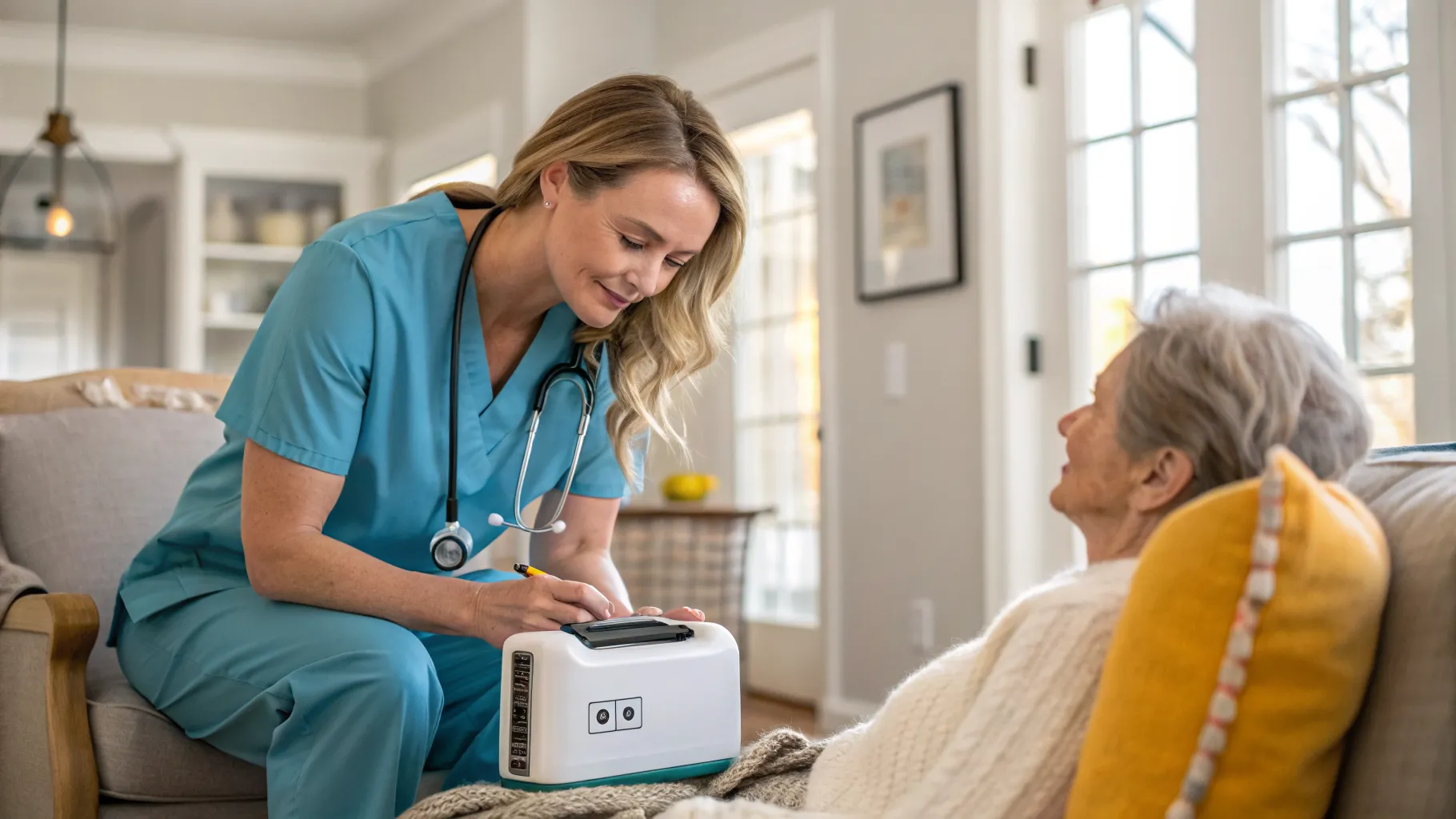
Factors Influencing In-Home Nurse Rates
Several critical elements contribute to the final in-home nurse rates charged per hour. Foremost among these is geographic location; urban centers and areas with a higher cost of living typically command higher rates compared to rural regions. The nurse's qualifications and experience also play a significant role; a Registered Nurse (RN) with specialized training or extensive experience will naturally have a higher home care nurse salary expectation than a Licensed Practical Nurse (LPN) or a Certified Nursing Assistant (CNA). Additionally, the specific type of care required, such as complex medical procedures versus basic personal care, directly impacts the hourly home healthcare cost. Demand for skilled nursing professionals in a given area can also drive up prices, especially in regions facing nursing shortages. The duration and frequency of care, whether it’s intermittent visits or continuous 24/7 support, will also influence the overall private duty nursing cost model.
Regional Variations in Hourly Home Healthcare Costs
The United States exhibits considerable disparities in hourly home healthcare cost across its various regions and states. Northeastern and Western states, particularly those with major metropolitan areas like New York, California, and Massachusetts, often report the highest in-home nurse rates. Conversely, some Southern and Midwestern states may offer more affordable nursing care at home prices. These regional differences are not solely due to the cost of living but also reflect the availability of nursing professionals, state-specific regulations regarding home healthcare, and varying insurance reimbursement rates. Understanding these geographical variations is vital when estimating the potential private duty nursing cost for a loved one. Consumers should research average rates in their specific locale rather than relying on national averages, which can often be misleading due to the wide range of data points. Local agencies and state health departments can provide valuable insights into typical rates for home care nurse salary in their respective areas.
Types of Nursing Care and Their Impact on Rates
The scope of services provided by an in-home nurse significantly affects the in-home nurse rates. Basic care, which might include medication reminders, companionship, or assistance with activities of daily living (ADLs), generally falls into a lower price bracket. However, when the care involves skilled medical services, the hourly home healthcare cost increases. This includes wound care, intravenous (IV) therapy, post-surgical recovery support, ventilator management, or specialized care for chronic conditions like diabetes or Parkinson's disease. Private duty nursing cost for these advanced services reflects the higher level of expertise, training, and responsibility required. Pediatric home nursing, which involves specialized care for children, can also command premium rates due to the specific skills and patient-centered approach needed. Each type of service demands a different qualification level, directly impacting the home care nurse salary and the overall expense to the client.
Navigating Payment Options for Home Care Nurses
Funding in-home nurse rates can be approached through several avenues, each with its own criteria and limitations. Private pay remains a common method, where individuals or families directly cover the hourly home healthcare cost out-of-pocket. Long-term care insurance policies are specifically designed to help offset these expenses, but it is critical to review policy details for coverage limits and waiting periods. Medicare typically covers only short-term, medically necessary skilled nursing care, not long-term custodial care, which can be a common misconception for those seeking continuous nursing care at home prices. Medicaid programs, while offering more extensive coverage for long-term care, have strict eligibility requirements based on income and assets. Veterans' benefits, through programs like Aid and Attendance, can also provide financial assistance for eligible veterans and their spouses. Exploring all available options and understanding their specific terms is crucial to managing the private duty nursing cost effectively and ensuring uninterrupted care.
Maximizing Value: Tips for Managing Private Duty Nursing Costs
Effectively managing private duty nursing cost while ensuring high-quality care requires careful planning and strategic decision-making. Firstly, accurately assessing the level of care needed can prevent overspending on services that aren't essential; for instance, determining if an RN, LPN, or CNA is most appropriate for the required tasks. Secondly, exploring different agencies and comparing their in-home nurse rates is crucial, as pricing can vary significantly. Some agencies may offer package deals or sliding scales based on the intensity or duration of care. Thirdly, considering a hybrid approach where family members provide some support alongside professional nursing can reduce the overall hourly home healthcare cost. Additionally, utilizing state-funded programs or non-profit organizations that offer subsidies or support services can significantly alleviate the financial burden. Being proactive in understanding contracts, potential hidden fees, and cancellation policies will ensure transparency and help in controlling the overall nursing care at home prices without compromising the quality of care received.
The Future Landscape of In-Home Nursing Care
The demand for in-home nurse rates is projected to continue its upward trajectory as the population ages and preferences shift towards receiving care in familiar environments. Technological advancements, such as telehealth and remote monitoring systems, are increasingly integrating with hourly home healthcare cost models, potentially offering more efficient and specialized care. These innovations could help manage private duty nursing cost by optimizing nurse schedules and reducing the need for constant on-site presence for certain conditions. Policy changes and increased funding for home and community-based services are also anticipated, which could influence home care nurse salary and improve access to care. As the healthcare landscape evolves, greater emphasis will likely be placed on preventive care and personalized treatment plans, further shaping the future of nursing care at home prices and the invaluable role of in-home nurses.
Frequently Asked Questions
What is the average in-home nurse rate per hour in the US?
While the national average median in-home nurse rate can hover around $55-$65 per hour, it is crucial to understand that this figure is a broad estimate. Actual rates are highly variable, influenced by geographical location, the nurse's qualifications, the complexity of care required, and whether the service is through an agency or an independent contractor. For highly specialized care or in high-cost-of-living areas, rates can easily exceed $80-$100 per hour, reflecting the premium for skilled private duty nursing cost.
Does insurance cover hourly home healthcare cost?
Coverage for hourly home healthcare cost varies significantly depending on the type of insurance. Medicare generally covers short-term, medically necessary skilled nursing care provided by a certified home health agency, but it does not typically cover long-term custodial care. Medicaid may offer more comprehensive coverage for long-term nursing care at home prices for eligible individuals with low income and assets. Private health insurance plans often have limited or no coverage for long-term home nursing. Long-term care insurance is specifically designed to cover these expenses, but policies vary greatly, so it is essential to review your specific plan details and understand what the specific home care nurse salary components are that are covered.
How can I find affordable in-home nurse rates without compromising quality?
Finding affordable in-home nurse rates while maintaining high standards of care involves several strategies. Start by thoroughly researching and comparing rates from multiple licensed home healthcare agencies in your local area. Inquire about any sliding scale fees, package deals, or assistance programs they might offer. Consider exploring state or local government programs, veteran benefits, or non-profit organizations that provide financial aid or subsidies for hourly home healthcare cost. Sometimes, a combination of professional nursing and family caregiver support can help manage the overall private duty nursing cost. Always verify credentials and references to ensure quality, regardless of the price point.
References
- National Association for Home Care & Hospice (NAHC)
- Bureau of Labor Statistics (BLS) Occupational Outlook Handbook
- Genworth Cost of Care Survey
Authored by 24Trendz team