Understanding Hypertension: Signs, Symptoms, and Effective Treatments
Hypertension, often referred to as high blood pressure, is a prevalent health concern that can lead to serious complications if not managed properly. Because it frequently has no obvious symptoms, many people are unaware they have it, underscoring the importance of regular check-ups and understanding the condition.
What is Hypertension?
Hypertension is a chronic medical condition in which the blood pressure in the arteries is persistently elevated. This consistent high pressure forces the heart to work harder to pump blood, which can, over time, damage blood vessels and vital organs throughout the body.
Blood pressure is measured as two numbers: systolic and diastolic. Systolic pressure, the top number, indicates the pressure in your arteries when your heart beats. Diastolic pressure, the bottom number, represents the pressure in your arteries when your heart rests between beats. Both numbers are crucial for an accurate diagnosis.
Common Signs and Symptoms
One of the most concerning aspects of hypertension is that it often presents with no noticeable symptoms, especially in its early stages. This lack of clear warning signs has earned it the nickname "the silent killer," as it can cause significant damage before an individual realizes there is a problem.
However, when blood pressure reaches dangerously high levels, some symptoms may emerge. These are often non-specific and can be mistaken for other conditions, but their appearance warrants immediate medical attention.
- Severe headaches
- Shortness of breath
- Nosebleeds
- Dizziness
- Chest pain
- Visual changes (blurred vision or double vision)
- Blood in the urine
- Pounding in the chest, neck, or ears
Understanding Blood Pressure Readings
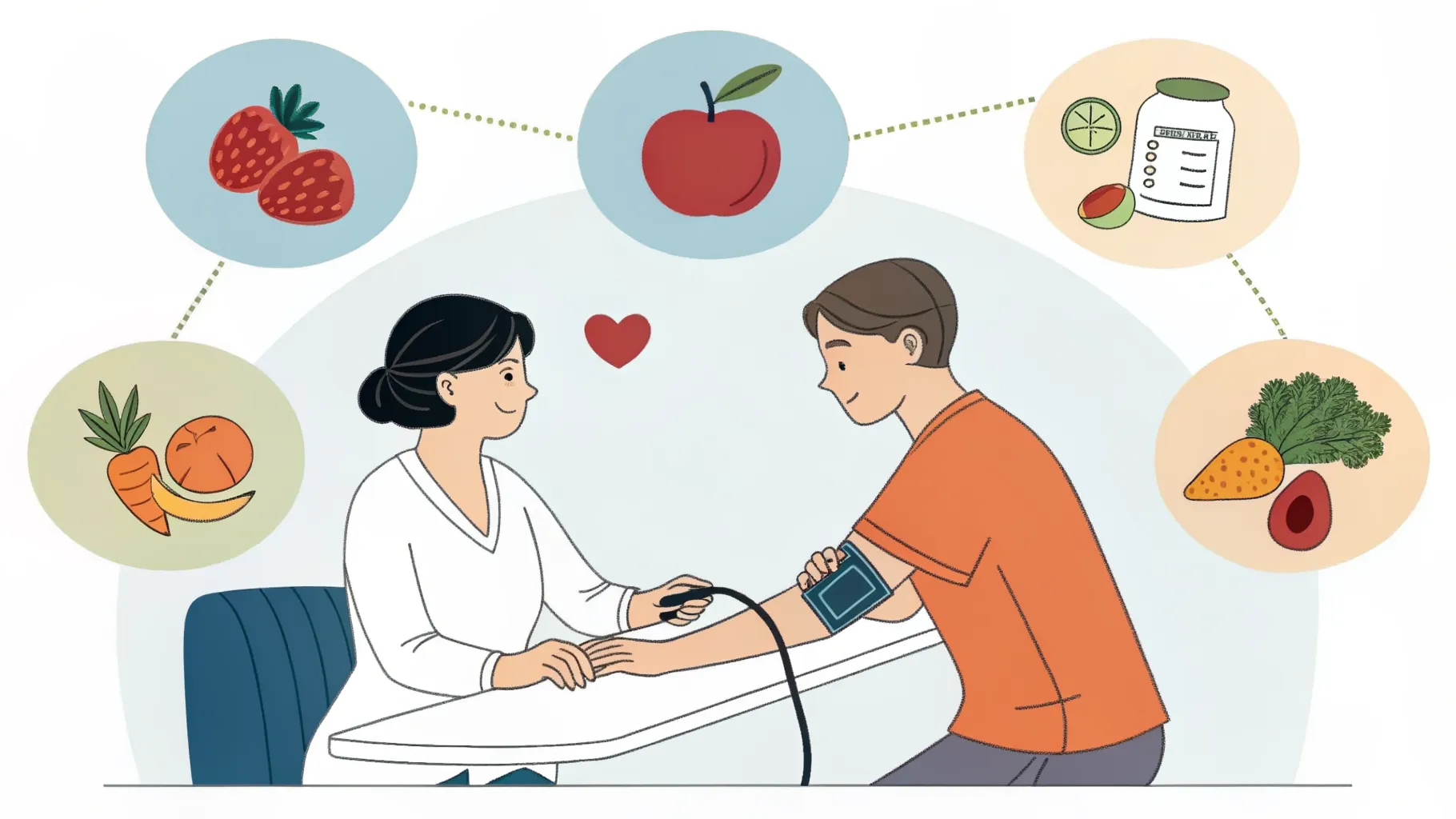
Regular monitoring is key to identifying and managing hypertension. Blood pressure readings are typically taken using an inflatable cuff placed around the arm, which measures the pressure in millimeters of mercury (mmHg).
Understanding what your numbers mean is vital for managing your health. Health organizations provide guidelines for different blood pressure categories:
- Normal: Less than 120/80 mmHg
- Elevated: Systolic between 120-129 mmHg and diastolic less than 80 mmHg
- Hypertension Stage 1: Systolic between 130-139 mmHg or diastolic between 80-89 mmHg
- Hypertension Stage 2: Systolic 140 mmHg or higher or diastolic 90 mmHg or higher
- Hypertensive Crisis: Systolic higher than 180 mmHg and/or diastolic higher than 120 mmHg (requires immediate medical attention)
Risk Factors for Hypertension
Many factors can contribute to the development of high blood pressure. These can broadly be categorized into modifiable risk factors, which individuals can influence, and non-modifiable risk factors, which are beyond personal control.
Recognizing and addressing modifiable risk factors is a crucial step in preventing or managing hypertension. While non-modifiable factors cannot be changed, being aware of them can emphasize the importance of vigilant monitoring and management.
- Non-Modifiable Factors:
- Age (risk increases with age)
- Family history (genetic predisposition)
- Race (more prevalent in certain ethnic groups)
- Modifiable Factors:
- Obesity or being overweight
- Physical inactivity
- Tobacco use
- High-sodium diet
- Excessive alcohol consumption
- Stress
- Certain chronic conditions (e.g., diabetes, kidney disease)
Lifestyle Changes for Management
For many individuals, especially those with elevated blood pressure or Stage 1 hypertension, lifestyle modifications are often the first line of treatment. These changes can significantly lower blood pressure and, in some cases, may even eliminate the need for medication.
Committing to these changes requires consistent effort but yields substantial health benefits beyond just blood pressure control, improving overall well-being and reducing the risk of other health issues.
- Dietary Adjustments: Adopting a heart-healthy eating plan, such as the DASH (Dietary Approaches to Stop Hypertension) diet, which emphasizes fruits, vegetables, whole grains, lean protein, and low-fat dairy, while reducing saturated and trans fats, cholesterol, and sodium.
- Regular Physical Activity: Aim for at least 150 minutes of moderate-intensity aerobic activity or 75 minutes of vigorous-intensity activity per week.
- Maintaining a Healthy Weight: Losing even a small amount of weight can have a significant impact on blood pressure.
- Limiting Alcohol Intake: Moderate alcohol consumption (up to one drink per day for women and two for men) may be acceptable, but excessive drinking can raise blood pressure.
- Quitting Smoking: Tobacco damages blood vessel walls and accelerates the hardening of arteries.
- Stress Management: Techniques like meditation, yoga, deep breathing exercises, and spending time in nature can help reduce stress levels.
Medical Treatments and Monitoring
When lifestyle changes alone are not sufficient to bring blood pressure to a healthy range, healthcare providers may prescribe medication. Various types of antihypertensive drugs are available, and the choice depends on an individual's specific health profile and other existing conditions.
It is important to adhere to the prescribed medication regimen and attend regular follow-up appointments with your doctor. Blood pressure monitoring, both at home and in a clinical setting, helps assess the effectiveness of treatment and allows for adjustments as needed. Never stop or change medication without consulting a healthcare professional.
Preventing Complications
Long-term, uncontrolled hypertension can lead to a host of serious health complications, significantly increasing the risk of life-threatening events. Effective management of blood pressure is therefore not just about controlling numbers but about safeguarding overall health and longevity.
By consistently managing hypertension through lifestyle changes and, if necessary, medication, individuals can drastically reduce their risk of these severe outcomes and maintain a better quality of life.
- Heart attack or stroke
- Aneurysm
- Heart failure
- Kidney disease or failure
- Vision loss
- Metabolic syndrome
- Dementia
Authored by 24Trendz team